
Kratom consumption has gained attention as a natural alternative for pain relief, but many people don’t realize how complex and risky it can be.
While some users use it for its health benefits, others experience serious complications, especially when underlying conditions are involved.
The adverse effects of kratom may include liver issues, dependency, and even kidney damage. Because it interacts differently based on your medical history, speaking with a healthcare professional before trying it is essential.
Whether you’re considering the use of kratom for yourself or a loved one, understanding the facts can help you make informed decisions about your overall health.

What Is Kratom and What Does It Do?
The scientific name of kratom is Mitragyna speciosa, which is a tropical evergreen tree that originates in Southeast Asia. It’s native to Myanmar, Malaysia, Thailand, and Indonesia.
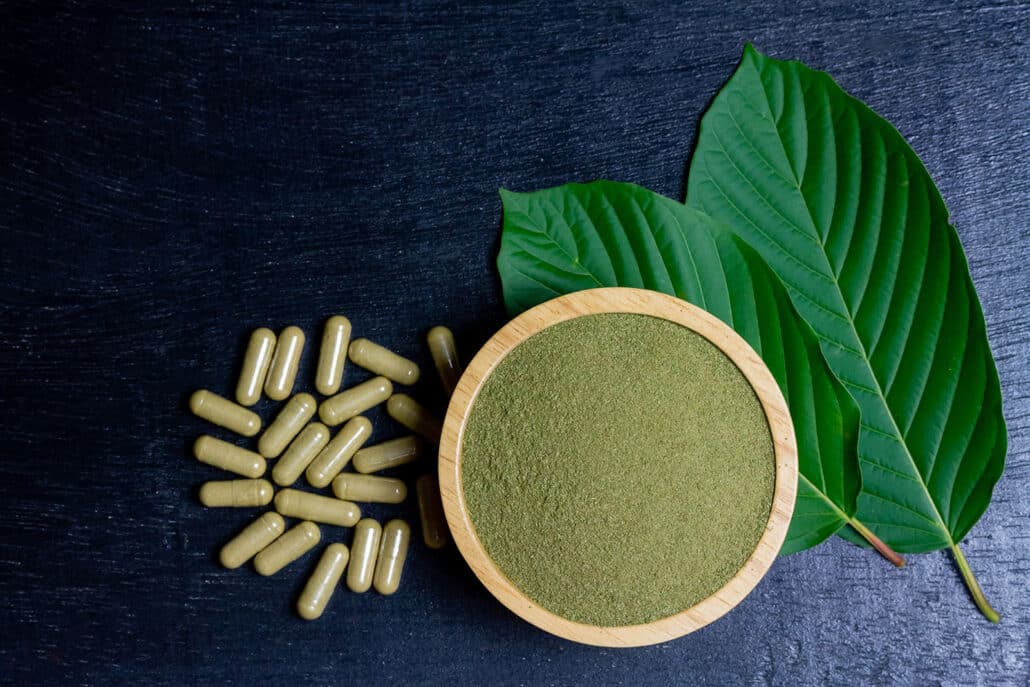
For centuries, the leaves of this tree have been used to relieve pain and give a boost of energy, and today, it’s mostly consumed as capsules and extracts.
Though kratom isn’t chemically an opioid, it interacts with opioid receptors in the brain because of its active ingredients, notably mitragynine and 7‑hydroxymitragynine. When used in low doses, it gives an energizing effect, and at higher doses, it can become sedating and pain-relieving.
People consume kratom for many reasons, including managing anxiety and chronic pain. However, no clinical trials have supported its efficiency or safety, and there’s a huge controversy around whether people should use it. Besides, it’s not approved as a treatment for any condition, so it’s not necessary to use it.
Does Kratom Cause Kidney Stones?
While some studies show possible links between chronic kratom use and worsening kidney function, they don’t prove a cause, so we don’t know for sure if the claim is true.
Here’s how kratom may affect the liver and kidneys: its alkaloids are processed by the liver, and metabolites are released through the kidneys. Naturally, this increases renal workload, and there isn’t a tangible benefit for the human body behind it.
On top of that, the drug may cause dehydration, which puts strain on the kidneys.
However, there’s no clinical data linking kratom directly to stone formation, so the matter is inconclusive. Still, it’d be wise to be conscious about using kratom if you have a history of kidney issues or stones.
Potential Risks of Using Kratom
The narrative around kratom mostly highlights its natural origin or benefits, but its risks actually outweigh the benefits. Besides, it hasn’t been proven to help treat any condition and isn’t used to treat anxiety, so it’s unnecessary to use it. Here are the risks of using kratom:
Gastrointestinal Effects
Consuming kratom orally has been linked to causing nausea, vomiting, and sometimes dry mouth. In some people, it also causes constipation and loss of appetite, which, in turn, leads to unhealthy weight loss.
Psychological Effects
At high doses, kratom can have serious neurological and psychological effects, like causing tremors and seizures. In some severe cases, it’ll cause confusion and hallucinations, and for some people, it only causes some dizziness and drowsiness.
Liver Issues
In some cases, consuming kratom regularly leads to liver injury, which manifests in the form of abdominal pain and elevated liver enzymes. It also may lead to hyperkalemia in the case of chronic or prolonged use.
Dependence
Using kratom regularly may cause dependence on it. That means you’ll likely have to go through withdrawal symptoms to stop using it.
With drugs like kratom, withdrawal symptoms often include muscle aches, insomnia, and irritability, so it shouldn’t be stopped abruptly.
What the FDA Says About Kratom
The Food and Drug Administration hasn’t approved kratom for any medical use. In fact, they issued an import alert banning unexamined kratom products from entering the US. On top of that, the agency concluded that at least 44 deaths were linked to kratom-related products and stated that there is no evidence that kratom is safe or useful for treating any medical condition.
Naturally, that means it’s better to avoid kratom at all costs since it’s on the ban list.
Despite the ban, some manufacturers still use kratom in their products and market it as a herbal product, so it’s important to keep an eye out for such products and avoid them.
Can Kratom Be Used as a Dietary Supplement?
Legally, no, kratom can’t be used as a dietary or herbal supplement. Though it’s often marketed as a natural supplement, it lacks safety and efficiency proof. The FDA has stated more than once that kratom shouldn’t be used as a dietary supplement, and it’s on the ban list, which means it doesn’t undergo quality controls or have consistent dosing.
That’s why you should avoid products with kratom in them. Despite the false marketing, the drug shouldn’t be used like herbal products due to the lack of conclusive research about it.

Special Precautions About Kratom’s Side Effects
While everyone should avoid using kratom for obvious reasons, some people are at higher risk of its side effects. Here’s why:
Pregnant or Breastfeeding Women
Pregnant women are typically more conscious of any products they use because infants are sensitive to many ingredients. Naturally, kratom is one of them. Some cases of neonatal abstinence syndrome have been reported in infants exposed to kratom during pregnancy.
Aside from that, kratom lacks enough research to verify its use for pregnant women. The effects it can have on infants are unknown, and it may affect fetal development and lactation negatively.
To be on the safe side, it’s better to avoid using the drug while you’re pregnant or breastfeeding.
Epilepsy Patients
If you have a history of seizures or a condition like epilepsy, kratom could increase your risk of experiencing tremors or seizures. Several case reports have linked kratom to neurological side effects, especially at high doses. If you’re already on anti-seizure medication, combining it with kratom may lead to unexpected interactions, which can be dangerous.
People With Liver Disease and Kidney Issues
Anyone with liver disease should also proceed with caution. Some kratom users have developed liver issues such as jaundice and elevated liver enzymes within just a few weeks of starting it. If your liver is already compromised, kratom could put additional strain on your system and potentially worsen your condition.
There are also concerns when it comes to kidney health. While studies are still limited, some chronic users have reported dehydration, kidney pain, and even kidney failure. If you have a history of kidney stones or existing renal problems, it’s better to steer clear unless you’re under medical supervision.
Heavy Alcohol Drinkers
Kratom poses risks to people struggling with alcohol use or recovering from substance dependence. Many of the serious health complications associated with kratom, including deaths, have involved people who were also using alcohol or other drugs. It can also interfere with addiction treatment.
Combining substances can add to the side effects and lead to unpredictable consequences, especially when the contents of kratom products are not always clearly labeled, which is mostly the case.
People With Heart Disease
People with heart conditions should be wary of a lot of things because drug interactions can be fatal. Since kratom raises blood pressure and heart rate, it’s best avoided for heart patients. If your heart health is already a concern, kratom isn’t something you’d want to try.
People With Mental Health Conditions
Since kratom has sedative effects, it can complicate things for people with mental health conditions like anxiety and depression. In some cases of heavy kratom use, it’s caused hallucinations, paranoia, and psychotic symptoms. So, if you live with a mental health condition or take psychiatric medication, it’d be a good idea to talk to your healthcare provider before trying the drug.

Frequently Asked Questions
Is kratom addictive like opioids?
Could kratom help me with opioid withdrawal?
How should kratom be dosed for safe use?
Should I use kratom if I already have kidney stones?
If kratom isn’t FDA-approved, is it legal?
Final Thoughts
The growing popularity of kratom has sparked curiosity, but it also highlights the need for caution and further research. It’s not enough to assume natural means safe, especially if you’re managing kidney disease, heart problems, or mental health conditions.
The use of kratom might offer relief to some, but it’s not without risks. Always consider your medical history and talk to a professional before trying it, especially if you have pre-existing kidney conditions.
Written by: The Long Island Interventions Editorial Team
Published on: July 31, 2025
Updated on: February 7, 2026