Mental illness is more common than most people realize. The NIH reports that over 59 million U.S. adults, roughly 23% of the population, are living with a mental illness.
For some, that condition exists alongside a substance use disorder (SUD). When both occur together, it’s called a dual diagnosis, or co-occurring disorder. It affects the person suffering and everyone who loves them.
Fortunately, the right treatment addresses both at once.

How Common Is Dual Diagnosis?
Co-occurring disorders are far more common than most families expect. Research shows that roughly half of people with a substance use disorder also have a mental health condition, and vice versa.
Yet many people go years without an accurate diagnosis. Why? Because the symptoms often overlap. For instance, anxiety can look like withdrawal. Depression can mask itself as addiction.
When only one condition gets treated, the other keeps driving the cycle. As such, real recovery requires identifying both.
Which Mental Health Conditions Appear Most Often?
Several mental health conditions commonly appear alongside substance use disorders. Some of the most frequently diagnosed include:
- Depression: Persistent low mood, hopelessness, and loss of motivation often push people toward substances as a way to cope.
- Anxiety disorders: Alcohol and sedatives are commonly misused to quiet racing thoughts or panic.
- PTSD: Trauma survivors frequently turn to substances to numb flashbacks and emotional pain.
- Bipolar disorder: Substances are often used to manage extreme mood swings, both highs and lows.
- Schizophrenia and psychotic disorders: People experiencing psychosis may use substances to self-medicate distressing symptoms.
The pattern across all of the above is the same:
A person feels overwhelmed by their mental health symptoms. Substances then offer temporary relief from the pain. Over time, that relief becomes a dependency, and the original condition gets worse.
Which Substances Are Most Commonly Involved?
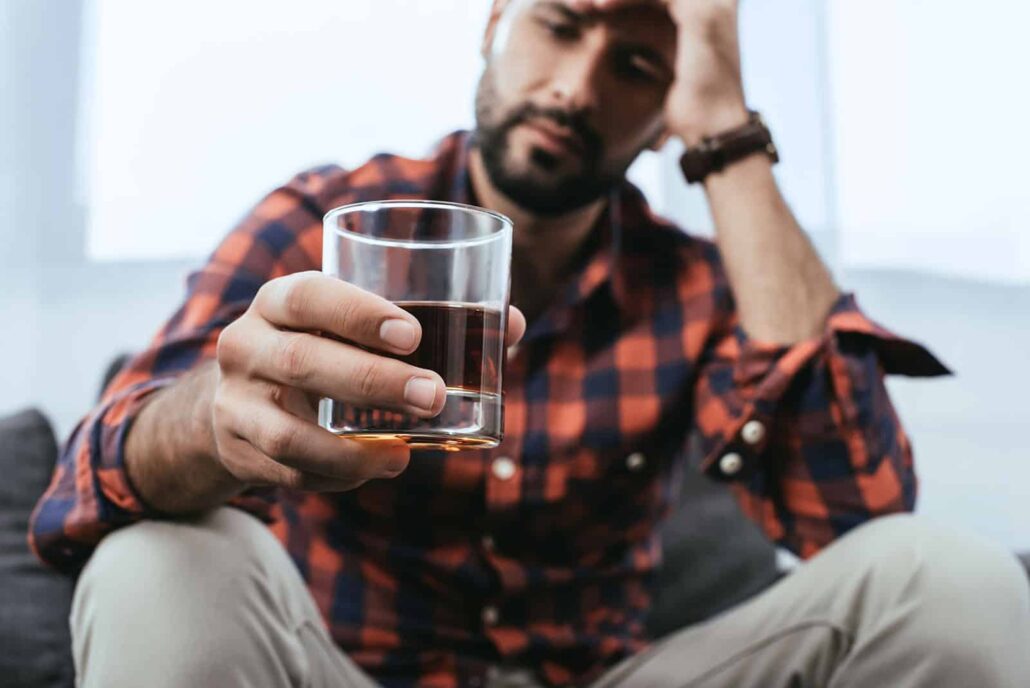
Substance use disorders can involve almost any drug or alcohol. But certain substances appear far more often in dual diagnosis cases than others. Those are:
Alcohol
Alcohol is the most widely misused substance among people with mental health conditions. It’s accessible, socially accepted, and works quickly to dull emotional pain.
The problem is that alcohol is a depressant. Gradually, it worsens the very conditions people are trying to escape.
Opioids
It’s no secret that Long Island has been hit hard by the opioid crisis. Prescription painkillers and illicit fentanyl remain a serious concern across Nassau and Suffolk Counties.
People dealing with untreated depression, anxiety, or trauma are especially vulnerable to opioid dependency.
Benzodiazepines
Benzos are often prescribed for anxiety and panic disorders. When misused or combined with other substances, they carry a high risk of dependency, and withdrawal can be dangerous without medical supervision.
Stimulants
Cocaine and prescription stimulants are frequently misused by people managing ADHD, depression, or low energy. The short-term boost comes at a steep cost to mental stability over time.
Cannabis
Cannabis use is increasingly common, and its relationship with mental health is complex. Heavy use has been linked to increased anxiety, paranoia, and, in some cases, psychotic episodes, particularly in people with a predisposition to mental illness.
Substance Misuse on Long Island
According to the New York State Comptroller’s Office, opioid-related overdose deaths in New York increased by 68% between 2019 and 2021, reaching nearly 5,000 fatalities.
By 2021, opioids accounted for 85% of all drug overdose deaths in the state, with illicit fentanyl driving much of that increase.
Meanwhile, Suffolk County had 1,300 opioid outpatient treatment beds, while Nassau had 675, and Queens had 1,625, according to OASAS provider data.

Why Dual Diagnosis Treatment Must Address Both Conditions at Once
Most people with a dual diagnosis didn’t set out to develop an addiction. They were initially struggling with something painful (whether that was anxiety, trauma, depression, or something else entirely), and substances offered relief.
That’s what’s known as a self-medication cycle. It’s not a character flaw on their behalf. It’s simply a predictable response to untreated pain.
What’s the Problem With Treating Only One Condition?
When treatment focuses on addiction alone, the underlying mental health condition doesn’t go away.
For example, cravings intensify. Emotional distress returns without the substance to quiet it. Relapse becomes almost inevitable, not because the person failed, but because half the problem was left unaddressed.
The same is true in reverse. Treating only the mental health condition while ignoring substance use rarely produces lasting results.
That’s because active substance use interferes with therapy and disrupts medication effectiveness. It also keeps the brain in a state that makes genuine healing difficult.
How Integrated Treatment Changes the Outcome
Integrated dual-diagnosis treatment means both conditions are assessed, diagnosed, and treated simultaneously by a coordinated team.
Research consistently shows this approach produces better outcomes than treating each condition separately. That translates into fewer relapses, better mental health stability, and stronger long-term recovery.
For families on Long Island watching someone they love struggle, understanding this treatment is important. Getting a loved one into the right program, one that accounts for the full picture, is what makes the difference.

What Dual Diagnosis Treatment Looks Like
No two dual diagnosis cases are identical. That’s why effective treatment isn’t one-size-fits-all.
It’s built around the individual, their specific mental health condition, their substance use history, and their personal circumstances.
That said, most integrated treatment programs draw from a core set of approaches. Those typically include:
Medication-Assisted Treatment (MAT)
Sometimes the brain needs medical support to stabilize. MAT uses FDA-approved medications to reduce withdrawal symptoms, manage cravings, and address underlying psychiatric conditions.
For someone dealing with opioid dependency alongside depression, for instance, MAT can create the stability needed for therapy actually to take hold. Don’t view it as a shortcut, but rather as a necessary foundation for later treatment.
Behavioral Therapies
This is when most of the deep work happens. Several evidence-based therapies are commonly used in dual diagnosis treatment. Usually, those are:
- Cognitive Behavioral Therapy (CBT) helps patients identify thought patterns that drive both substance use and mental health symptoms.
- Dialectical Behavioral Therapy (DBT) isparticularly effective for emotional dysregulation, self-harm, and borderline personality disorder alongside addiction.
- Trauma-Informed Careaddresses the root experiences that often sit underneath both conditions, especially for those with PTSD.
Support Groups and Peer Recovery
Therapy and medication address the clinical side. Alternatively, support groups address something equally important: connection.
Groups, such as SMART Recovery and Dual Recovery Anonymous, give people a sense of community with others who understand what they’re going through. That sense of belonging plays a real role in sustaining recovery.
Different Levels of Care
Dual diagnosis treatment isn’t always a residential program. It spans a full continuum depending on the severity of someone’s needs:
- Medical detox: The first step for many, ensuring withdrawal is managed safely.
- Residential treatment: Intensive, round-the-clock care for those who need a structured environment.
- Partial Hospitalization Programs (PHP): Full days of treatment without overnight stays.
- Intensive Outpatient Programs (IOP): Several hours of treatment per week, allowing people to maintain some daily responsibilities.
- Standard outpatient: Ongoing therapy and check-ins as someone transitions back to everyday life.
Note: The right level of care depends entirely on the individual. A proper assessment at the start of treatment helps determine where someone should enter the continuum and how they should move through it.

Finding Dual Diagnosis Treatment on Long Island
Knowing you need help is one thing. Finding the right help is another.
Fortunately, Long Island has a range of dual diagnosis treatment options, but navigating the system alone is overwhelming, especially when you’re in crisis.
Nassau and Suffolk Counties
Both Nassau and Suffolk Counties have NY OASAS-licensed treatment providers offering integrated mental health and addiction care.
Why does OASAS licensing matter? Because it means a program has met New York State’s standards for clinical quality, staff credentials, and patient safety.
Remember: This is the baseline you should always look for when evaluating a program for yourself or a loved one.
Queens
For families living in western Long Island or with ties to the boroughs, Queens offers additional access to OASAS-licensed dual-diagnosis programs.
Sure, proximity isn’t the only factor in choosing a program. However, it matters for family involvement and aftercare planning. So, keep that in mind.
How Long Island Interventions Helps
Long Island Interventions works with families across Nassau, Suffolk, and Queens to cut through the confusion. We connect families to vetted, OASAS-aligned treatment partners who specialize in co-occurring disorders.
In other words, you don’t have to research every program, make every call, or figure it out alone. That’s what we’re here for.

What to Look for in a Dual Diagnosis Treatment Program
Not every treatment program is equipped to handle co-occurring disorders. Some facilities treat addiction well but lack the clinical infrastructure for mental health care. Others focus on psychiatry but have limited experience with substance use.
As such, knowing what to look for helps families of those struggling make a more informed decision.
1. Integrated Care Under One Roof
Integration is the most important thing to watch out for. Mental health treatment and addiction treatment should be delivered together by a coordinated team. If a program refers you elsewhere for the psychiatric component, look elsewhere.
2. Licensed and Credentialed Staff
Look for programs staffed by licensed clinicians with specific experience in dual diagnosis. This includes psychiatrists, licensed clinical social workers, and certified addiction counselors.
In New York, OASAS-licensed programs are required to meet staffing standards that provide a useful baseline.
3. Individualized Treatment Planning
A good program doesn’t apply the same template to every patient. Assessment should be thorough, covering mental health history, substance use history, trauma, and personal circumstances. So, the treatment plan that follows should reflect all of it.
4. Aftercare and Continuing Support
Recovery doesn’t end when a program does.
Look for providers that build aftercare into the plan from the beginning. That might include step-down care, outpatient therapy, peer support referrals, or family counseling.
In other words, a program that doesn’t think beyond discharge isn’t thinking far enough ahead.

When a family is dealing with a dual diagnosis, the last thing they need is more confusion.
Between understanding treatment options, verifying insurance, and finding a program that actually treats both conditions, the process can feel impossible before it even begins.
Here’s where we can help. LII works with families across Nassau, Suffolk, and Queens to connect them with vetted treatment partners who specialize in co-occurring disorders. Our interventionists are board-certified, licensed, and experienced in guiding families.
If someone you love is struggling with a dual diagnosis, reach out to our team today. Call us or contact us online to speak with a specialist who can help you find the right path forward.
Dual diagnosis programs are not directly offered by Long Island Interventions. However, we do recognize that this type of addiction treatment is often necessary and vital to one’s long-term recovery from substance abuse. If you or a loved one require any services that we do not offer, we would be glad to refer you to one of our trusted affiliate providers.