
In 2023, fentanyl deaths reached a record high of 72,776 reported fatalities. These are deaths, as defined by the Centers for Disease Control and Prevention (CDC), such as accidents, suicides, and homicides, that involved synthetic opioids.
The figures dropped significantly from 2023 to most of 2025, plummeting in all 45 states. The trend, which spanned over two years, marked the longest historic drop in overdose deaths in the country in decades.
However, new CDC data indicate that the decline is slowing, and we may be expecting yet another surge of the public health epidemic.
Watching a family member or a friend struggle with an opioid use disorder (OUD) can be painful. But sometimes, all it takes is someone to help them recognize the problem and encourage them to seek treatment.
A planned intervention is one of the first steps you can take to guide an individual suffering from a substance use disorder towards a drug-free life.
If you’re considering staging an intervention for someone, below are evidence-based strategies you can use, along with available treatment options. We’ll also share practical tips during an intervention and the best time to step in.
How Dangerous Is Fentanyl? Why Early Intervention Matters
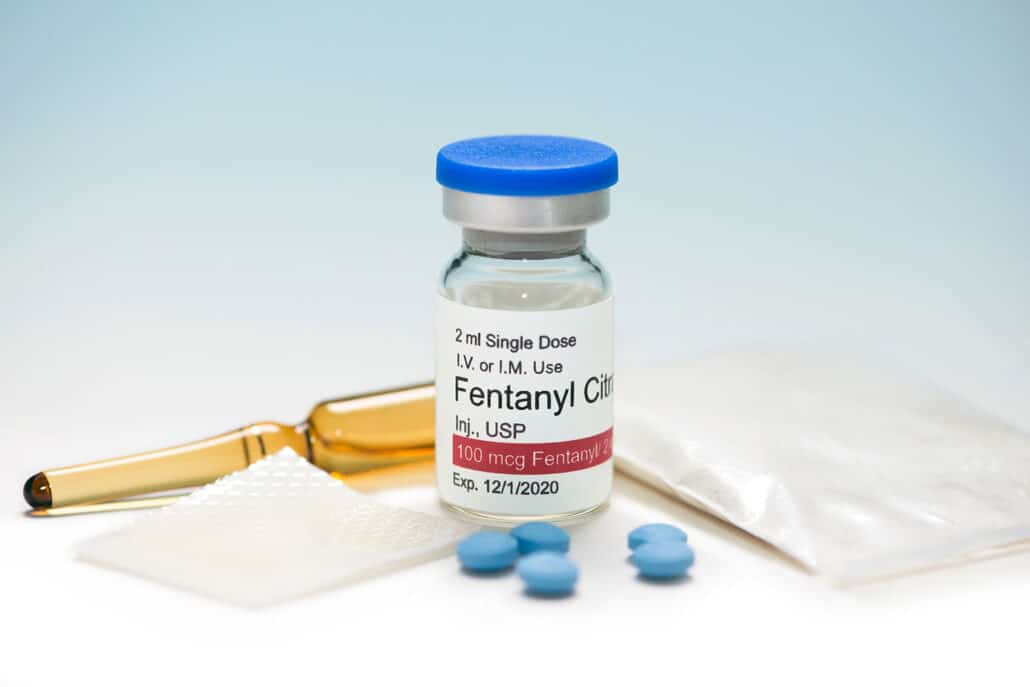
As a synthetic opioid, fentanyl is incredibly dangerous, especially when compared to other illegal opiates. It’s 100 times more potent than morphine, and about 50 times stronger than heroin.
Under the Controlled Substances Act, the Drug Enforcement Administration (DEA) classifies fentanyl as a Schedule II controlled substance, recognizing its increased potential for abuse and dependence.
Even a tiny dose of the substance can be fatal. Young people, those diagnosed with concurrent diseases, and individuals who engage in simultaneous drug use (e.g., alcohol and prescription drugs) are particularly vulnerable.
The National Institute on Drug Abuse (NIDA) noted that as little as 2 mg of the opioid can lead to an overdose.
The synthetic opioid is frequently mixed illegally with other illicit drugs, including cocaine, heroin, and methamphetamine. This is done to enhance their effects—often without the user’s knowledge.
DEA reports that 5 in 10 fake prescription pills have been laced with a deadly amount of illicitly manufactured fentanyl. Fentanyl test strips help identify them.
In addition to its high potency, the drug’s immediate impact on the user’s physical and mental health is another major concern.
Studies found a strong link between fentanyl abuse and severe mental health disorders, including depression, suicidal ideation, and anxiety. Combined with withdrawal symptoms, these risks can quickly become life-threatening.
Stepping in early before fentanyl and opioid addiction spiral out of control can make a world of difference.

Fentanyl Drug Overdose Prevention
The risk of overdose with fentanyl is high. Recognizing the signs can mean life or death for someone experiencing an opioid overdose. The overdosing individual may exhibit several symptoms, such as the following:
- Loss of consciousness
- Constricted pupils
- Cold, clammy skin
- Blue lips
- Choking sounds
- Respiratory depression
If you notice any of these in someone you know who is actively abusing opioids, promptly call 911 or the local healthcare professionals.
While certainly a life-threatening emergency, death from a fentanyl overdose is preventable when given immediate medical attention. First responders will administer naloxone, which works by rapidly reversing the effects of an overdose.
Intervention and Prevention Strategies For Fentanyl Use
An intervention is a planned conversation between the person struggling with addiction and their concerned friends or relatives. The goal is to help the individual recognize the problem and urge them to receive treatment.
Staging an intervention starts by getting help. A professional interventionist, social worker, or physician with experience in treating SUD can increase the likelihood of success.
With structured planning and expert guidance, you can prevent conflict and violence during emotionally charged dialogues. Interventionists can also help you choose the best treatment program and approach.
Here are some strategies that may work for your situation:
Brief Intervention
This form of intervention is a short-term, structured, and one-on-one conversation between the individual suffering from a drug use problem and a medical professional.
A single BI session takes anywhere from 5 to 40 minutes.
The objective of the meeting is to raise someone’s awareness about the mental health issue, motivate change, reduce substance abuse, and encourage treatment. The counselor may also offer referrals to reliable centers.
Brief intervention is usually arranged in a hospital for those recently admitted due to an overdose or in schools when a student is suspected of abusing illegal substances.

Johnson Model
Developed in the 1960s, the Johnson Model is the standard and most common approach of intervention for opioid and alcohol addiction.
It recognizes that addiction impacts the entire family and is designed to achieve a meaningful resolution with loved ones taking the initiative toward healing.
The Johnson Model unfolds in several steps.
- First, an intervention team is established, composed of close friends, relatives, and an interventionist.
- They then decide on the time and place of the conversation, securing a safe space for everyone.
- Members gather information about the disease, particularly the available treatment, the rehab process, and the steps to achieve lasting recovery.
- Everyone writes an impact statement about how the disorder affected or hurt them, preparing evidence for the situation.
- Finally, the intervention team calls the individual to the meeting place without telling them the reason.
The conversation should focus on the person’s substance misuse, avoiding condemning or blaming language.
Offering support is the goal. Each member must be willing to help the individual in some way. This can be in the form of emotional, financial, or practical assistance while they’re receiving treatment.
It’s ideal to provide more than one treatment option to help them feel they’re in control and not coerced into rehab.
To end codependency and enabling behaviors, you must be prepared to set clear boundaries and consequences if they ever refuse treatment.
ARISE
A Relational Intervention Sequence for Engagement (ARISE) eliminates the confrontational nature of the Johnson Model.
Instead of “ambushing” the patient into the conversation, ARISE emphasizes transparency, honesty, and an incremental approach to urge them to seek and receive help with their addiction.
The person struggling with SUD is invited to attend, knowing full well the subject of the meeting. Concerned friends and family members, alongside a counselor, make up the intervention team.
Ongoing support is provided if the person attends and agrees to getting help. Otherwise, pressure is applied until an agreement is met.
SMART
SMART stands for specific, measurable, achievable, relevant, and time-bound. It’s recognized by the Substance Abuse and Mental Health Services Administration (SAMHSA) as a reliable system for developing recovery goals.
As an intervention model, SMART may incorporate the Johnson Model. It focuses more on establishing clear and achievable steps toward lifelong recovery.

Harm Reduction Strategies
Denial is a recurring issue among those who are living with a substance use disorder.
It’s not uncommon for someone struggling with addiction to downplay the seriousness of their condition. Some may even resort to rationalizing, lying, or blaming others for their spiraling situation.
This is why breaking denial is key to an intervention.
Sadly, not everyone will be willing to change their unhealthy habits. Even when an intervention is carefully planned and executed, there’s always a possibility that the individual won’t accept the help.
Evidence-based, harm reduction strategies can be valuable in such scenarios.
The purpose of harm reduction tools is to protect drug users’ physical and mental well-being. It’s a life-saving initiative aiming to reduce the high risk of HIV-AIDS, hepatitis, and other chronic ailments.
Free syringes, overdose sites, fentanyl tests, and naloxone kits are common examples of harm reduction outreach. Behavioral health services such as support groups and counseling are also often offered.
Treatment For Fentanyl Substance Abuse
Treatment for fentanyl addiction typically begins with detoxification, where the patient’s physical and mental symptoms are stabilized.
Because long-term opioid abuse can lead to uncomfortable withdrawal, detox therapy is done under medical supervision and in a safe facility.
A combination of behavioral therapy and medication-assisted treatment typically follows.
Behavioral interventions can involve a series of cognitive behavioral therapy (CBT), a type of talk therapy that helps patients identify and modify unhealthy thought patterns that reinforce drug use.
Your healthcare provider may prescribe medications like naltrexone, buprenorphine, and methadone during treatment.
These medications are used to ease withdrawal symptoms, manage severe cravings, and block fentanyl’s effects on the brain by binding to its opioid receptors.

Bottom Line: When Is the Best Time to Step In?
Don’t wait until a loved one hits rock bottom—especially when fentanyl is involved. It’s one of the most dangerous substances out there, so the best time to step in is as soon as you recognize the problem.
Consider getting help from the experts and avoid staging an intervention without careful preparation. An experienced interventionist can make the process more manageable, safer, and likely to succeed.
Find intervention support and evidence-based addiction treatment with Long Island Interventions!
Written by: The Long Island Interventions Editorial Team
Published on: April 30, 2026
Updated on: May 1, 2026