To those who haven’t struggled with substance use disorder (SUD), learning about someone’s fear of being sober may seem odd at first—even unreasonable.
After all, if substance abuse is the root cause of all your problems, why must you be scared of living without drugs? Isn’t that the goal?
However, for many who are battling with addiction, it’s far more complex than simply “letting it go.” While sobriety is certainly worth the effort to achieve it, choosing to be sober demands considerable courage and commitment.
For this reason—and several others—an individual seeking treatment may feel overwhelmed and scared over the prospect of getting professional help.
This intense fear associated with the change that comes with sober living is a barrier to addiction recovery called nifaliophobia. And it’s more common than many people would think.

What Causes Nifaliophobia?
According to the United States National Survey on Drug Use and Health (NSDUH), over 48 million Americans aged 12 and above suffer from a substance use disorder in 2024. That’s 16% of all people aged 12 and up in the country.
More than 27 million of these individuals have an alcohol use disorder, while 28 million deal with a drug addiction.
Unfortunately, the number of those who seek treatment is staggeringly low. Of the millions who needed professional intervention for their SUD, only 23% of them got the treatment they needed to overcome the mental health condition.
One of the reasons cited for this disparity is nifaliophobia, an anxiety-induced fear that people suffering from addiction may feel at the early stage of recovery. There are several reasons associated with this condition.
Fear of Failing Recovery
The fear of failure is a common emotion among those attempting to find help with their addiction. Rather than a continuum, they might view recovery in black and white, success and failure.
Because of that, they may doubt their ability to remain drug-free and worry that they may relapse, disappointing their loved ones in the process. They’re scared of the shame and guilt they might experience.
However, these negative thoughts couldn’t be further from the truth.
In reality, relapse is often seen as an expected part of someone’s journey toward lifelong sobriety. And many of those who successfully conquered addiction have moved back and forth between abstinence and slipping back.
What’s important is to recognize that relapsing doesn’t mean failure. It doesn’t erase the progress you’ve made, and there are plenty of coping strategies to deal with it.

Fear of Making Sober Lifestyle Changes
It’s worth understanding that those who developed a dependent relationship with illicit substances have a reason behind them.
For instance, surveys found that at least half of individuals suffering from SUD have a co-occurring mental health disorder. Many of them use illicit substances to manage pain, discomfort, or uncomfortable symptoms from their illness.
Children who experienced trauma, abuse, neglect, or exposure to addiction are also more likely to turn to drugs as adults.
In other words, people who struggle with SUD often continue using it because they get something from it. The thought of reducing alcohol or stopping drug use can be frightening, as it’s become their crutches, a coping mechanism for difficult emotions and stress.
When someone finally considers seeking treatment, it’s often that addictive behaviors have already taken a substantial portion of their daily life.
And so, quite understandably, they could view recovery as an “all-or-nothing” endeavour, where they must change everything in their lives.
That is, however, usually not the case.
For most recovering patients, healing is incremental and personalized for individual needs, where they address one toxic behavior at a time. Health care experts guide you through the entire process as well.
Fear of Uncomfortable Withdrawal Symptoms
Withdrawal syndrome happens when someone whose body has become adapted to functioning with drugs or alcohol reduces or ceases drinking or using.
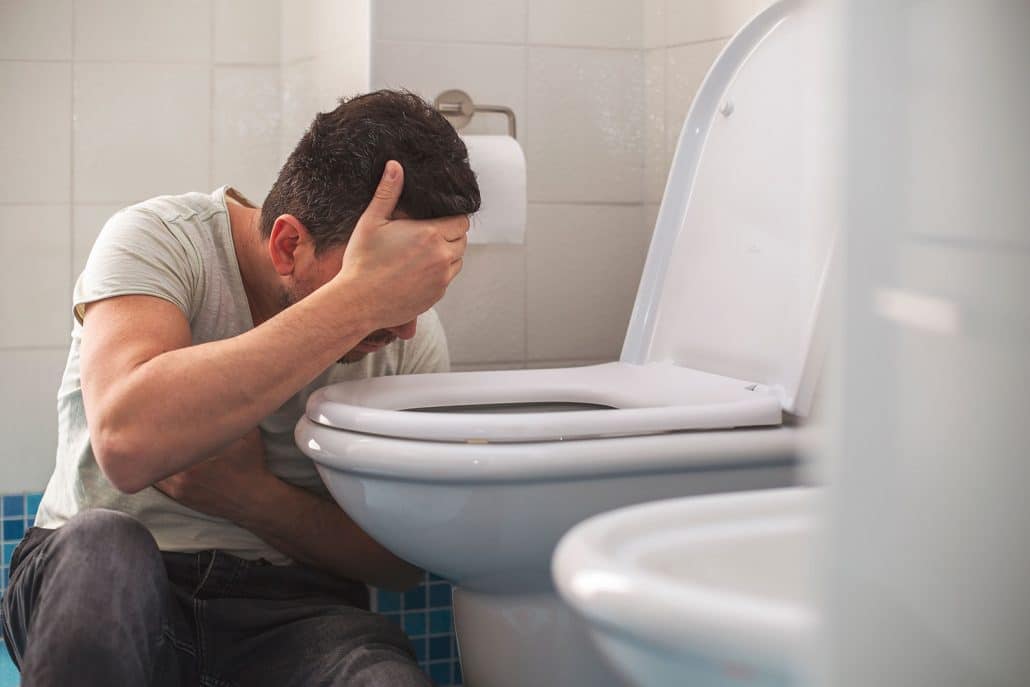
Having already developed a psychological or physical dependence on the substance, lowering or stopping the drug intake usually results in uncomfortable, and sometimes painful, symptoms, such as:
- Intense cravings
- Anxiety disorders
- Depression
- Paranoia
- Upset stomach
- Nausea
- Vomiting
- Muscle pains
- Confusion
- Hallucination
- Seizures
- Fatigue
- Difficulty sleeping
- Hunger or loss of appetite
Withdrawal symptoms can start as quickly as 6 to 12 hours after the person’s last drink or drug use. These discomforting symptoms can last anywhere from a week to a few months, depending on the severity of SUD.
Fortunately, you don’t have to deal with withdrawal symptoms alone.
Most treatment centers offer detox therapy designed to manage acute withdrawal safely and as comfortably as possible. This is done in controlled facilities under expert care.
Fear of Stigmatization and Social Situations
It’s no secret that there’s a stigma associated with those living with substance use disorder. As such, being labeled as an “addict” may repel those in need of help from enrolling in a treatment program.
Fearing judgment from friends and family members, the person may resort to denial, a defense mechanism to ignore or downplay unpleasant feelings and thoughts.
Denial can be a major obstacle to lifelong recovery.
Alongside the fear of stigmatization is the worry of social interactions. That’s because a substantial number of people use drugs as a social lubricant, and the idea of interacting with others while sober can seem frightening.
Both of these emotions are quite common and are expected.
Evidence-based interventions involve therapies and counseling to address these unhelpful thoughts and build confidence by teaching valuable coping skills you can use to rebuild your social life.
Additionally, addiction treatment centers offer extensive resources and support networks as part of their programs, including support groups and self-care training.

Fear of Accountability
Also called hypengyophobia, one of the most recognizable aspects of addiction is the fear of responsibility.
To some, SUD is a convenient explanation for their setbacks and failures. Thus, becoming sober means confronting the consequences of their addiction, be it harm inflicted on loved ones or their career.
Naturally, facing up to this responsibility can be daunting at first. But it’s worth remembering that you’re not alone in this struggle.
Therapies are provided in individualized treatment programs that seek to resolve this fear. Family therapy, for instance, has been shown to strengthen support and accountability by facilitating open communication and rebuilding trust.
Participating in peer support initiatives like Alcoholics Anonymous (AA) and Narcotics Anonymous (NA) can also be helpful by encouraging self-reflection and personal responsibility.

Overcoming Fear of Sobriety
Understanding that worry is a normal emotion during early recovery is the first step. Once you have a clear grasp on the reasons behind your fears, you’ll be better at overcoming them. Here are some tips that may help with your nifaliophobia:
Educate Yourself
There’s no better way to resolve uneasiness than demystifying your fears. Research treatment programs available, and learn as much as you can about sober living.
Talking to counselors, healthcare providers, and sober friends can offer invaluable insight into dealing with nifaliophobia. Knowledge can only empower you.
Acknowledge Your Worries
Identify which aspects of being sober you fear the most. Shedding light on your worries makes you better equipped to resolve them. Be open to your therapist about these difficulties.
Talk to People You Know and Trust
Convey your intention to recover with your friends and loved ones. Evidence strongly suggests that active family involvement improves treatment outcomes and helps with long-term sobriety.
Start with Small Goals
Write down your reasons to become sober. Then, set small, achievable goals to build your confidence. Breaking down the task makes it more manageable and less scary.
For instance, you can start by not drinking or using drugs for one day. From there, you can extend it to two days, then to three or a week.
Establish a Support Network
Isolation worsens feelings of loneliness, boredom, and anxiety, feelings that could make you more likely to fall back into substance misuse.
Surrounding yourself with people who support your recovery can reduce feelings of isolation, providing encouragement that could strengthen your resolve to become sober.
Find New Things to Enjoy
Those who struggle with addiction so often lose interest in the things they once loved, preoccupied by thoughts of getting more of the substance.
New hobbies and activities are crucial to recovery as they fill the void left behind by drug use. They’re also a great way to rebuild self-esteem and social life.

Bottom Line: Finding Humane Expert Support
If you think fear is obstructing your path towards sobriety, seeking humane and expert support can make navigating SUD recovery easier.
Long Island Interventions is a trusted provider of personalized addiction treatment programs in New York. Our team of accredited staff is more than ready to assist in your journey to reclaiming the life you deserve.
Talk to us!
Written by: The Long Island Interventions Editorial Team
Published on: December 29, 2025
Updated on: February 7, 2026