Despite the recent decline in drug overdose deaths across the country, falling sharply beginning in 2023 through most of 2025, the opioid epidemic continues to destroy lives and families across the country.
According to the National Survey on Drug Use and Health (NSDUH), millions of Americans aged 12 and above positively qualify for having opioid use disorder (OUD).
Some of the most abused opioids include fentanyl, heroin, and morphine.
The prevalence of fatalities caused by OUD remains staggeringly high, with provisional 2025 data from the Centers for Disease Control and Prevention (CDC) reporting 77,648 deaths, 66.2% of which are opioid-related.
Nearly 58% of these deaths are caused by illicitly manufactured fentanyl.
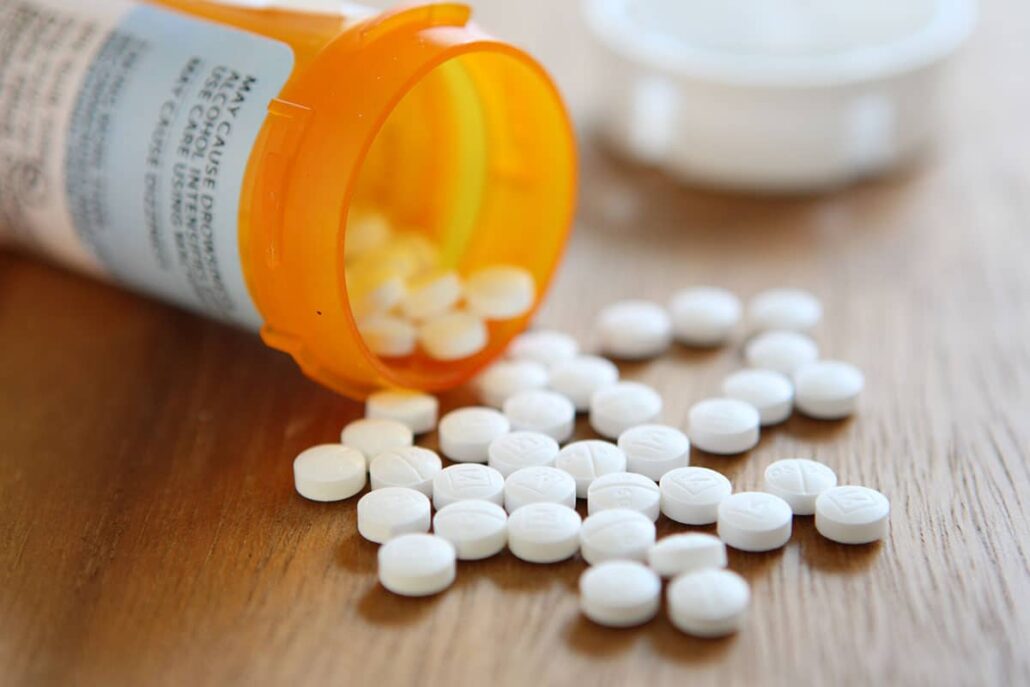
For concerned friends and family members of those who struggle with an opioid addiction, the possibility of an overdose can be alarming. At the same time, confronting them about it can feel just as intimidating.
Health professionals know this and tailor evidence-based interventions and effective opioid treatment based on the unique circumstances of every family. Here’s everything you need to know.
Causes and Dangers of Opioid Addiction
Opioids are a class of natural, synthetic, and partially synthetic drugs mimicking the opium poppy plant’s properties. Their primary medical purpose is to relieve moderate-to-severe pain in patients.
Some examples of situations that could require an opioid are post-surgery pain management, persistent chronic pain, and terminal care for those with incurable health conditions.
Fentanyl is a synthetic opioid used as a surgical anesthetic.
When used as directed by a physician, prescription opioids can be safe and valuable. However, because of its high risk of abuse and dependence, opioid prescribing is only allowed for primary care providers.
Because of their dangers, many opioids are classified under Schedule II of the Controlled Substances Act.
Opioid Abuse Risks
What makes opioids effective in managing pain is also the very thing that makes them dangerous. Due to the euphoric effects of these drugs, it’s easy for individuals to get hooked on them.
Someone who developed dependence on an opioid prescription can exhibit signs of OUD. They may want to take more of the substance, and more frequently, despite their better judgment.
Over time, they could face personal, social, and financial problems as a direct result of their drug use.
Developing tolerance from continued abuse can further increase the risk of overdose. That’s because it forces the users to take more of the substance to feel the same effects they did the first time.
Fentanyl, one of the most commonly abused opioids, is over 100 times stronger than morphine and 50 times more potent than heroin.
As little as 2 mg of fentanyl unknowingly mixed with other illicit drugs can be fatal.

Opioid Overdose Prevention
For every 10 to 30 nonfatal overdose incidents, there is roughly one that results in death. However, those who survived once are at high risk of a fatal overdose in the future.
If you or someone near you is exhibiting the following symptoms, promptly call 911 or the nearest emergency department:
- Constricted pupils
- Noticeably blue lips and fingernails
- Unresponsive to voice or touch
- Irregular or slow breathing and heart rate
- Low blood pressure
- Clammy, pale skin
First responders and healthcare providers will administer naloxone to reverse an opioid overdose before providing clinical and recovery support.
In most states, policymakers and health departments, fighting the opioid crisis, require pharmacies and organizations to provide naloxone without a prescription. Anyone can also administer the drug in an emergency.
You can reduce the chances of accidental overdose among adolescents and young adults by teaching them to use a test strip.
This convenient tool, which only costs $1 to $2 a piece, can quickly detect traces of the synthetic opioid mixed with other substances.

Intervention Strategies For Opioid Misuse
There are many types of evidence-based strategies to intervene and motivate someone to seek professional help. Depending on your situation, you can employ a simple intervention, crisis prevention, or other approaches.
Brief Intervention
A Brief Intervention (BI) is a quick 5 to 15-minute conversation (sometimes longer) to encourage change and convince the person struggling with a drug problem to seek treatment.
Clinicians typically conduct a BI in hospitals after an overdose incident.
As an intervention model, Brief Intervention follows the FRAMES framework, which stands for Feedback, Responsibility, Advice, Menu, Empathy, and Self-Efficacy.
The goal of a BI session is to help the individual recognize the problem, reduce risky drug use, prevent escalation, and promote empowerment in recovery.
Crisis Intervention
Crisis Intervention (CI) is a short-term, often on-the-spot response to escalating substance abuse that creates threatening or dangerous situations for the individual or those around them.
Due to the urgency, this management technique is generally carried out by law enforcement officers.
The purpose of a crisis intervention is to manage acute mental, emotional, physical, and behavioral health crises. A crisis can include suicide attempts, severe depression, violence, or the sudden death of a loved one.
De-escalation and mental health support are key components of CI. First responders coordinate clinical support and referrals to get the person to commit to a treatment program.
The Substance Abuse and Mental Health Services Administration (SAMHSA.gov) provides and funds crisis intervention training and resources.
The Johnson Model
This is one of the most common intervention approaches for people suffering from chronic addiction.
Popularized by Dr. Vernon Johnson in the 1960s, the Johnson Model is designed to break denial by helping them acknowledge the impact of their behavior on their friends and loved ones.
In this approach, concerned individuals arrange a surprise meeting with the individual diagnosed with SUD. They then discuss the problem and offer effective treatment options.
The Johnson Model aims to urge the person in question to enter rehab before they hit “rock bottom.”
An intervention specialist can play a crucial role during the intervention process. Trained counselors can guide families to organize a non-confrontational conversation to prevent emotional escalation.
Family Systems Intervention
Addiction is a family disease. It impacts the family by causing distress and emotional instability, often leading to broken trust, financial problems, communication issues, and dysfunctional patterns.
To cope with the disorder, close relatives often take on dysfunctional roles. These adaptive behaviors serve as an unconscious coping mechanism to deal with uncomfortable emotions like shame.
Relatives can enable (caretaker), attempt to compensate (hero), take the blame (scapegoat), downplay the situation (clown), or isolate themselves (lost child) from everyone else.
This tendency to put on roles is problematic because it ultimately tolerates and perpetuates the issue rather than solving it.
Family system therapy recognizes this and looks to the family as a unit. Clinicians address the issue by confronting members who are, in some capacity, contributing to the substance use problem.
They also offer a full spectrum of support, such as peer support groups and individual therapy.
Harm Reduction Strategies
Harm reduction is a practical public health intervention consisting of strategies, programs, and policies that seek to reduce the negative health consequences of SUDs, including opioid use disorder.
The US Department of Health and Human Services (HHS) is one of the major bodies that funds harm reduction in the country. Some of the most popular harm reduction programs are:
- Overdose prevention areas
- Fentanyl tests
- Naloxone distribution
- Syringe service programs
Other harm reduction initiatives involve providing access to sterile injection and smoking equipment to lower the transmission of infectious diseases like hepatitis C and HIV among users.

Staging an Intervention: Dos and Don’ts You Should Know
There are several things you want to avoid when staging an intervention for a loved one.
First and foremost, you don’t want to confront the individual on the spur of the moment. A poorly planned intervention can result in aggression, which worsens the situation and increases resistance.
Although a DIY intervention is possible, working with an expert can make the process easier.
Having an expert voice makes it more likely to succeed. Professional interventionists, social workers, doctors, counselors, or therapists are all equipped to guide the conversation and ensure everyone stays on track.
When assembling your intervention team, choose members carefully.
An intervention team should consist of 4 to 6 members, ideally family, community members, close friends, and spouses—people who actually care about the person. Love, honesty, and support are key here.
Opioid Substance Abuse Treatment Options
Opioid addiction is treated with a combination of psychotherapy and Medications for Opioid Use Disorder (MOUD).
- Medication-Assisted Treatment: These are medications to manage withdrawal during recovery, such as methadone, naltrexone, and buprenorphine.
- Counseling and Behavioral Therapy: Cognitive behavioral therapy (CBT) is a standard service in rehab, teaching patients to modify toxic patterns and learn valuable coping skills.
- Other Community-based Resources: Many rehab centers connect alums to mutual help resources after treatment, such as support groups, group therapy, and 12-step programs.
Depending on the patient’s unique needs, facilities deliver substance use disorder treatment services in outpatient or inpatient formats. If you’re a Medicaid recipient, review your plan for the services it can cover.

Bottom Line—Finding Intervention Specialists In New York
There’s no way to tell how a person will react to a confrontation. Whether or not they’ll recognize the problem and accept help will ultimately depend on their willingness to change.
An interventionist is trained to break denial using various evidence-based strategies, improving your chances of success.
If you’re considering staging an intervention for a loved one in New York, reach out to Long Island Interventions for professional support and guidance.
Written by: The Long Island Interventions Editorial Team
Published on: April 30, 2026
Updated on: July 9, 2026