Veterans carry burdens most people will never fully understand. The transition from military service back to civilian life is hard, and for many, substance use disorder becomes a way to cope.
But there is a way forward.
Understanding the right intervention strategies can make all the difference. Whether you’re a veteran yourself or a loved one trying to help, this guide breaks it all down, clearly and honestly.
Why Veterans Face Challenges With Substance Use
Veterans aren’t just civilians who served. Their experiences during their military service shape them in ways that go much deeper. Combat exposure, loss, moral injury, and constant high-stress environments take a serious toll on their mental health.
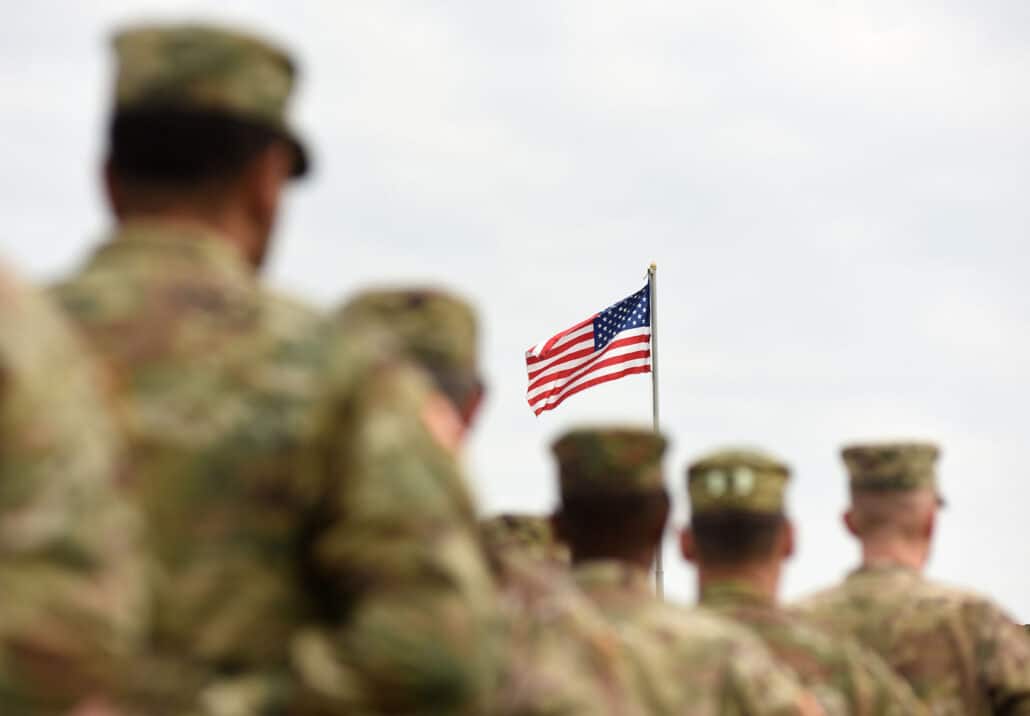
When they return home, the adjustment to civilian life can feel overwhelming and isolating. The aforementioned experiences are real risk factors that make substance misuse far more likely among military veterans than the general population.
The Weight of Military Service on Mental Health
Service members are trained to push through pain. Because of this mindset, asking for help can feel like a weakness, even when it isn’t. That mentality, combined with the trauma of active duty, creates the perfect conditions for behavioral health struggles to develop.
In fact, many veterans don’t recognize how much their mental health has suffered until substance abuse is already part of the picture.
How Post-Traumatic Stress Disorder Fuels Substance Misuse
Post-traumatic stress disorder (PTSD) is one of the most common mental health conditions among veterans. Flashbacks, nightmares, hypervigilance, and emotional numbness are exhausting to live with.
So it’s no surprise that many turn to alcohol or drugs just to feel some relief. Research consistently shows that veterans with PTSD are significantly more likely to develop substance use disorder.
In the end, the two conditions feed each other in a cycle that’s very difficult to break without proper mental health treatment.
Chronic Pain, Opioid Prescriptions, and the Cycle That Follows
Physical injuries are an inevitability for many service members. Chronic pain from those injuries often leads to opioid prescriptions through VA healthcare or other healthcare providers.
Over time, an opioid dependency can unintentionally develop. What started as legitimate pain management slowly becomes drug misuse.
Further, because opioids are so physically addictive, stopping without medical support during detox can be dangerous. It’s one of the clearest examples of how substance use disorder can take hold quietly and quickly among veterans.

Recognizing the Warning Signs in a Veteran You Love
Sometimes the hardest part is simply knowing something is wrong. Veterans are often skilled at masking pain, and those closest to them may not notice the signs until matters have escalated.
Knowing what to look for can help you step in earlier and more effectively.
Behavioral and Emotional Red Flags to Watch For
Changes in behavior are usually the first indicators of a deeper problem. They can be subtle at first, then harder to ignore over time. Some of the most common warning signs include:
- Withdrawing from family members and close relationships
- Increased irritability, mood swings, or unexplained anger
- Neglecting responsibilities at home or work
- Secretive behavior around drug or alcohol use disorder
Note: These signs don’t automatically confirm substance misuse. But they do mean it’s worth having an honest, compassionate conversation sooner rather than later.
When Drug Use or Alcohol Use Disorder Goes Hidden
Veterans are more likely to hide drug abuse than seek help for it. Shame, stigma, and fear of judgment within military culture all play a role. Many also worry about how seeking help might affect their careers or benefits eligibility.
Because of this, substance misuse can go undetected for months or even years. By the time loved ones realize the extent of it, co-occurring mental health disorders are often already present too. Early recognition can literally save lives.

What Is a Veteran Addiction Intervention — and How Does It Work?
If you’ve noticed the warning signs, you may be wondering what to do next.
An intervention isn’t about confrontation or ultimatums. Instead, it’s a structured, compassionate conversation designed to help a veteran acknowledge their substance use disorder and accept help. Done right, it can be the turning point a struggling veteran needs.
Brief Intervention vs. Formal Intervention: What’s the Difference?
Not every situation calls for the same approach. The right intervention type depends on how severe the substance misuse is and how open the veteran is to receiving help.
That said, a brief intervention is typically used in a healthcare setting. A doctor or behavioral health professional raises concerns, provides information, and encourages the veteran to consider treatment options. It’s low-pressure and surprisingly effective in early-stage cases.
Alternatively, a formal intervention involves more planning. It usually includes:
- Family members, loved ones, and sometimes a professional interventionist
- A structured setting where concerns are shared honestly and without blame
- A clear treatment plan ready to present, including referral options
Both approaches share the same goal: Getting the veteran connected to the right support as early as possible.
The Role of Family Members and Loved Ones in the Process
Family members are often the first to notice something is wrong. That puts them in a powerful position. But it also puts enormous pressure on them.
Approaching a veteran about substance abuse requires patience, empathy, and preparation. For starters, avoid blame-focused language. Focus instead on specific behaviors you’ve observed and how they’ve affected you.
It also helps to come prepared with information about local treatment programs or VA healthcare resources. Showing up with solutions, not just concerns, makes the conversation far more productive.

Evidence-Based Treatment Options Built for Veterans
The good news is that there are several evidence-based treatments specifically tailored to the needs of military veterans. The right treatment plan depends on the individual, their history, and their mental health conditions.
Cognitive Behavioral Therapy (CBT)
CBT is one of the most widely used and well-researched approaches in addiction treatment. CBT helps veterans identify the thought patterns driving their alcohol or drug use disorder. From there, they learn practical coping strategies to respond differently to triggers and cravings.
This therapy is structured, goal-oriented, and has strong results for both substance use disorder and post-traumatic stress disorder when they occur together.
Dual Diagnosis Treatment
Many veterans live with co-occurring mental health disorders alongside their substance use disorder. This occurrence is often called a dual diagnosis. Treating only the addiction without addressing the underlying mental health conditions rarely leads to lasting recovery.
That’s why effective dual diagnosis treatment addresses both simultaneously through integrated mental health services. It might include medication management, therapy, and peer support—all working together within the same treatment plan.
Individual and Group Therapy
Individual therapy gives veterans a private space to process trauma, grief, and the challenges that come with military service.
Group therapy is of equal value. Sitting with other military veterans who truly understand your experience reduces isolation in a way that’s hard to replicate.
Additionally, peer support within a group setting builds trust, accountability, and a sense of belonging. Many veterans describe group therapy as the first time they felt genuinely understood.
Relapse Prevention and Aftercare Plans
Relapse prevention is a critical part of any solid treatment plan. It equips veterans with the tools to recognize early warning signs, manage cravings, and navigate high-risk situations.
A strong aftercare plan may include outpatient therapy, support groups, mindfulness practices, and regular check-ins with healthcare providers. Having such a clear support system in place after recovery improves long-term outcomes.

VA Healthcare and Treatment Programs Available to Veterans
The U.S. Departmentof Veterans Affairs offers one of the most comprehensive networks of mental health treatment and substance use treatment in the country. If you or someone you love served, these resources are worth knowing inside and out.
Inpatient vs. Outpatient: Understanding the Levels of Care
Choosing between inpatient and outpatient care depends on the severity of the substance use disorder and the veteran’s home environment.
On one hand, inpatient treatment provides round-the-clock care within a structured medical center setting. It’s best suited for severe addiction, co-occurring mental health conditions, or unstable living situations.
Alternatively, outpatient treatment allows veterans to receive care while continuing to live at home. It works well for those with strong support systems and less severe substance misuse.
Eligibility, Referral, and How to Access VA Mental Health Services
Eligibility is generally based on military service history and discharge status. The process typically begins with enrolling through the VA’s official gov website or visiting a local VA medical center.
Note: Women veterans, homeless veterans, and those on active duty transitioning out all have access to specialized pathways within the system.
Taking the First Step: What Families and Veterans Can Do Today
Recovery starts with one conversation, one phone call, or one honest moment of acknowledgment. If you’re a veteran struggling with substance abuse, or a family member watching someone you love disappear into it, you don’t have to figure out your next steps alone.
If you’re ready to explore treatment options, our team at Long Island Interventions understands the specific challenges military veterans face. We offer evidence-based addiction treatment built around real recovery.
Reach out today and take the first step toward a life that feels worth living again.
Written by: The Long Island Interventions Editorial Team
Published on: March 25, 2026
Updated on: March 25, 2026