If you’re taking Zoloft and wondering whether having a beer is safe, you’re not alone. This is one of the most common questions people ask when they start an antidepressant.
Maybe it’s just a social situation, a way to unwind, or something that used to feel normal before medication became part of your life.
This article aims to provide you with the facts. We’ll explain how Zoloft works, how alcohol affects the body and brain, and why combining the two can be more complicated than it sounds.
What Is Zoloft and Why Is It Prescribed?
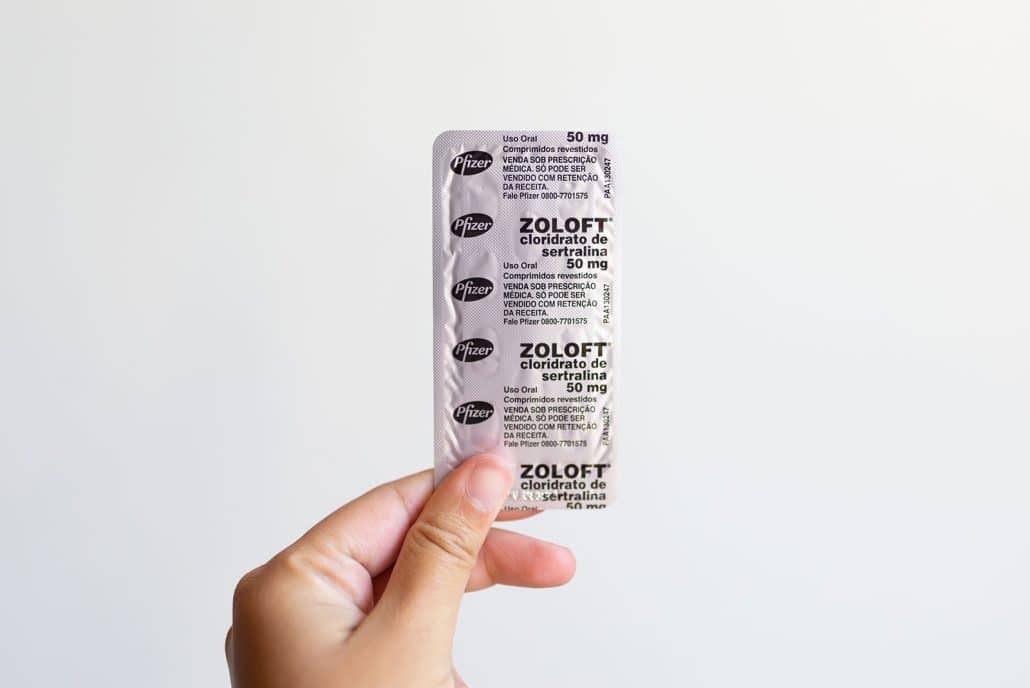
Zoloft is the brand name for sertraline, a prescription medication used to treat several mental health conditions.
It belongs to a group of antidepressant medications called selective serotonin reuptake inhibitors (SSRIs). These medications are prescribed because they’re effective when taken as directed.
Conditions Zoloft Is Commonly Used For
Zoloft may be prescribed to help manage:
- Major depressive disorder
- Anxiety disorder
- Obsessive-compulsive disorder (OCD)
- Post-traumatic stress disorder
- Social anxiety disorder
Although these conditions differ, they often involve overlapping symptoms such as persistent low mood, intrusive thoughts, heightened fear, or difficulty functioning day to day.
How Zoloft Works in the Brain
Zoloft works by increasing the levels of serotonin in the brain. Serotonin is a neurotransmitter that helps regulate mood, emotional balance, sleep, and overall well-being.
By slowing the reabsorption of serotonin, Zoloft allows more of it to remain active between nerve cells and interact with serotonin receptors. Over time, this process can help ease depression and anxiety symptoms.
Why Timing and Adjustment Matter
Zoloft doesn’t work right away. Most people notice gradual changes over several weeks, and dosage adjustments often require guidance from a healthcare provider.
During this adjustment period, the brain is still adapting, which is one reason drinking alcohol while taking Zoloft can carry added risk.
Why Some People Drink Alcohol While Taking Zoloft
It’s important to understand that most people don’t mix alcohol and medication with harmful intent. In many cases, drinking begins, or continues, for reasons that feel understandable at the time.
Some common reasons include:
- Trying to relax or manage stress while adjusting to medication.
- Using alcohol to cope with lingering symptoms of depression or anxiety.
- Wanting to feel “normal” in social situations.
- Uncertainty about how serious the risks really are.
- Habitual drinking patterns that existed before starting medication.
Unfortunately, alcohol can make mental health symptoms worse over time, even when it feels helpful in the moment. What starts as occasional drinking can slowly undermine treatment progress and increase emotional vulnerability.
How Alcohol Affects the Brain and Mental Health
Alcohol affects the brain in ways that go beyond feeling relaxed or social. Beer, like all alcoholic drinks, acts as a central nervous system depressant. It slows brain activity and affects judgment, coordination, mood, and emotional regulation.
In the short term, alcohol can cause drowsiness, impaired decision-making, and changes in blood pressure.
While it may temporarily reduce stress or anxiety, these effects are often followed by increased irritability, low mood, or anxiety once the alcohol wears off.
Over time, regular alcohol consumption can interfere with sleep, worsen depression symptoms, and make anxiety harder to manage.
Alcohol also affects serotonin levels, which is the same neurotransmitter many antidepressants target.
For people managing mental health conditions, this overlap can make them feel moody and sad. It could also cause relapses that aren’t too easy to reverse.
What Happens When You Mix Beer and Zoloft?
When beer and Zoloft are used together, their effects on the central nervous system can overlap and intensify.
Alcohol slows brain activity, while Zoloft alters serotonin levels to support mood regulation. Combined, this can increase drowsiness, mental fog, slowed reaction time, and overall impairment.
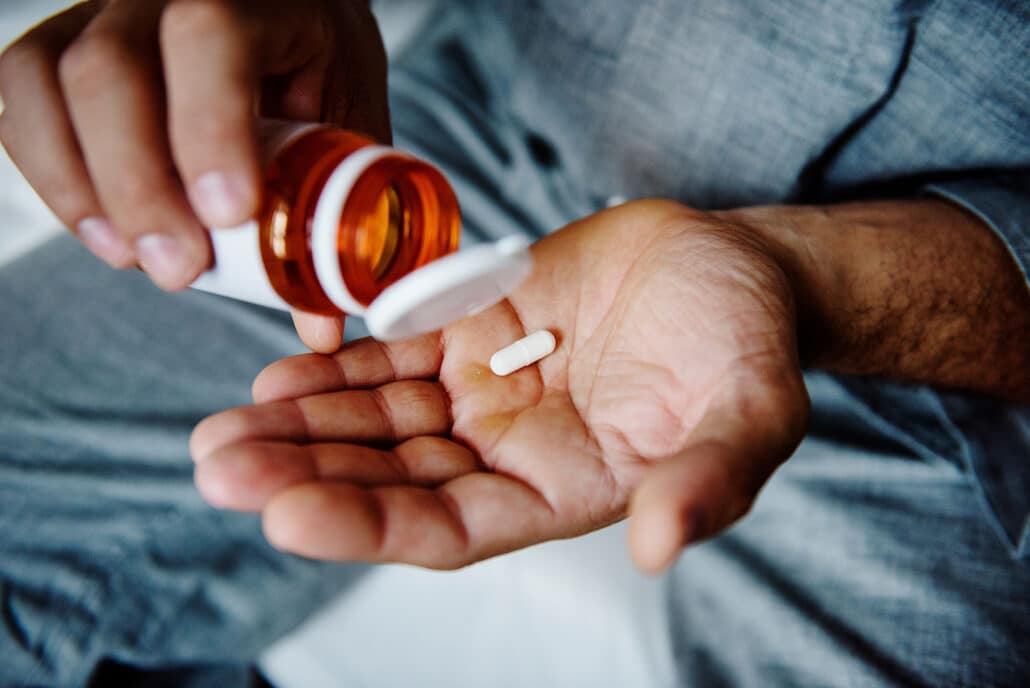
Emotional changes are also common. Alcohol can counteract the benefits of Zoloft by worsening anxiety or depression symptoms after drinking, even if the amount of alcohol seems small.
These shifts can feel confusing, especially for people actively working to improve their mental health.
Another concern is unpredictability. Someone may drink while taking Zoloft without immediate issues, then experience stronger side effects later due to dosage changes, tolerance, or emotional stress.
Alcohol can also reduce how well Zoloft works over time, making treatment less effective. Because of these risks, healthcare providers often recommend limiting or avoiding alcohol while taking Zoloft.
Side Effects and Warning Signs to Be Aware Of
When beer and Zoloft are used together, side effects can become more noticeable or appear in ways people don’t expect.
Some reactions are mild but disruptive, while others may signal a more serious problem. Knowing what to look for can help you make safer choices and recognize when it’s time to seek medical advice.
Common Side Effects That May Intensify
Many people experience side effects when first taking Zoloft, even without alcohol. Drinking beer can increase both the intensity and frequency of these effects, especially while your body is still adjusting to the medication.
Common side effects that may worsen when you drink alcohol include:
- Increased drowsiness or fatigue
- Dizziness or lightheadedness
- Headaches
- Nausea or stomach discomfort
- Difficulty concentrating or mental fog
- Slower reaction time and coordination issues
While these symptoms may seem manageable at first, they can interfere with daily activities and increase the risk of accidents, especially when driving or making important decisions.
Emotional and Psychological Warning Signs
Not all side effects are physical. Mixing alcohol with antidepressants can also affect mood and emotional stability. This sometimes happens in subtle ways that are easy to dismiss at first.

Warning signs to pay attention to include:
- Increased anxiety or restlessness
- Worsening depression symptoms
- Irritability or mood swings
- Emotional numbness or detachment
- Trouble sleeping or unusual dreams
Because alcohol can lower inhibitions, these emotional changes may feel more intense or harder to control after drinking.
More Serious Reactions That Require Immediate Attention
In some cases, combining alcohol with Zoloft can contribute to more serious health risks. While these reactions are less common, they should never be ignored.
Seek medical help right away if you or someone else experiences:
- Rapid heart rate or chest discomfort
- Significant changes in blood pressure
- Severe confusion or disorientation
- Fainting or loss of consciousness
- Signs of serotonin syndrome, such as agitation, sweating, tremors, or fever
Serotonin syndrome is a rare but potentially life-threatening condition that can occur when serotonin levels become too high. Alcohol may increase the risk by interfering with how the body processes medication.
Increased Risk of Suicidal Thoughts
One of the most important warnings to understand is the potential increase in suicidal thoughts, particularly during the early stages of treatment or when alcohol is involved.
Alcohol can intensify impulsivity and emotional distress, making it harder to manage difficult thoughts safely.
If you notice thoughts of self-harm, hopelessness, or a sudden worsening of mood, especially after drinking, take this situation seriously. It’s important to reach out to a healthcare professional or trusted support immediately.

Long-Term Risks of Mixing Alcohol and Zoloft
While the short-term effects of mixing beer and Zoloft can be uncomfortable or disruptive, the long-term risks often develop more quietly.
Over time, regular alcohol use can interfere with how antidepressants are meant to support mental health, making it harder to achieve lasting stability.
Ongoing alcohol consumption while taking Zoloft may increase the risk of:
- Reduced effectiveness of antidepressant treatment
- Worsening depression symptoms and anxiety
- Increased likelihood of alcohol addiction or alcohol use disorder
- Liver damage due to the body’s processing of both alcohol and medication
- Greater emotional instability and impaired judgment
For some people, alcohol use gradually becomes a coping mechanism rather than an occasional choice. When that happens, both mental health and physical well-being can suffer, often without clear warning signs until real harm is done.
How Long Island Interventions Can Help
When alcohol use and mental health concerns begin to overlap, having professional guidance can make a meaningful difference.
Long Island Interventions works with individuals and families who are navigating these exact challenges, offering compassionate support and clear next steps.
Services include:
- Professional intervention services to help start difficult conversations
- Assistance with alcohol detox placement when needed
- Connections to inpatient and outpatient treatment programs
- Support for individuals struggling with alcohol addiction and co-occurring mental health conditions
- Guidance for families and loved ones seeking help for someone they care about
- Ongoing care coordination and recovery planning
Support is tailored to each person’s situation, with a focus on safety, dignity, and long-term well-being.

Reaching out doesn’t mean you have to have everything figured out. It simply opens the door to better options and real support.
FAQs
Can I have just one beer while on Zoloft?
What if I experience serotonin syndrome symptoms?
Does Zoloft help with OCD or anxiety disorder?
How can I support a loved one with alcohol use disorder?
Mixing beer and Zoloft can carry real risks, but help is available, and change is possible. Whether you’re concerned about your own drinking or worried about a loved one, taking the next step can bring clarity and relief. If you’re ready to talk, Long Island Interventions is there to listen, guide, and help you explore the right path forward. Reach out today. This could be the first step toward greater stability, safety, and peace of mind.
Written by: The Long Island Interventions Editorial Team
Published on: December 29, 2025
Updated on: February 1, 2026