
Searching for detox in Long Island usually means one of two things. Either someone is in crisis right now and needs help fast, or a family is trying to understand the process before they make that first call.
Today, we’ll talk about both. We’ll explain what medical detox actually involves, which substances require it most urgently, where Long Island residents can find it, and what comes next once the physical part of withdrawal is over.
What Detox Actually Is
Detox, short for detoxification, is the process of clearing drugs or alcohol from the body while managing the withdrawal symptoms that follow. It’s the first physical step in addiction recovery, and for many substances, it’s also the most dangerous one to attempt alone.

Medical detox places that process under professional supervision. A team trained in addiction medicine monitors vital signs, manages discomfort with medication where appropriate, and watches for complications that can turn a routine withdrawal into a medical emergency.
This distinction matters because withdrawal from certain substances carries real physical risk, not just discomfort.
Long Island Interventions works with families across Long Island to connect a loved one struggling with substance abuse to the right level of care, starting with detox when that’s the necessary first step.
Substances That Require Medical Detox
Not every substance produces dangerous withdrawal, but several common ones do:
Alcohol
Long-term heavy drinkers can develop delirium tremens, a withdrawal complication that includes seizures, hallucinations, and dangerous swings in heart rate and blood pressure. Alcohol detox almost always calls for medical supervision.
Benzodiazepines
Drugs like Xanax and Valium carry a withdrawal profile similar to alcohol, including seizure risk when someone stops abruptly after long-term use.
Opioids
Withdrawal from opioid drugs, including fentanyl, heroin, and prescription painkillers, is rarely life-threatening on its own, but it’s severe enough that most people relapse trying to escape it without support.
Prescription drugs
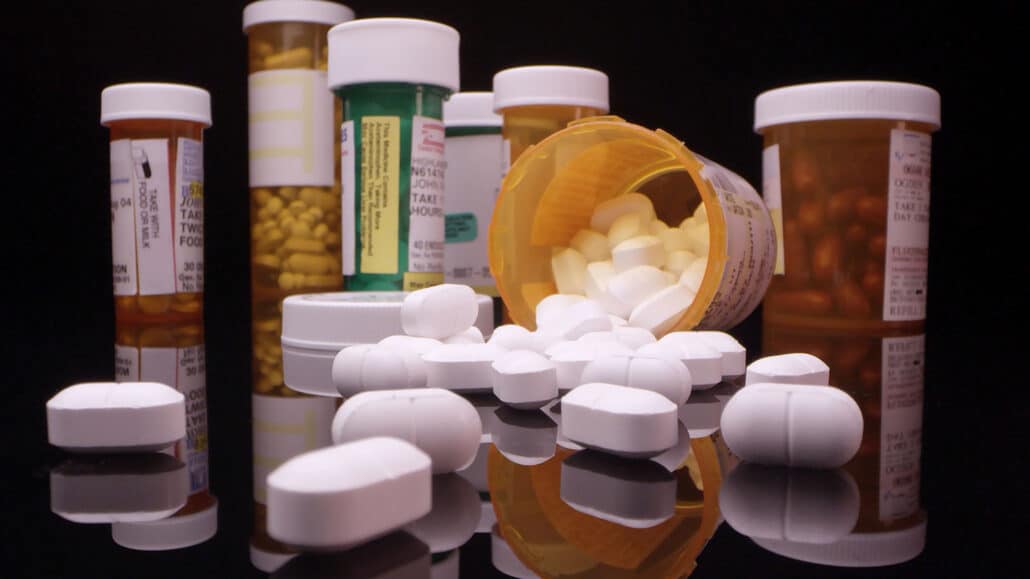
Beyond benzodiazepines and opioid painkillers, other prescription drugs can produce withdrawal symptoms serious enough to warrant medical oversight, especially when someone has been misusing them for months or years.
The Levels of Care After Detox
Detox handles the physical piece of addiction, but it isn’t a complete treatment on its own. Long Island Interventions coordinates clients through a full continuum once detox is finished:
- Inpatient treatment or residential treatment, for those who need 24-hour structure and support immediately after detox.
- Partial hospitalization, a step down that still offers most of a full day’s programming.
- IOP, or intensive outpatient treatment, for people who can live at home but still need several structured sessions a week.
- Outpatient care, the lightest level, built around ongoing therapy and accountability.
- Sober living, for anyone who needs a substance-free home environment while they rebuild routines.
Matching the right level of care to each person is one of the most important decisions in the entire recovery process, and it’s why an assessment should happen before, not after, someone commits to a specific program.
Where to Find Detox on Long Island
Long Island has several established detox and inpatient rehabilitation providers across Nassau County and Suffolk County. A few worth knowing about:
- Long Island Center for Recovery, in Hampton Bays, has provided medical detox and residential rehab since 1979 and remains family-owned and operated.
- Charles K. Post Addiction Treatment Center, operated by New York State in Brentwood, runs inpatient rehabilitation and community residential programs for Nassau and Suffolk County residents, including services for co-occurring mental health challenges.
Long Island Interventions doesn’t operate a detox facility directly. Instead, the team assesses each client, then places them with a trusted detox provider suited to their substance use, medical history, and insurance. Once detox is complete, clients transition into Long Island Interventions’ own outpatient programs for the ongoing work of addiction recovery.

Medication-Assisted Treatment During and After Detox
Medication-assisted treatment, often shortened to MAT, combines FDA-approved medications with counseling and behavioral therapy to treat opioid and alcohol use disorders.
For opioid addiction specifically, Suboxone is one of the most widely used medications, since it eases withdrawal symptoms and cravings without producing the same high as full opioid agonists.
Medication management doesn’t stop when detox ends. Many people continue MAT well into outpatient treatment, under the supervision of a provider trained in addiction medicine, as part of a longer-term plan to prevent relapse.
Anyone managing a substance use disorder alongside depression, anxiety, or another mental health challenge should also expect their medication plan to address both conditions together rather than treating them separately.
What a Day of Medical Detox Looks Like
Detox programs vary by facility, but most follow a similar pattern:
- Intake and assessment: Staff reviews medical history, substance use patterns, and any co-occurring mental health challenges before building an individualized plan.
- Medical monitoring: Vital signs get checked regularly, often using standardized withdrawal scales for alcohol or opioids, so the care team can adjust medications as symptoms change.
- Medication support: Where appropriate, medications ease symptoms and lower the risk of complications like seizures.
- Nutrition and rest: Detox is physically taxing, so most programs prioritize hydration, balanced meals, and sleep.
- Emotional support: Counselors and peer support help clients manage the psychological side of early withdrawal, not just the physical one.
Detox typically lasts anywhere from three to ten days, though the exact timeline depends on the substance involved and the person’s overall health.

How Long Withdrawal Symptoms Actually Last
Timelines vary by substance, and knowing roughly what to expect helps families plan around it.
- Alcohol. Symptoms often begin six to twelve hours after the last drink, peak within one to three days, and can occasionally stretch into a second week for people with a long drinking history.
- Benzodiazepines. Withdrawal can start within a day or two and, because of how long some benzodiazepines stay active in the body, may continue tapering for several weeks under medical supervision.
- Opioids. Physical withdrawal from opioids, including fentanyl, usually peaks around 48 to 72 hours and eases significantly within a week, though cravings and low mood can linger longer.
- Prescription drugs. Timelines depend heavily on the specific medication and how long someone has been using it, which is part of why an individualized assessment matters more than a generic timeline.
None of these estimates replace a real medical evaluation. Two people using the same substance can have very different withdrawal experiences depending on their health history, other medications, and how long the substance use disorder has gone on.

Now for the Decision: Choosing the Right Detox Program
Not every detox facility is the right fit for every person, and a few questions help narrow the search:
- Does the facility treat the specific substance involved? Opioid and alcohol detox protocols differ significantly from those used for stimulants or other prescription drugs.
- Is medical care available around the clock? Anyone at risk for seizures or delirium tremens needs 24-hour medical staffing, not periodic check-ins.
- Does the program address dual diagnosis needs? Depression, anxiety, and other mental health challenges are common alongside substance use, and treating only one side of that equation rarely holds up long-term.
- What happens after detox ends? A facility without a clear plan for inpatient rehabilitation, IOP, or outpatient follow-up leaves clients vulnerable right when they’re most fragile.
- What insurance does the facility accept? Confirming coverage for Cigna, Medicaid, or another plan before admission avoids financial stress during an already difficult time.
Long Island Interventions walks families through these questions directly, matching each client to a detox provider that fits their substance use history, medical needs, and insurance coverage before making a single call on their behalf.
Paying for Detox on Long Island
Cost is one of the biggest reasons people delay getting help, but coverage is often more available than families expect.
Private insurance. Most private plans, including Cigna and other major carriers, cover at least part of detox and inpatient rehabilitation under New York’s mental health and substance use parity laws. Calling ahead for a free benefits check saves time and avoids surprises later.
Medicaid. New York State Medicaid covers medically necessary detox and treatment for eligible residents, and several Long Island providers, including some listed above, accept it directly.
Telehealth follow-up. Once detox is complete, telehealth appointments make it easier to keep up with medication management and counseling sessions, particularly for clients balancing work or family obligations during outpatient treatment.
Anyone unsure what their plan covers should call before choosing a facility. A quick verification call can rule out unexpected costs and confirm which levels of care, from inpatient treatment through outpatient detox, are included.

Life After Detox (Which Is Actually More Difficult than Detox Itself Initially)
Detox stabilizes the body, but staying sober long-term depends on what happens next. A solid aftercare plan, built before detox even ends, should include:
- Evidence-based therapies, including cognitive behavioral therapy, to address the thought patterns and triggers behind substance use.
- Dual diagnosis treatment, for anyone managing a mental health challenge like depression alongside their substance use disorder.
- Support groups, whether 12-step meetings or another peer-based model, for ongoing accountability and community.
- Sober living homes, for those who need a structured, substance-free place to live while they establish new routines.
- Discharge planning, so nothing falls through the cracks between one level of care and the next.
Long Island Interventions builds this continuum into every client’s plan from the start, coordinating detox referrals, outpatient treatment, and aftercare so recovery doesn’t stall out after the first thirty days.
FAQs
Does Long Island Interventions provide detox directly?
No. Detox and inpatient rehabilitation happen through trusted partner facilities like Seafield Center, Long Island Center for Recovery, and Charles K. Post Addiction Treatment Center. Long Island Interventions handles the assessment, placement, and everything that follows, including its own IOP and outpatient programs once detox is complete.
How fast can someone get into a detox program?
Admission timelines vary by facility and by how urgent the medical situation is, but most Long Island detox providers can admit someone within a day or two of an assessment, and sometimes the same day for acute cases involving alcohol, benzodiazepines, or fentanyl.
Can someone detox from home instead?
Home detox is rarely safe for alcohol, benzodiazepines, or long-term opioid use, given the risk of seizures and other complications. A brief conversation with an addiction medicine provider can clarify whether medical detox is necessary before anyone attempts to stop on their own.
What if a loved one refuses to go?
This is one of the most common reasons families reach out to Long Island Interventions in the first place. A structured intervention, led by a trained professional, often succeeds where informal conversations have failed, and a treatment plan, including detox placement, can be arranged in advance so there’s no gap between someone saying yes and actually getting help.

Final Thoughts
Detox is the beginning of recovery, not the whole of it. Anyone searching for detox on Long Island should look for medically supervised care first, then a clear plan for what comes after, whether that’s residential treatment, IOP, or ongoing outpatient support paired with medication-assisted treatment.
If you or someone you love is struggling with opioid use, alcohol, benzodiazepines, or another substance, reach out to Long Island Interventions today. The team can help assess the situation, arrange detox placement, and build a full plan for lasting recovery.
Additional Resources
- SAMHSA National Helpline
- NIDA: Treatment Approaches for Drug Addiction
- New York State Office of Addiction Services and Supports (OASAS)
Drug & alcohol detox programs are not directly offered by Long Island Interventions. However, we do recognize that this type of addiction treatment is often necessary and vital to one’s long-term recovery from substance abuse. If you or a loved one require any services that we do not offer we would be glad to refer you to one of our trusted affiliate providers.