Methamphetamine is a type of stimulant drug that affects the central nervous system. Classified as a Schedule II controlled substance by the US Drug Enforcement Administration (DEA), the drug has some medical uses, but also a significant potential for abuse.
The synthetic stimulant is highly addictive due to its euphoric effects, triggering a surge of dopamine in the brain. It decreases appetite, lessens fatigue, and reduces drowsiness.
When abused, meth comes with many health risks that could endanger the individual’s well-being, sometimes causing immediate harm to the brain and body. Dirty meth refers to a particularly hazardous type of this illegally-made stimulant.
In this guide, we’ll explain what makes meth dirty, why it’s more dangerous, and some insights on how to deal with meth contamination. We’ll also share the best treatment options available for people living with meth stimulant addiction.

What Is Dirty Meth?
Colloquially called speed, crystal, and ice, street meth is frequently sold in the form of powder, wax, liquid, or pills. Its appearance can vary depending on the type, purity, and manufacturing quality.
Meth is considered dirty when it contains high levels of impurities and contaminants. Variants of the stimulant usually found on the streets often include additives and adulterants to alter their effects.
Similarly, unsafe methamphetamine laboratories can accidentally add unknown chemicals to the stimulant during its production as well.
Nevertheless, illegal methamphetamine is rarely sold pure. It’s not uncommon for illicit drug dealers to mix the stimulant with other substances to increase the drug’s volume and double their profits.
This method is called “cutting.” Some of the cutting agents and chemicals found in dirty meth are:
- Bath Salts: A cheap additive, bath salts produce a powerful high like meth and amphetamine. They can, however, lead to dire health effects, including lasting neurological symptoms.
- Household chemicals: Acetone, lithium, drain cleaners, and paint thinners are sometimes found in street meth.
- Red Dye: Some forms of the stimulant could contain pseudoephedrine, a nasal decongestant, which can leave behind trace amounts of red dye from the tablets.
- Copper Salts: Copper salts are often used in agricultural fungicides. When mixed into illicit drugs, it may cause major organ damage.
- Baking Soda: Manufacturers may cut meth with cheaper powders, such as baking soda, baking powder, and even milk powder.
- Phosphorus: This is an extremely toxic chemical, lending a purplish appearance to meth contaminated with it.
- Sulfur: Ingested in small quantities, sulfur can cause mild irritation. Diarrhea, stomach pains, vomiting, and other gastrointestinal issues can occur in larger amounts.
- Fentanyl: One of the leading causes of overdose deaths in the US, fentanyl is a potent synthetic opioid that can be deadly in even the tiniest doses. Meth manufacturers cut meth with fentanyl to boost its potency.
- Medicines: Because they’re cheaper, illicit meth vendors may use over-the-counter drugs, such as common cough and cold medicines, to cut methamphetamine.
- Metallic Materials: Cutting illegal drugs with metallic materials isn’t unheard of. This can cause metal buildup in the blood and lead to poisoning, damaging the heart, kidneys, brain, and liver.
- Methylsulfonylmethane: An MSM is a pain-reliever drug that’s often undetectable when mixed with meth.
In some cases, illegal drug vendors sell counterfeit powder, passing it off as pure methamphetamine. This is a dangerous practice that could lead to severe, even fatal, health consequences.
Why Is Dirty or Fake Meth Dangerous?
Regular meth is already a dangerous substance. Contaminated or fake methamphetamine, however, can be more life-threatening due to the unknown kind and amount of chemicals it can contain.

High blood pressure, severe anxiety, heart damage, hallucinations, kidney damage, and dental issues are some of the common problems arising from dirty meth abuse. They may suffer from an elevated risk of stroke.
The unpredictability of the meth combination’s potency may also increase the chances of overdose and death. Here are signs of a dirty meth overdose to watch out for:
- Difficulty breathing
- Confusion
- Paranoia
- Irritability and aggression
- Stupor and loss of consciousness
- Vomiting
- Rapid heart rate
- High blood pressure
- Psychosis
There is no “safe” meth. Even untainted meth is highly risky and illegal. If you think you’re developing substance use disorder (SUD) from excessive meth drug abuse, it’s important to seek professional help.
If you think you or someone near you is experiencing a meth overdose, call 911 and seek immediate medical assistance to prevent serious complications.
Identifying Dirty or Fake Meth
In its purest form, crystal meth appears like a white, sometimes colorless, crystalline powder. Additives and contaminants may alter its appearance and how it affects the user’s body.
Unfortunately, there’s really no reliable way to differentiate dirty from pure meth. Some stand out from their taste, smell, odor, and color, but many additives, substances, and contaminants are imperceptible to the senses.
Contamination From Dirty Meth Drug Labs
Cooking dirty meth can leave hazardous waste and byproducts in its immediate surroundings. This is called methamphetamine contamination, and it’s unsafe in many ways.
Harmful meth residues can remain on surfaces for years, in countertops, drywalls, flooring, and other porous items like plasterboard, timber, and insulation.
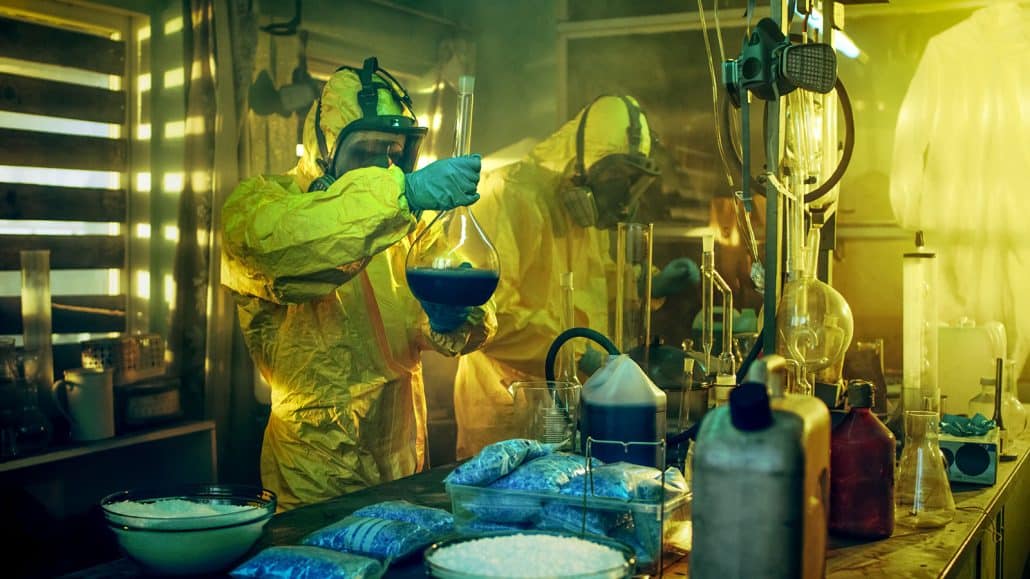
This is because, compared to other chemicals, the ingredients used in meth drug laboratories don’t dissolve, decompose, or degrade naturally.
When left alone, they affect air quality and pose serious risks to your and your family’s health. Children can be particularly vulnerable to meth lab exposure.
Signs of Meth Contaminated Properties
People living in unsafe methamphetamine labs may find a combination of physical and health-related symptoms.
Some structural warning signs of meth-contaminated properties can include:
- Unusual Stain Marks: If you observe brown or yellowish discolorations on the property’s walls, ceilings, vents, sinks, and drains, this could be a strong indication of past methamphetamine production.
- Excessive Waste Material: These are piles of unusual waste material, such as rubber tubing, gas canisters, lithium batteries, glassware, pseudoephedrine packets, and personal protective equipment.
- Visible Residues: Sticky and oily residues on the property surfaces could point to meth activity. Property owners may notice a thin layer of white or brown powder coating some surfaces.
- Distinct Chemical Smells: Most meth cooking labs produce a persistent, pungent smell, despite frequent lab cleanups. The odor can be similar to ammonia, paint thinner, vinegar, or cat urine.
- Property Modifications: Deliberately covered windows and unusual ventilation setups, alongside visible burn and chemical marks.
- Dead Vegetation: The excess chemicals in cooking meth may kill patches of grass and plants.
Always do thorough research before purchasing a property. Inspect the house and talk to the neighbors. An unusual drop in property value can also be a red flag.
Moreover, keep an eye on your and your loved ones’ health. Occupants of meth-contaminated homes usually experience unexplained health-related issues that often subside whenever they leave their property.
Depending on the level of contamination, symptoms can be any of the following:
- Sudden headaches and dizziness
- Shortness of breath
- Persistent cough
- Chest pains
- Eye irritations
- Nausea and vomiting
- Lack of coordination
- Difficulty sleeping and anxiety
Children living in or near dirty meth cooking labs are at risk of serious respiratory issues from inhaling toxic fumes and smoke.
Lower levels of solvent exposure can result in mild to moderate skin rashes. However, it can further irritate the body’s mucous membranes and lung tracts, ultimately impacting the central nervous system.
Ongoing contact with these harmful chemicals has been associated with cancer, brain damage, organ damage, and birth defects.

What to Do If You Suspect Your Home Has Been a Meth Lab?
Meth labs can be found anywhere—a home, office, shed, garage, hotel room, and even car trunks.
If you suspect you or someone you know is living in or near a former meth lab, it’s crucial to take action quickly to protect yourself and your family.
Report your case to the nearest local law enforcement agency or local health agencies. They’ll likely have records on your area’s meth activity and will advise you on what to do next.
Meth-affected properties will need professional remediation. For this, you can visit your city’s department of health office for a list of licensed contractors and consultants certified to test and remediate potentially toxic spaces.
When they find that your property’s methamphetamine residue exceeds health standards, you may need to proceed with decontamination.
The U.S. Environmental Protection Agency (EPA) further recommends encapsulation for decontaminated surfaces to prevent residual contaminants from migrating.
Have your dwelling retested before moving back for further safety.
Bottom Line: Seeking Expert Meth Addiction Support
Crystal meth, no matter the variant, is extremely harmful when abused, not only to the individual suffering from addiction but also to the loved ones surrounding them.

Don’t let substance use disorder derail your and your family’s life. Recovery is possible, and help is now closer than ever.
Long Island Interventions is a trusted provider of humane and evidence-based interventions for SUD. We’re committed to helping everyone struggling with substance use disorders recover the life they deserve.
Talk to us!
Written by: The Long Island Interventions Editorial Team
Published on: December 29, 2025
Updated on: May 1, 2026