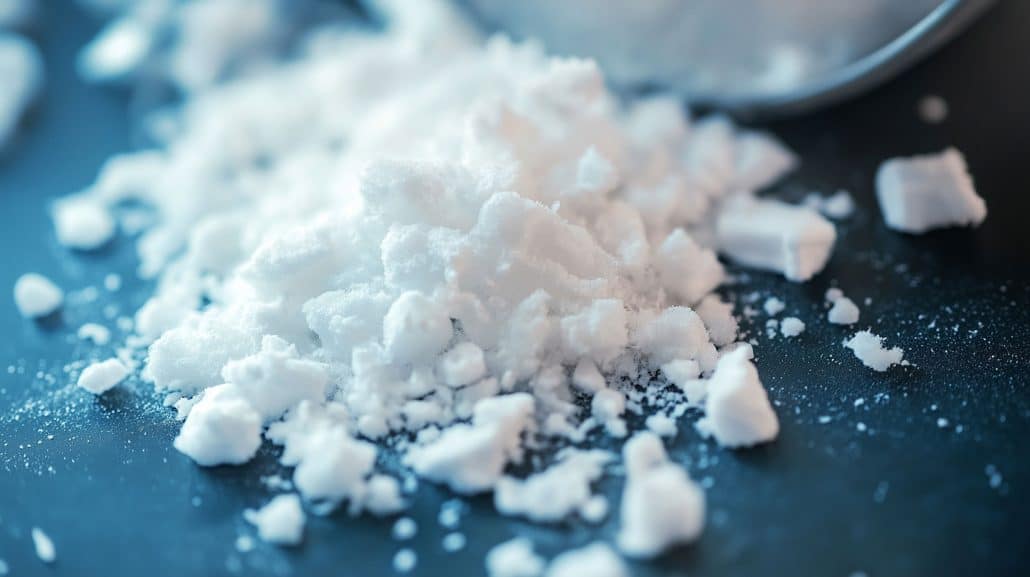
When people talk about the dangers of methamphetamine, they mean the drug itself. However, the reality is that crystal meth never comes in a pure form.
Dealers often mix methamphetamine with other substances to increase their profits. This can make taking crystal meth unpredictable and dangerous.
Today, we discuss one of the most common adulterants in meth – MSM.
In this article, you’ll learn all about MSM crackback and how to tell whether meth is contaminated.
What Is MSM?
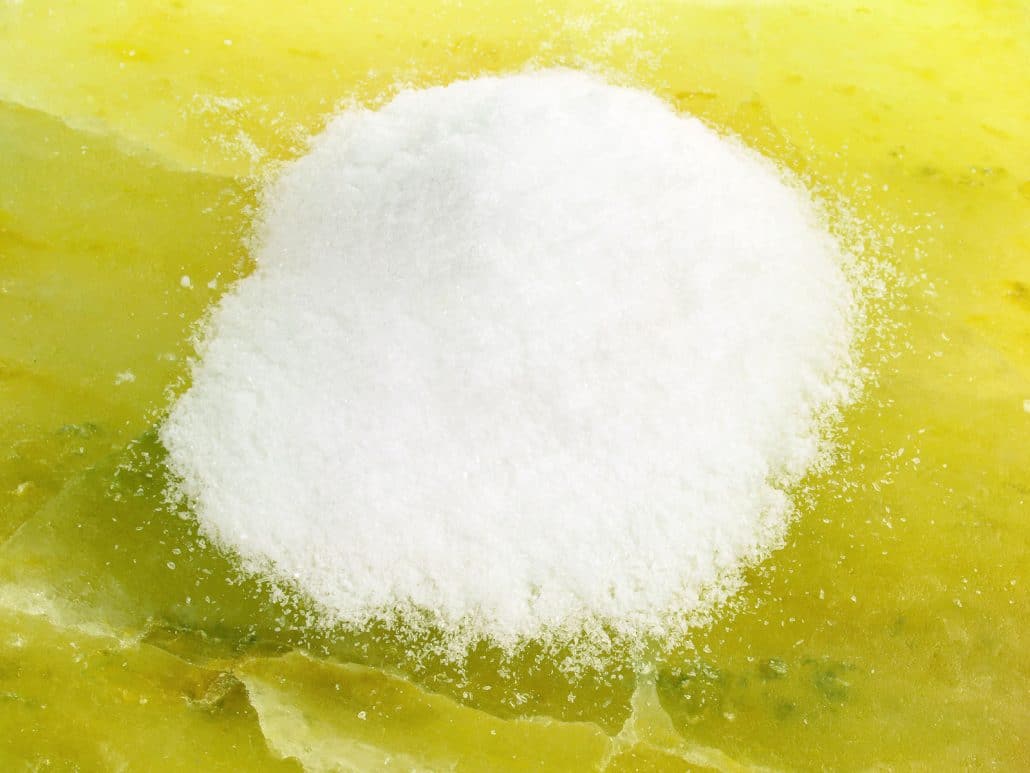
MSM, or methylsulfonylmethane, is a dietary supplement that can treat various health conditions.
Patients may take MSM to treat arthritis, ulcers, hemorrhoids, and constipation. It can also be used for liver problems, high blood pressure, Alzheimer’s disease, and HIV.
Because MSM looks similar to crystal meth, this substance is often used as a cutting agent. Dealers add MSM during the late methamphetamine production stage to make it bulkier.
What Is MSM Crackback?
MSM crackback refers to unusual crystalline patterns created by MSM.
When MSM is heated during drug use, you may hear a cracking or sizzling sound. It then melts into a liquid.
Once cooled, MSM recrystallizes. The residue from this creates a different-looking pattern that sticks to the inside of a pipe.
Pure methamphetamine has a crackback that shoots out from one point. On the other hand, MSM crackback looks like a series of stacked circles and squares.
If you notice these geometric shapes, the meth likely contains an additive like MSM.
Why Is MSM Used in Meth?
MSM is mixed into methamphetamine for the following reasons.
- Appearance and Texture: MSM is a crystalline powder. This white powder has a similar appearance and texture to the powder form of pure crystal meth.
- Weight: MSM is an adulterant that adds to the bulkiness of meth. Dealers mix MSM into meth so they can sell more meth for a fraction of the cost.
- Availability: MSM is an over-the-counter dietary supplement. It’s readily available, making it the perfect additive.
- Price: MSM is cheaper than meth. Therefore, dealers can earn more when they mix MSM into meth.
Other Adulterants
MSM isn’t the only additive dealers may use. In fact, meth can contain more than one impurity, especially when it passes through multiple hands.
Below are some possible adulterants you may not be aware of.
- fentanyl and Other Drugs: Sometimes, dealers add an opioid, like fentanyl, to create stronger effects. They may also add GHB or MDMA, which can put users in dangerous situations.
- Sugar, Salt, Milk Powders: Sugar and salt can’t produce a high. However, they can make smoking harsh and cause complications when injected.
- Caffeine: Caffeine is another common adulterant because it stimulates users. When combined with meth, caffeine can cause anxiety and other health risks.
Other Adulterants Found in Street Meth
MSM isn’t the only additive dealers use to cut meth. In reality, street meth often passes through multiple hands before reaching the end user. Each time it changes hands, there’s an opportunity for it to be re-cut with additional filler substances to increase the weight and maximize profit.
The manufacturing process itself can also introduce contaminants. Residual chemicals, solvents, and even metals from makeshift lab equipment can end up in the final product.
Below is a breakdown of the most common cutting agents found in methamphetamine, why they’re used, and the risks they carry.
| Cutting Agent | Why It’s Used | How to Identify | Health Risks |
|---|---|---|---|
| Isopropylbenzylamine (ISO) | Cheap imitation that mimics the look and texture of meth crystals | Produces a weak or nonexistent high; crackback pattern looks cloudy or oily | Nausea, headaches, and unknown long-term toxicity |
| MSM (Methylsulfonylmethane) | Crystalline powder that blends seamlessly with meth shards | Geometric crackback pattern (stacked circles/squares); melts at a lower temperature (227°F vs. 338°F) | Respiratory irritation when smoked; unknown injection risks |
| Fentanyl | Added to intensify effects or because of cross-contamination | Undetectable visually; use fentanyl test strips before use | Extremely high overdose risk, even in trace amounts |
| Synthetic Cathinones (Bath Salts) | Cheap stimulant substitute that mimics meth’s effects | Unusual or unpredictable high; excessive sweating and agitation | Paranoia, hallucinations, cardiovascular failure, and psychosis |
| Caffeine | Inexpensive stimulant that reinforces the energizing effect of meth | Bitter taste; may dissolve faster than meth in water | Heart palpitations, severe anxiety, and dangerous spikes in blood pressure |
| Sugar, Salt, and Milk Powders | Cheap, readily available counterfeit powders that add bulk | Harsh smoke; residue may taste sweet or salty | Lung damage when smoked; infections and vein damage when injected |
| Metals and Residual Chemicals | Not intentionally added — introduced during the manufacturing process from lab equipment and solvents | Metallic taste; discoloration in the product | Heavy metal poisoning, organ damage, and chemical burns to lungs and nasal passages |
Note: There is no reliable way to visually confirm what substances are in meth. The most accurate method is to use drug checking tools such as fentanyl test strips or FTIR spectroscopy analysis. If you or someone you know uses meth, these harm reduction tools can help identify dangerous adulterants before use.
Is MSM Dangerous?
When taken as intended, MSM is a safe supplement with few side effects. Patients may experience diarrhea or constipation if they take more than four grams a day.
That said, smoking or injecting MSM mixed into meth can be dangerous. It may result in unknown side effects that are yet to be studied.
Can MSM Make You High?
No. Methylsulfonylmethane can’t make you high. Dealers simply add it due to its similar appearance to crystal meth.
On its own, MSM is a natural dietary supplement that’s safe for most people. It isn’t addictive and has a low potential for drug abuse.
How Can You Tell When Meth Contains MSM?
Using meth comes with serious risks, and not knowing what’s in the meth is sometimes a bigger danger than the drug itself.
It’s difficult to tell when meth contains MSM. The MSM blends so well with the meth shards that you can’t identify it visually.
To know whether meth contains MSM and other substances, you have to do several tests.
- Use Test Kits: The most reliable method is to use analyses, such as FTIR spectroscopy. You may also try test kits to identify whether the meth contains other illicit substances.
- Check the Crackback: Meth crackback looks different from MSM crackback. If the crackback is geometric, the meth contains MSM.
- Consider the Scent: MSM is odorless in crystal form. Yet, it produces a strong, pungent aroma at the melting point.
- Feel the Crystals: Meth typically crumbles when rubbed between your fingers. MSM is harder than meth and may remain gritty between your fingers.
- Use a Thermometer: MSM evaporates at a lower temperature than meth. MSM will start to melt at just 227°F, versus meth, which melts at 338°F.
When to Seek Help
When a drug is adulterated, your body may react in unexpected ways. It’s important to pay attention to the warning signs.
If you feel something is wrong after meth use, seeking help can prevent a life-threatening situation. Be sure to consult with your doctor when you experience any of the following.
- You have chest tightness, harsh coughing, burning lungs, and difficulty breathing.
- You feel nauseated, dizzy, and confused.
- You notice physical signs like blue lips or fingertips.
- You’ve developed a meth addiction, and it’s taking over your life.
- Your mental health and personal relationships are suffering.

Long Island Interventions: An Addiction Treatment Specialist in New York
Long Island Interventions is a recovery center that caters to individuals seeking help and guidance. We have all the tools you need to overcome addiction and change your life for the better.
Learn about our treatment services below.
1. Intervention
Intervention is a process that helps patients understand the damage drug addiction causes to their lives. It’s an eye-opening first step that can motivate you to get clean.
Intervention involves sessions where you receive guidance from a trained professional. You’ll be in a safe, judgment-free space where you can learn, meditate, and grow.
2. Assessment
Assessment is where doctors and therapists check your medical history. Once we have a clear idea of your background, we can then recommend the best treatment program for you.
We personalize each treatment and consider your schedule and budget. We also verify your insurance during assessment to ensure your treatment is covered.
3. Detox
Detox is where we remove all the toxins from your body. It’s a crucial step because this is where you may encounter life-threatening withdrawal symptoms.
Some people experience anxiety, depression, tremors, and even seizures.
During detox, healthcare professionals watch your vitals and mental state to keep you stable and comfortable. In some cases, we can use medication to ease your symptoms.
The detox process can be wildly different depending on the substances you’re addicted to. So, if you’re taking meth that has been contaminated with other drugs, undergoing proper detox steps is vital.

4. Treatment
Treatment varies from patient to patient based on the degree of the addiction. Some can do with occasional visits to the center, while others require 24/7 monitoring for harm reduction.
Here are just some of the treatment programs available at Long Island Interventions.
- Outpatient Treatment: You don’t have to stop school or work to receive treatment. Outpatient treatment is a flexible program where you meet with a therapist for only one to two times a week.
- Intensive Outpatient: In an intensive outpatient program, you’ll attend sessions three times a week. It can provide you with sufficient support as you recover from addiction.
- Partial Hospitalization: Partial hospitalization is a structured program that you attend five to seven days a week. You may return home after sessions, making it perfect for those who want to stay close to family.
- Residential Treatment: Residential treatment is the most intensive program for those with severe addictions. Here, we provide you with 24/7 care until you recover from substance use.
5. Therapy
Therapy is the step that heals you mentally and spiritually. In many cases, addiction is caused by traumas and mental conditions that also need to be addressed.
These are examples of therapies you can find at Long Island Interventions.
- Individual Therapy: Individual therapies are one-on-one meetings that can help you identify the root cause of the addiction. It includes cognitive behavioral therapy and dialectical therapy.
- Group Therapy: Group therapy gives you a safe space to share your thoughts. You can learn from others and receive support during a tough time in your life.
- Dual Diagnosis: Dual diagnosis is a type of therapy that addresses addiction and mental issues simultaneously.
6. Continuous Support
Lastly, receiving continuous support is necessary to prevent future relapses.
Long Island Interventions prepares you for life outside of the facility. We take harm reduction seriously, and we use aftercare planning to help you build a stable life.
You can join our sober living program so you can better adjust, and you can receive counseling whenever you hit a tough spot.

Conclusion
So, what is MSM crackback, and how do you avoid it? To sum it up, MSM crackback happens when MSM is mixed into methamphetamine as a bulking agent.
MSM isn’t a dangerous drug when taken correctly. That said, it may have negative side effects when you inhale or inject MSM into your bloodstream.
To prevent accidents, it’s important to check for MSM crackbacks. Finally, always seek help from your doctor, especially if you’re experiencing adverse effects.
Long Island Interventions is here to guide you through the next steps. Just give us a call to start turning your life around today!
Written by: The Long Island Interventions Editorial Team
Published on: December 29, 2025
Updated on: May 1, 2026