Nearly half of the 50 states have legalized cannabis since 2012. As a result, it has gained popularity as a recreational drug. Although many believe that weed has fewer long-term health effects than other drugs and alcohol, recent studies attest to the contrary.
Research shows that the effects of cannabis on your brain, your heart, and your blood pressure begin immediately and continue over the long term. High blood pressure raises your cardiovascular risks, including chronic kidney disease, heart disease, heart attack, and stroke. Find out how to avoid these serious health problems and get answers to the question, “Does quitting weed lower blood pressure?”
Does Quitting Weed Lower Blood Pressure?
The answer is complicated, but ultimately, it will. If you use cannabis daily, you may develop a resistance to its immediate effects over time. For example, when you smoke or ingest weed, your heart rate may not speed up as much. Your blood pressure may not rise as sharply as it once did.

| Timeframe | What Happens to Blood Pressure | Why |
|---|---|---|
| While using daily | May appear normal or slightly elevated | Body builds tolerance to cannabis’s immediate effects |
| First 1-3 days after quitting | Temporary spike (up to +22.8/12.3 mmHg in some cases) | Rebound effect from loss of THC; withdrawal response |
| 1-4 weeks after quitting | Gradually normalizes | Cardiovascular system recalibrates without THC |
| Long-term (1+ months) | Stabilizes at or near your natural baseline | No more repeated spikes from use; sustained recovery |
When you stop using, especially if you quit cold turkey, you can experience a marked physical reaction. Your pulse rate and blood pressure rise. In a Johns Hopkins University study, daily marijuana users who abruptly stopped experienced significant increases in blood pressure during withdrawal, with some participants showing rises of up to 22.8 mmHg systolic and 12.3 mmHg diastolic. Researchers called this a rebound effect related to built-up drug tolerance. This is related to cannabis withdrawal and the effects of marijuana on the endocannabinoid system.
That is one reason it’s so important to quit weed under the care and guidance of health professionals. They will help you through initial rebound symptoms while mitigating the risks. If you have a history of heart attack, stroke, or diagnosed hypertension, this first window deserves extra attention.
Keep in mind that quitting weed will reduce your blood pressure in the longer term. When you no longer use it, you will no longer experience those immediate responses like a spike in your heart rate and hypertension. Over time, your blood pressure will stabilize to a normal level.
If you have other health issues, a treatment program can help you address those too. You can work to resolve factors that threaten your good health like obesity, poor nutrition and alcohol use disorder.
If you have developed chronic cardiovascular disease as a result of heavy weed use, you can take measures to get it under control with the help of your doctor. Quitting weed will not resolve such serious health problems, but it can help relieve some of your symptoms. It can also prevent a new chronic condition from developing.
What to Expect When You Quit: Timeline and Symptoms
When you stop using cannabis after regular use, your body needs time to readjust. Here’s what typically happens:
| Timeframe | Blood Pressure | Other Symptoms | What to Know |
|---|---|---|---|
| Days 1-3 (Peak withdrawal) | Rebound spike; cardiovascular changes at their peak | Elevated heart rate, irritability, difficulty sleeping, decreased appetite | This is the highest-risk window — medical monitoring is most important here |
| Days 4-14 | Begins normalizing | Mood changes, vivid dreams, residual sleep issues, brain fog | Physical symptoms are easing but mental/emotional symptoms may still be present |
| Weeks 2-4 | Should stabilize to pre-use levels or better | Cravings, mild anxiety may linger | Most cardiovascular symptoms resolved by this point |
| Beyond 1 month | Sustained normalization | Sleep patterns return to normal | Long-term cardiovascular benefits continue to build |
Treat these as milestones rather than a fixed schedule. Individual metabolism, how long you used, and whether you smoked or ate it all affect how quickly your body returns to natural functioning. Many people describe the first few weeks as a brain reset, with energy and clarity improving noticeably around the one-month mark.
The intensity of withdrawal varies based on how long and how heavily you’ve used cannabis. This is why medical supervision is important – health professionals can monitor your blood pressure during the transition period and intervene if rebound effects become dangerous.
How Does Marijuana Affect Blood Pressure?
Cannabis use affects your blood pressure right away. As soon as the drug enters your system, your heart rate quickens, pumping more blood through your veins and raising your blood pressure. Repeated marijuana use can strain your cardiovascular system, making you vulnerable to more serious health problems like heart disease.
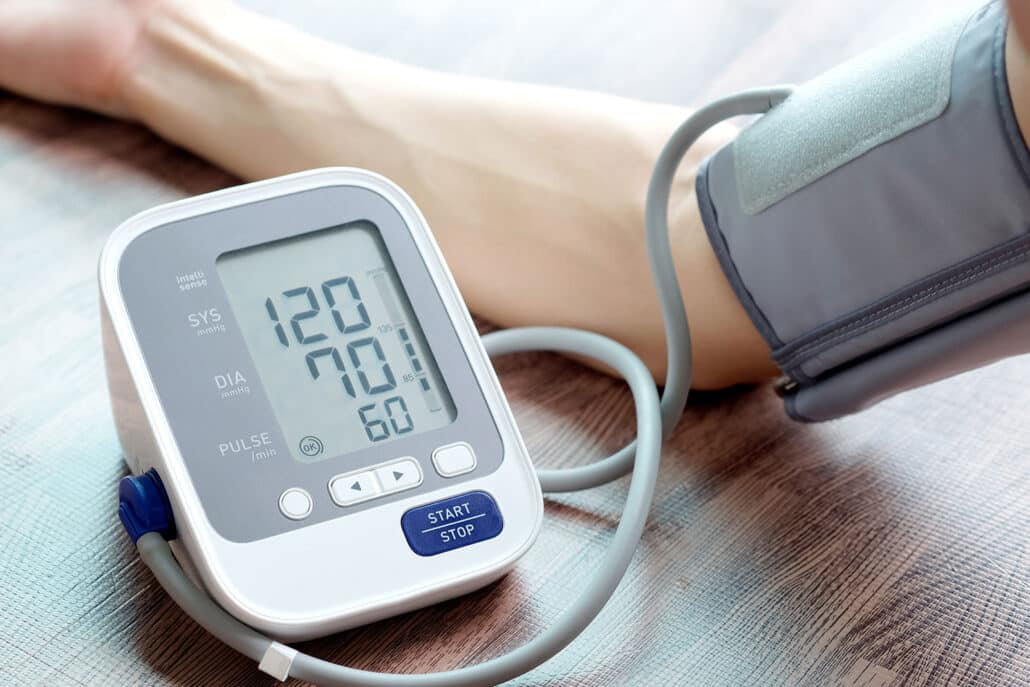
Systolic blood pressure is the first number when you get tested at your doctor’s office. It reflects the pressure of blood on artery walls during each heartbeat. Diastolic blood pressure is the second number, and it reflects the arterial pressure between heartbeats. For example, if your blood pressure is 120/80, the systolic reading is 120 while the diastolic reading is 80.
Although there is a need for further study with more long-term research, some recent studies do not bear out this weed use/blood pressure dynamic. A 2023 study published in Nature: Scientific Reports analyzed over 91,000 participants from the UK Biobank and found that heavy cannabis users experienced lower systolic and diastolic blood pressure compared to non-users, with effects more pronounced in women. The researchers noted this association was “too small to adopt cannabis-blood pressure public policy in clinical practice.”
In contrast, an analysis of 2005-2012 National Health and Nutrition Survey data found that recent cannabis use was associated with a modest increase in systolic blood pressure (1.6 mmHg) but no significant effect on diastolic blood pressure. These conflicting findings highlight the complexity of cannabis’s cardiovascular effects and underscore the need for more research – particularly on what happens when heavy users quit.
THC and CBD: Which One Influences Blood Pressure the Most?
THC and CBD are the two main cannabinoids in marijuana. They are the chief chemicals that create temporary changes in your brain when you use weed. THC stands for delta-9-tetrahydrocannabinol. CBD is an abbreviation for cannabidiol. Both substances occur naturally in the marijuana plant. Both affect the way your brain functions, but THC is the substance that produces a high. CBD has medical purposes but is not psychoactive.
According to the research, CBD slows down communication between cells in your brain, making you feel more relaxed. It also eases brain inflammation. Those properties are likely to make you feel better after you use a product with CBD. It can also affect calcium levels in the brain, which influence cell-to-cell communications.
On the other hand, THC produces a pleasure response in specific parts of your brain. It also stimulates the release of dopamine, which makes you feel euphoric. Different strains and preparations of weed contain various amounts of THC. Those weed products that are higher in THC produce stronger physical effects.
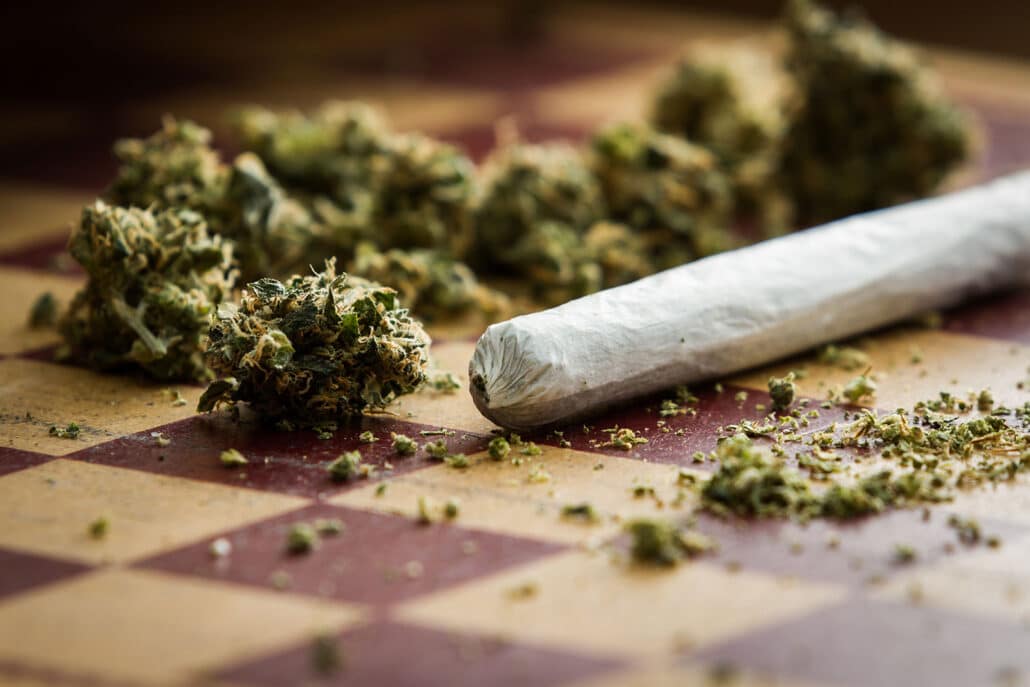
At the turn of the century, the average concentration of THC in weed was around 5.2%. By 2022, the average THC concentration had tripled to over 16%. Stronger weed with higher THC content has become the norm since many states legalized this drug. As a result, health concerns about the chemical are on the rise too.
Recent cannabis research that focuses on the health effects of THC tends to be inconclusive. Strict regulations for controlled substances in the past have limited the amount of research to date. However, with higher concentrations of the chemical THC in some strains of weed, medical professionals have identified higher health risks within the first hour of ingestion, including your risk for:
- Arrhythmia, or irregular heartbeat
- Cardiac arrest
- Cardiomyopathy, or damage to the heart muscle
Also, marijuana smoking often causes lung issues, lowering the level of oxygen in your blood to an unhealthy degree. Combustion byproducts irritate the airways, and the resulting airway inflammation can lead to long-term respiratory difficulties like:
- Asthma, a chronic disease which constricts your blood vessels
- Bronchitis, a lung disorder which causes swelling in your brachial tubes
- Emphysema, a chronic disease that damages your lungs, reducing the flow of oxygen to your bloodstream
Sustained hypertension is another risk associated with cannabis use, especially for smokers. Hypertension occurs when your blood pressure remains higher than normal over a sustained period. If you use weed on a daily basis, your blood pressure can remain elevated. Any of the following factors can increase your risk of illness or death:
- Advanced age
- Family history of high blood pressure
- Overweight
- Sedentary lifestyle
- Alcohol use disorder
- A diet high in salt
- High-fat diet
You can reduce some of the above risk factors and also improve your health in the future. The most important change you can make is to stop using weed, and if alcohol or other substance use is part of the picture, to address that at the same time. The health professionals at Long Island Interventions can help.
Additional Benefits of Quitting Marijuana
Improved cardiovascular health is not the only benefit of getting off marijuana. The changes show up in your body, your mind, and your day-to-day life.
Physical Health Changes
If you are a weed smoker, quitting helps the inflammation in your lungs begin to heal. Lung capacity and oxygen delivery improve as your respiratory system clears, and your resting heart rate tends to settle lower because your heart is no longer under repeated strain. You will be able to exercise more and improve your physical health.
You may also notice changes in appetite regulation, since THC drives hunger signals, and in body composition as eating patterns normalize. Hormone balance can shift as well. Cannabis affects testosterone, cortisol, and the endocrine system more broadly, so some people report improved libido and steadier energy a few weeks in.
When you no longer use marijuana, you can get back into a regular sleep routine that your body needs. Sleep quality often dips during the first week or two, then improves beyond where it was while you were using. Consistent, restful sleep is critical to your physical and mental health.
Mental and Emotional Well-being
Your brain will benefit too. If you are young, you will be giving your brain the chance to continue its normal development without the influence of drugs. If you are older, your short-term memory, unclouded by weed, will improve. Mental clarity and cognitive functioning return as dopamine signaling resets, and you should notice better work or school performance as your brain returns to its formerly healthy state.
If you have depression or anxiety disorders, quitting weed will help alleviate some of your symptoms. Although it may have initially helped lift your mood and reduce your anxiety, prolonged cannabis use makes these conditions worse. Expect some mood swings and emotional sensitivity early on. As your emotional regulation recovers, most people find greater emotional stability, resilience, and motivation and drive than they had while using.
Lifestyle, Social, and Financial Impacts
Daily use is an ongoing expense. Between the product itself and the purchases triggered by cravings, cannabis-related expenses can add up to thousands of dollars a year. Quitting brings immediate financial relief, and many people find they develop better spending habits once that line item is gone.
The social changes matter just as much. When weed is no longer your daily coping strategy, communication with others improves, and improved relationships with partners, family, and coworkers often follow. Increased productivity and reduced dependency give you back time and attention that were going to the drug. Legalization has raised the social acceptability of cannabis, but that does not change what it does to your body, and marijuana addiction recovery is a real and worthwhile goal.
How to Quit Weed Safely
Because of the blood pressure rebound described above, how you quit matters. A few practices make the process safer and more sustainable:
- Talk to your doctor first if you have high blood pressure or a heart condition. A monitored plan, whether gradual reduction or supervised cold turkey, is safer than stopping on your own.
- Clear your space. Removing cannabis from your environment, including paraphernalia and the routine areas where you used, cuts down on cue-driven cravings.
- Add structure. Fill the time you used to spend using. Regular meals, exercise, and a set bedtime give your body something to recalibrate around.
- Build coping tools. Good sleep hygiene, calming music or meditation, and a short list of people you can call when a craving hits are simple tools that work.
- Get support. Relapse risk is highest in the first month. Whether that support is a group, a counselor, or a treatment center, having it in place before you quit is the most sustainable method for long-term success.
How Long Island Interventions Can Help
Get professional help throughout your cannabis cessation journey. We offer both outpatient treatment and inpatient programs for quitting marijuana. Our providers and evidence-based addiction treatment programs help you achieve success through detox, treatment, therapy, and recovery. We can help you manage withdrawal symptoms and cravings associated with marijuana use disorder.
With a wealth of resources, training, and experience at hand, Long Island Interventions gives you the support you need. Our compassionate, evidence-based approach has a proven track record for success. Our licensed and credentialed professionals work to customize a treatment program that fits your current needs and future aspirations.
Our support doesn’t end when you complete your program. We can connect you with appropriate post-treatment resources such as support groups to keep you on a positive path to a healthy, happier life.
Conclusion
Professional guidance makes a real difference for anyone dealing with cannabis use disorder. Quitting cannabis, whether you smoke weed or use edibles daily, can be challenging because of withdrawal symptoms and the way the nervous system readjusts. Abrupt cessation can also bring short-term cardiovascular effects, including the temporary blood pressure spike covered above, which is why medical support is worth having in place.
If you or a loved one is facing substance abuse issues, don’t hesitate to reach out for help. At Long Island Interventions, we have the tools and expertise to guide you through cannabis detox and recovery. Contact us today to learn more about how we can support you in overcoming marijuana addiction and achieving lasting wellness.
FAQs
What causes increased heart rate after cannabis withdrawal?
How long does high blood pressure last after quitting weed?
Can quitting weed cause a heart attack or stroke?
Is it safe to quit weed cold turkey if I have high blood pressure?
Will my blood pressure be lower than before I started using weed?
Written by: The Long Island Interventions Editorial Team
Published on: December 31, 2024
Updated on: October 26, 2026