Marijuana, also called cannabis, weed, pot, and dope, is a type of flowering herb known for its mind-altering effects. This is due to the compound tetrahydrocannabinol (THC) found in the plant’s leaves and flowers.
Other cannabinoids, like cannabidiol (CBD), are also present in marijuana.
Although legalization is growing, marijuana is still a regulated substance under the federal Controlled Substances Act (CSA). It’s classified as a Schedule I controlled substance, carrying a high risk of substance abuse and addiction.
Besides substance use disorders (SUD), cannabis abuse has been linked to mental health issues, adolescent brain development impairments, and respiratory illnesses.
Unfortunately, the mind-altering plant remains a public health concern and one of the most abused federally illegal drugs in the US. Over 52 million people used cannabis in 2021, according to the Centers for Disease Control and Prevention (CDC).

In 2024, the National Center for Drug Abuse Statistics (NCDAS) reported 44.3 million Americans using marijuana monthly, many of whom are young adults.
If you or someone you know is struggling with cannabis use disorder (CUD), it’s important to know that help is available. Here are some effective intervention strategies and the best time to plan them.
What Is an Intervention?
An intervention, in simple terms, is a planned conversation between someone living with an addiction and their concerned loved ones.
It’s a structured process where friends and family members, in the guidance of a health professional, can discuss the problem of addiction. They express their experiences and feelings constructively, urging the person to seek treatment.
The goal is to break denial, a situation where the individual living with drug use problems minimizes or rationalizes their health issue.
A close family member can provide examples of destructive behaviors due to drug use and how they affect the entire family and their friends.
Once the seriousness and impact of the disorder are highlighted, a treatment plan is offered, alongside clear steps and goals.
The consequences for refusing treatment after an intervention are also explained. Parents or spouses may stop providing money and lodging to the individual, while friends can cut off their contact entirely.
This is a standard SUD intervention approach called the Johnson Model.
Why Intervention Matters For Marijuana Use
Like most addictive substances, the unregulated use of cannabis results in various physical and mental disorders.
A deteriorating brain health is among the known effects of long-term marijuana abuse. It specifically affects the brain areas responsible for learning, memory, attention, decision-making, problem-solving, and coordination.
This is why an abrupt behavior change in a person is often considered a sign of THC substance abuse, in conjunction with other withdrawal symptoms.
For instance, someone driving under the influence of marijuana is more likely to engage in reckless behaviors, increasing the risk of accidents, according to a study published by the National Institute of Health.
Similar to opioid and alcohol use, the intoxication of marijuana is potent enough to impair an experienced driver.
Research in psychiatry also found that hallucinations, delusions, psychosis, and mood swings are not uncommon in people abusing cannabis.
Marijuana users are vulnerable to developing or worsening several mental health conditions. Social anxiety, depression, and schizophrenia are mental illnesses linked to the addictive plant.
In addition to the brain and cognition, the person’s heart and lungs are also potentially impacted by weed smoking.
Studies show that cannabis raises heart rate and blood pressure after use, both high-risk factors for stroke and heart disease, while lung tissue can get scarred and damaged by the smoke.
The prevalence of CUD is a major health concern, with roughly 3 in 10 people who use marijuana suffering from the disorder. This is based on the National Survey on Drug Use and Health (NSDUH) data about past-year cannabis use and the DSM-5 CUD criteria.
Early intervention is crucial to reducing the negative consequences of CUD and marijuana dependence in adolescents and young adults.

Intervention Strategies For Marijuana Abuse
The Johnson Model isn’t the only approach you can use to convince someone to seek professional help. Depending on the situation, healthcare providers can employ several evidence-based models.
Below are other interventions and prevention strategies for friends and family members currently struggling with serious marijuana addiction.
Contingency Management (CM)
Contingency management is an evidence-based intervention technique endorsed by the Substance Abuse and Mental Health Services Administration (SAMHSA).
CM is a therapeutic intervention that encourages the individual to make positive behavioral changes toward recovery through incentives and rewards. It’s often used alongside other interventions.
This positive reinforcement approach is also used as a follow-up outpatient treatment for those who have completed rehab.
Rewards in CM can come from loved ones and close friends. These are usually tangible things, such as gift cards or cards, but can also include privileges like increased independence or additional personal time.
Benchmarks, goals, or milestones are decided beforehand.
On the flip side, failure to meet expectations can mean enforcing particular consequences to discourage unhelpful behaviors. Clinicians and counselors can withhold the rewards or privileges.
Contingency management is highly effective for substance abuse, particularly cannabis use disorder.
In a 2024 study on the effectiveness of CM for recovering CUD patients, the researchers found that 68.4% of the participants sustained their desire to abstain from marijuana use after the intervention.
Meta-analysis and systematic review further support CM’s efficacy in substance abuse treatment.
Motivational Enhancement Therapy (MET)
Motivation throughout recovery is a serious issue for many people admitted to a drug treatment program.
This is why maintaining and reminding patients of their internal and external drives to recover is crucial to achieving lasting abstinence. It’s especially important during the early stages of treatment.
Motivational enhancement therapy is a brief intervention technique predominantly employed to address alcohol and drug use problems.
It focuses on helping people find the conviction to alter destructive behaviors and increasing the motivation to give up their addiction and recover from the illness.
MET has been proven to be effective in resolving ambivalence among adolescent marijuana users by randomized controlled trials.
Those who receive the intervention are more willing, confident, and ready to change, with a substantial 16% decrease in cannabis abuse within two months of MET.
Expressing empathy, avoiding arguments, accepting resistance, and highlighting self-efficacy are key aspects of motivational enhancement therapy.
Cognitive-Behavioral Therapy (CBT)
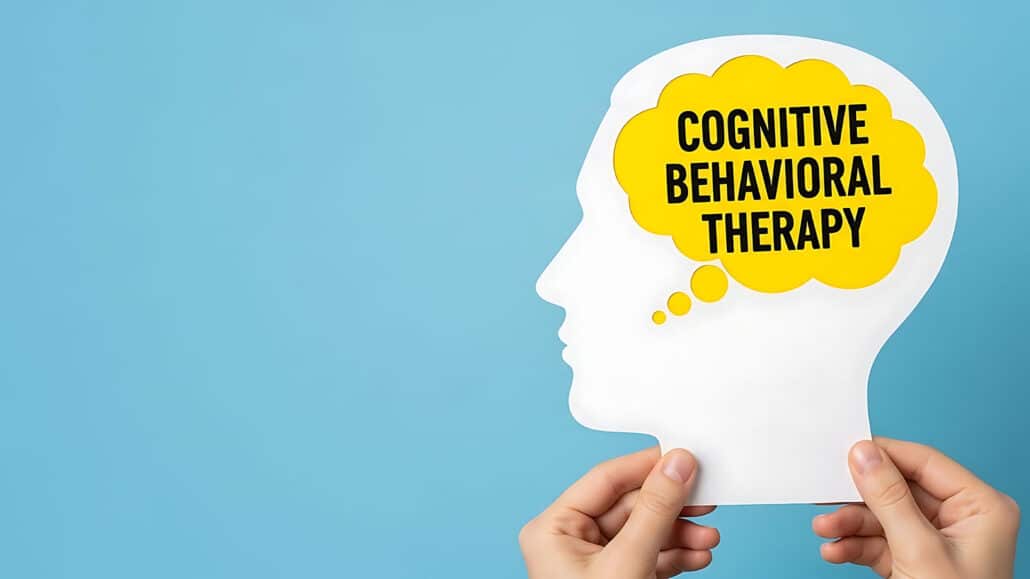
Cognitive behavioral therapy is a type of talk therapy. It’s widely considered to be one of the most effective interventions for various SUDs and mental health disorders, including cannabis dependence and addiction.
The therapy works by identifying triggers that reinforce substance abuse and developing coping strategies to address them.
The goal is to lay the groundwork for life-long healing outside rehab.
A successful CBT reduces the frequency of cannabis abuse, decreasing the risk of substance dependence.
Combining CBT with other popular approaches, such as motivational enhancement therapy and contingency management, results in better treatment outcomes.
Motivational Interviewing (MI)
Motivational interviewing is often used alongside MET. Both are focused on helping people become more motivated to change unhealthy habits and make responsible choices toward sobriety.
This counseling method is effective and is used in many contexts, including smoking, SUD, weight loss, cancer care, and marijuana abuse.
MI unfolds in two stages.
First, the therapist bolsters the person’s desire for recovery. They then encourage them to express their commitment to make the necessary changes out loud.
While simple, MI is shown to be strongly effective. Multiple studies have found that motivational interviewing substantially increases treatment retention when used as a preliminary step before other therapies.
Family Therapy
For adolescents and young adults engaging in substance abuse, family-based interventions are generally considered the best practice.
Family therapies recognize the role of the loved one and the community in recovery. These models emphasize that addiction is a problem encompassing the entire family unit, rather than a disorder experienced by the individual.
Functional family therapy, for one, identifies and modifies maladaptive family patterns that contribute to the adolescent’s resorting to marijuana abuse.
When Should You Intervene?
Don’t wait until marijuana abuse has come to the point where the individual endangers themselves or other people’s lives.
When they deny the problem, engage in reckless behaviors, lie about their situation, or exhibit signs of serious health deterioration, it’s time to plan and stage an intervention.

What Treatment Options Are Available For Cannabis Use Disorder?
There are several effective treatment options for cannabis use disorder. Healthcare providers decide which to prescribe based on the severity and unique situation of the patient.
Detoxification is standard in many programs, including those for CUD. Cognitive and behavioral therapies are provided in both inpatient and outpatient treatment settings.
Bottom Line
Staging an intervention for a substance use problem can be daunting—and for understandable reasons.
While planning a DIY intervention can work, working with an experienced expert, such as a professional interventionist, social worker, or therapist, can make the process easier and more emotionally manageable.
Find an interventionist near you. Take a step toward a safe and drug-free life with Long Island Interventions today!
Written by: The Long Island Interventions Editorial Team
Published on: April 30, 2026
Updated on: August 20, 2026