
Mixing any two drugs together can lead to dangerous interactions that cause harmful side effects. There are also times, however, when two drugs can be combined without considerable risk. Two drugs that are regularly taken together are weed and Tylenol with codeine.
Tylenol with codeine is commonly used to treat such ailments as muscle aches, headaches, and mild pain. Marijuana is also capable of easing pain symptoms, which is why some people combine weed and Tylenol that contains codeine.

To understand just how often these drugs are used, over 60 million Americans take Tylenol every week. In 2019, more than 48 million people took weed in some manner. Even though cannabis and Tylenol are often taken together, there’s always the possibility of an unexpected interaction. In this guide, you’ll discover what these interactions might be.
Quick Reference Guide: Weed and Tylenol with Codeine
| Aspect | Key Information |
|---|---|
| Primary Risks | • Respiratory depression (can be fatal) • Liver damage from acetaminophen • Increased sedation and impairment • Risk of opioid dependence |
| Drug Interactions | • Both metabolized through liver • 393 drugs interact with cannabis • 114 drugs interact with Tylenol with codeine |
| Emergency Signs | • Slow/stopped breathing • Unresponsive/cannot wake up • Blue lips or fingernails • Jaundice (yellowing skin) |
| Legal Status | Legal in 24 states with full cannabis legalization Illegal in 6 states (ID, KS, NE, NC, SC, WY) |
Basic Pharmacology
A. Weed (Cannabis) – Weed is comprised of more than 480 constituents. The primary ingredient that causes psychoactive effects is THC, which is taken directly from the Cannabis sativa plant. Cannabis is often taken as medical marijuana because of its many therapeutic uses. The most common uses include pain relief and anti-nausea. However, marijuana can also combat seizures, epilepsy, eating disorders, and cancer.
B. Tylenol with Codeine – Codeine is a type of opioid pain reliever that’s part of a class of medications known as opiate analgesics. The primary purpose of prescribing codeine is to treat pain. The drug works by altering how the nervous system and brain respond to pain.
Let’s say that codeine is taken to relieve a bout of coughing. In this scenario, the drug will limit the activity that occurs in the area of the brain that promotes coughing. Tylenol (acetaminophen) with codeine is often combined with codeine to boost the pain-relieving effects. Tylenol is able to change how a person’s body senses pain.
The primary uses of Tylenol with codeine include minor pains and aches, which extend to everything from arthritis and toothaches to menstrual cramps. There are three medications that shouldn’t be used when taking Tylenol with codeine, which include lonafarnib, pexidartinib, and pretomanid.
Interactions Between Cannabis and Codeine
Tylenol with codeine is often prescribed to reduce pain and other health issues that people might be suffering from. While codeine is able to relieve pain, it’s commonly used by itself as an ingredient in prescription-grade cough syrups. Tylenol with codeine cools the body and changes how the body feels pain. Codeine is also able to change how your body responds to pain, which is why these two medications are often put together.
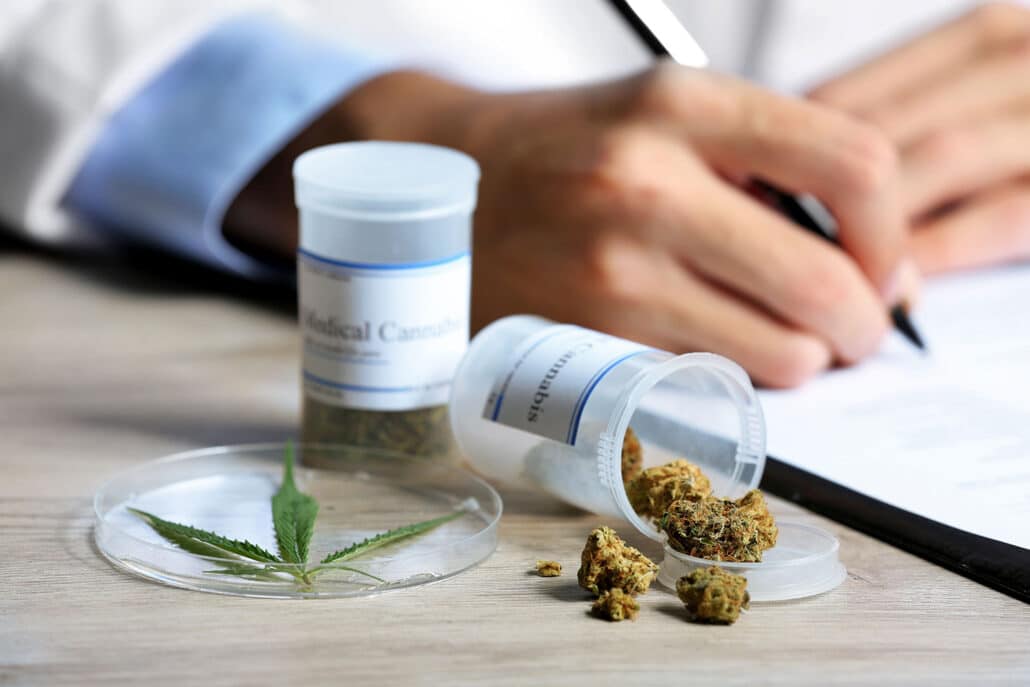
If you take weed without any other drugs, you’ll experience various effects within your brain. The THC ingredient is capable of reacting with certain cell receptors to create a “high” sensation. The primary effects you’ll experience include:
- An altered sense of time
- Impaired memory
- Impaired body movement
- Mood changes
- Issues with problem-solving and thinking
There are also certain physiological and psychological risks that occur when you take a high amount of Tylenol with codeine or cannabis. High doses of marijuana have the potential to cause hallucinations, delusions, or psychosis. You might also encounter an increased heart rate or vomiting.
Taking weed and Tylenol with codeine together is sometimes done to achieve a stronger pain-relieving effect. However, there are potential interactions. With high doses, there can be an increased risk of liver damage, as cannabis can alter how your body processes acetaminophen. Combining them can also intensify side effects like drowsiness and dizziness. Risks are present with nearly any medication, which is why it’s important to exercise caution when combining different substances.
How These Substances Interact in the Body
Cannabis works primarily through the body’s endocannabinoid system (ECS), with THC binding to CB1 receptors in the brain and nervous system. This interaction affects pain perception, mood, and cognitive function. Meanwhile, both cannabis and acetaminophen are metabolized through the liver’s Cytochrome P450 enzyme system, which breaks down many medications and substances. When taken together, they compete for these same liver enzymes, potentially affecting drug metabolism and increasing the risk of liver damage. Acetaminophen works by inhibiting prostaglandins—chemicals that cause inflammation and pain—while codeine is converted to morphine in the liver and acts on opioid receptors to reduce pain signaling.
Potential Risks and Side Effects
Combining weed and Tylenol with codeine carries significant and potentially life-threatening risks and should only be done under strict medical supervision. The primary risks include:
- Life-Threatening Respiratory Depression: This is the most serious and immediate risk. Codeine (an opioid) and cannabis are both central nervous system depressants. When taken together, they can amplify each other’s effects, causing breathing to become dangerously slow or stop completely, which can lead to brain damage and death.
- Risk of Opioid Addiction and Dependence: Codeine is an opioid with a high potential for misuse, physical dependence, and addiction (opioid use disorder). Using it with cannabis can intensify the euphoric effects, which may increase the risk of developing an addiction.
- Extreme Sedation and Impairment: The combination can cause severe drowsiness, dizziness, confusion, and impaired coordination. This makes driving a car or operating any machinery extremely dangerous.
- Risk of Severe Liver Damage: The acetaminophen (Tylenol) component can cause severe, irreversible liver damage or failure if taken in high doses or used for a long period. This risk is present even if the codeine or cannabis doses are low.
The concern for dependency or addiction is significant. Because codeine is an opioid, the body can become physically dependent on it over time, leading to withdrawal symptoms and potentially requiring a higher dose to get the same effect.
Case Studies or Real-Life Examples
In 2017, a cross-sectional study was performed in Canada titled “Canadian Tobacco, Alcohol, and Drugs Survey”. The purpose of this study was to identify the association between cannabis and Tylenol with codeine.
Of the more than 15,000 respondents, around 3,338 used some amount of cannabis over the past 12 months. Among the people who took cannabis, more than 36% stated that they were using the drug for medical purposes. Respondents who took cannabis for medical reasons were around three times more likely to use codeine alongside it.

Only a small number of studies have been performed on the effects of taking weed and Tylenol with codeine at the same time. None of these studies have tested the long-term effects. However, the 2017 survey found that many of the people who were taking cannabis for medical reasons were doing so to relieve substantial pain. Respondents who combined the two drugs were more likely to state that they were in fair or poor health.
A literature review that was taken in 2021 studied how weed interacts with acetaminophen. It was found that cannabidiol, which doesn’t contain THC, can boost the health of a person’s liver. In the years to come, additional studies will likely be performed to test how these two drugs interact with one another. For now, the interactions appear to be mild.
Medical Recommendations
Some healthcare professionals advise that people should be mindful of the various risks associated with mixing cannabis and Tylenol with codeine together. Since both of these drugs are processed in the liver, their effects can be combined to produce a more potent reaction, which is why caution is necessary.
If you have a liver condition or are currently breastfeeding, speak to your doctor before you mix these drugs together. You should also ask your doctor about mixing these drugs with any other medications you might be taking. Keep in mind that 393 drugs are capable of interacting with cannabis. Around 114 drugs can interact with Tylenol with codeine.
Legal Implications
The combination of weed and Tylenol with codeine is legal in every state where weed is legal. Currently, 24 states have fully legalized weed, which means that combining these two drugs is legal.
There are also states that allow weed to be used for medicinal purposes or only allow CBD oil. For instance, weed can only be taken as CBD oil in Iowa and Indiana. There are only six states where this combination would be illegal because of the full illegality of weed, which include Idaho, Kansas, Nebraska, North Carolina, South Carolina, and Wyoming.

Safe Use and Harm Reduction
If you have too much Tylenol with codeine in your body, you can experience a life-threatening overdose. It is critical to understand that this medication contains two drugs with different overdose profiles: an immediate opioid overdose (from codeine) and a slower liver poisoning (from acetaminophen).
A. Acute Opioid (Codeine) Overdose (A MEDICAL EMERGENCY)
This is an immediate, life-threatening emergency caused by the codeine, and it can be worsened by the sedative effects of cannabis. Unlike acetaminophen poisoning, this happens rapidly (minutes to hours).
Call 911 immediately if you see these signs:
- Slow, shallow, or stopped breathing
- Extreme drowsiness; the person cannot be woken up (unresponsive)
- Blue or purple lips and fingernails
- Pinpoint (very small) pupils
- Choking or gurgling sounds
What to do:
- Call 911 immediately. State that someone is unresponsive and not breathing.
- Administer naloxone (Narcan) if available. This medication is safe to use and is designed to rapidly reverse an opioid overdose. It is available in many states without a prescription.
- Try to keep the person awake and breathing.
- Stay with them until emergency services arrive.
B. Acetaminophen (Tylenol) Poisoning (Liver Failure)
This risk comes from taking too much acetaminophen, which causes severe liver damage. The symptoms of this poisoning are slow to appear and occur in stages over several days:
- Stage One (first 24 hours), you might have nausea or vomiting, or no symptoms at all.
- Stage Two (24-72 hours) can involve vomiting and abdominal pain as liver injury begins.
- Stage Three (after a few days), liver failure becomes severe, which can include jaundice (yellowing of the skin), confusion, and bleeding.
- Fourth and Final stage is either recovery or full liver failure, which can be fatal.
Conclusion
While cannabis and codeine-containing medications are widely used, combining them poses serious health risks including respiratory depression, excessive sedation, and overdose. In fact, many states have already legalized weed use. It’s possible, however, to become dependent on these drugs if you take large doses or consume them more often than you should. Substance use should always occur in a safe manner. If you notice any symptoms of an overdose, seek medical attention immediately. Call Long Island Interventions for more information.
Frequently Asked Questions
Is it safe to combine weed and Tylenol with codeine?
Can I use over-the-counter pain relievers with cannabis instead?
What should I do if I’m already taking both for chronic pain?
Written by: The Long Island Interventions Editorial Team
Published on: August 30, 2023
Updated on: January 13, 2026