Cocaine has many adverse side effects (which may also cause long-term effects on your health), one of which is a perforated nose! Even if it’s sporadic, people who snort cocaine are at risk of nasal problems, including infection, collapse, and a perforated septum.
The most drastic way to heal a perforated septum is through reconstructive surgery. However, if the issue doesn’t affect normal respiratory functions, you might just apply topical treatments to promote healthy healing.

In this article, we’ll tell you everything you need to know about perforated septums and how to heal a hole in the nose from coke.
TL;DR: For a small perforation from snorting cocaine (commonly known as “coke nose”), start with non‑invasive care—saline sinus rinses, topical antibiotic ointments, vitamin E, and moisturizing petroleum jelly can support healing and prevent infection. If the hole is larger or impacting breathing, consult an ENT specialist—surgical intervention or tissue grafting may be necessary.
What Is Cocaine Nose?
A cocaine nose hole is nose damage caused by a low blood supply to the tissue located in the septum, which is the part that separates the nostrils.
Unfortunately, one of the most common side effects of abusing cocaine is a puncture inside the nasal cavity and sinus infections, otherwise known as nasal septal perforation and nasal septum.
Snorting, in particular, can result in numerous nasal issues. Not only does the powdered cocaine come into close contact with the nasal tissue, but this tissue is highly vascular.
This means that snorting even a tiny bit of cocaine and other substance use will likely damage the inner lining of the nose, which may also affect you or your loved one’s sense of smell and causes other serious problem.
How Cocaine Use Affects the Nose
The reason cocaine causes septal perforation is that it cuts off the blood supply to the nasal tissue because it’s a potent vasoconstrictor. So, your nose goes from having a high blood supply from all the small vessels surrounding it to almost none.
Hence, nose tissue will weaken and be more susceptible to injuries due to reduced circulation. Moreover, this insufficient supply of blood might lead to the death of some parts of the nasal tissue.
Over time, the dead tissue will open up, causing a hole. In addition, the septum might even collapse and deviate to one side, plugging one of the nostrils.
Early Warning Signs of Cocaine-Related Nasal Damage
| Symptom | What It Means | When to Seek Help |
|---|---|---|
| Frequent nosebleeds | Damaged blood vessels, thinning tissue | If occurring weekly or worsening |
| Chronic nasal congestion | Inflammation, swelling of nasal passages | If lasting >2 weeks despite treatment |
| Nasal dryness/crusting | Reduced mucus production, tissue irritation | If severe or causing pain |
| Loss of sense of smell | Damage to olfactory nerves | Immediately—may indicate significant damage |
| Whistling sound when breathing | Possible small perforation developing | Within days—early intervention possible |
| Recurrent sinus infections | Compromised tissue, poor drainage | If occurring >3 times per year |
Progression of Cocaine-Induced Nasal Damage
| Stage | Tissue Changes | Visible/Felt Symptoms | Reversibility |
|---|---|---|---|
| 1. Initial Irritation (Days-Weeks) | Inflammation of mucous membranes, vasoconstriction | Dryness, burning sensation, minor congestion | Fully reversible with cessation |
| 2. Tissue Breakdown (Weeks-Months) | Reduced blood flow, ulceration begins, scabbing | Frequent nosebleeds, crusty scabs, pain | Partially reversible; permanent changes possible |
| 3. Perforation (Months-Years) | Cell death (necrosis), hole forms in septum | Whistling, visible hole, difficulty breathing through nose | Not reversible without surgery |
| 4. Advanced Damage (Years) | Cartilage collapse, “saddle nose” deformity | Visible nose collapse, chronic infections, severe breathing issues | Requires reconstructive surgery; may not be fully correctable |
Full Spectrum of Cocaine’s Effects on the Nose
| Severity | Symptoms/Effects | Medical Terminology |
|---|---|---|
| Mild | Nasal dryness, occasional nosebleeds, congestion, reduced sense of smell | Rhinitis, epistaxis |
| Moderate | Chronic scabbing, recurrent sinus infections, persistent nosebleeds, nasal pain | Chronic rhinosinusitis, ulceration |
| Severe | Septal perforation (hole in septum), whistling when breathing, visible deformity | Nasal septal perforation |
| Critical | Septal collapse, “saddle nose” deformity, complete nasal obstruction, chronic infections | Saddle nose deformity, nasal collapse |
How to Heal Cocaine Nose
Unfortunately, a hole in the nose won’t heal on its own. After all, there likely isn’t any healthy tissue to recover in the first place. Also, if the damage covers a large area. There’s no way to treat cocaine nose without a graft.
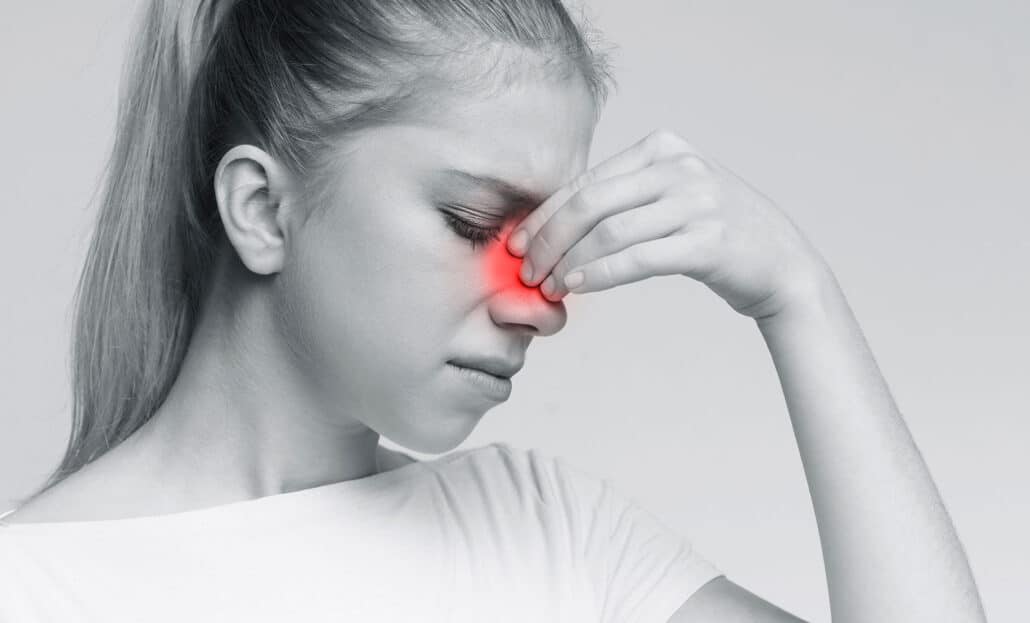
On the other hand, if the hole is small, it’s less likely to cause functional problems. So, you’ll only need to try any of the topical treatments mentioned below to prevent further damage.
It’s worth mentioning that if you leave cocaine nose untreated, it might result in the following:
- Difficulty breathing
- Pain
- Foul smell
- Increased risk of infection
- Chronic rhinosinusitis
For this reason, it’s crucial to heal the perforated septum by using any of the following methods:
Topical Treatment
A topical treatment is the first step in healing a hole in the nose. While these superficial measures won’t completely treat cocaine nose, they’ll prevent its progression and reduce the risk of other infections.
Even if you get surgery to treat the perforated septum, you’ll still need to regularly clean your nose and apply ointments to your nose to promote healing.
The topical treatments include the following:
Sinus Flush
A sinus flush can be uncomfortable. However, it can significantly improve the cocaine nose due to drug abuse or other substance abuse.
That’s because flushing removes any excess cocaine that might be left after snorting. It’s also a sure way to remove dirt, dust, pathogens, and any dead tissue from the perforated area.
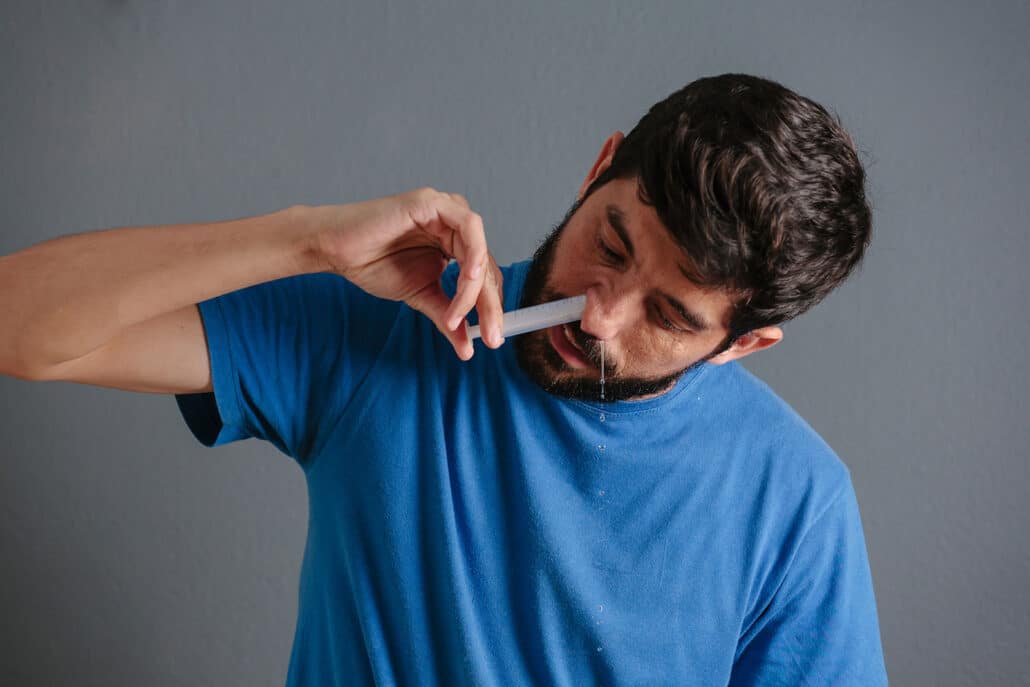
You can simply do a sinus flush at home by following these steps:
- First, get an over-the-counter saline solution from your local pharmacy.
- You can also make your own solution at home by mixing warm, sterile water and salt.
- Next, stand over the sink and tilt your head to one side.
- Use a syringe or a squeeze bottle to pour the saline solution up one nostril.
- Hold the saline solution for five seconds while breathing through your mouth.
- Then, allow the solution to pour out of the other nostril into the drain.
- Repeat the steps once or twice, alternating nostrils.
- Lastly, gently blow your nose to clear out any mucus.
Petroleum Jelly
Petroleum jelly, or Vaseline, is an ideal topical treatment. It locks in moisture and protects the skin from further injury.
Moreover, petroleum jelly can significantly soothe a perforated septum. This reduces inflammation and pain while promoting healthy healing of the hole.
That said, this ointment has been linked to certain types of pneumonia. That’s why you should be careful when applying petroleum jelly to your nose.
Using the tip of your finger, lightly apply a small amount of Vaseline just outside your nose. You might also apply a small amount just inside your nose. However, avoid going deeper or applying the ointment directly to the septum.
Vitamin E
If you don’t have petroleum jelly on hand, vitamin E might be the next best thing. This vitamin is rich in antioxidants which are vital for healthy skin and reducing inflammations.
The reason is that they prevent cellular degeneration and damage from free radicals. Simply put, antioxidants can significantly slow down the death of the nasal tissue!
Several studies show that vitamin E can boost wound healing and protect against resistant strains of bacteria.
Medical Evaluation for Infection Risk
Cocaine-induced nasal damage can compromise the tissue’s blood supply and natural ability to fight infection, making professional medical assessment essential. However, self-treating with over-the-counter antibiotics is not appropriate.
Why Professional Care is Necessary:
If you have experienced cocaine-related nasal damage, you must see an ear, nose, and throat (ENT) specialist or physician for evaluation because:
- They can accurately assess the extent of damage and identify any active infection
- Compromised nasal tissue requires targeted, professional treatment—not OTC products
- An infection in damaged tissue can escalate quickly and cause serious complications
- A healthcare provider can prescribe appropriate antibiotics if needed, or recommend other treatments such as medical debridement or surgical repair
- Unnecessary use of OTC antibiotics contributes to antibiotic resistance
Do Not Self-Treat:
Do not apply over-the-counter antibiotic ointments like Neosporin without medical diagnosis and guidance. This can delay necessary professional care and may mask worsening infections.

Surgical Intervention
If the hole in the nose causes major obstruction, the most effective course of action would be reconstructive surgery to close the hole by rearranging the nasal tissue.
In severe cases, a skin graft might be used to close the hole. Then, after one to two months, the nasal septal perforation will have healed completely.
Conclusion
So, how to heal a hole in the nose from coke use?
One of the effects of cocaine (cocaine abuse) is it severely limits the blood flow to the nasal tissue, leading to cell death and even holes. Hence, a perforated septum is one of the most common adverse effects of snorting coke.
If the hole is small enough, doing sinus flushes and applying healing ointments should be sufficient to contain the damage to the coke nose.
However, if the perforated septum obstructs breathing and airflow results in a nasal or saddle nose deformity or collapse of the nose, healthcare should be prioritized, a treatment option like surgical intervention might be necessary to avoid further damage. In this case, nasal reconstructive surgery or plastic surgery can close the hole.
FAQ
How long can you live with a perforated septum?
Written by: The Long Island Interventions Editorial Team
Published on: March 7, 2023
Updated on: February 7, 2026