
Many people use cough remedies containing dextromethorphan, also called DXM, for quick cough relief. Its effectiveness is well known in over-the-counter medicines like Robitussin, and it is a widely used ingredient in many different cough remedies. But when DXM is combined with another strong substance like alcohol, users put themselves at great risk for harm. So what is dextromethorphan, and how does combining alcohol and Robitussin affect those with substance abuse issues? Let’s look at what you need to know if you or someone you love is using alcohol and DXM.

What is DXM?
Dextromethorphan is a widely used cough suppressant ingredient that has been around since the 1950s. This ingredient works by acting on the cough center in the brain to suppress the cough reflex. Chemically, DXM is a synthetic drug in the morphinan family, related to opioids but without typical opioid pain-relieving effects at normal doses. Its abuse potential has a long history: Romilar, an early DXM tablet brand, was withdrawn from over-the-counter sale in 1973 because of widespread misuse, and DXM was afterward sold mainly in syrup formulations designed to discourage abuse. The ingredient itself has remained FDA-approved and available since 1958. More than 100 different OTC and prescription cough and cold medicines contain this ingredient in some strength like
- Dayquil syrup and liquicaps
- Delsym
- Mucinex DM
- Phenergan DM
- Robitussin DM
Effects of DXM
When dextromethorphan is an ingredient in a cough suppressant medication, the compound’s primary expected effect is a reduction in an urge to cough. But this strong medicine does more than just tell your brain to cough less. When DXM is the key ingredient in a cough and cold medicine, users will also experience other strong effects like dizziness or lightheadedness. As a result, users are told to avoid driving or operating heavy machinery for up to six hours after ingesting a medicine with this ingredient.
Another common side effect of medicines containing this ingredient is drowsiness. But those who need cough and cold remedies often feel poorly and feeling sleepy can be a positive side effect when coughing or congestion keeps them from sleeping soundly. Along with sleepiness, those who use OTC or prescription medicines with this ingredient also may have impaired judgment or lessened mental alertness. So medical professionals encourage users to limit activities that require participation in any decision-making activities while the compound is active.

Misuse of Dextromethorphan
For some, though, the side effects of DXM are precisely why these OTC or even prescription medicines are used. Substance abuse of dextromethorphan occurs when a user seeks the side effects of the ingredient without needing it for cough suppression. By ingesting large doses of this ingredient, users report feeling an “out of body” experience that is similar to phencyclidine (PCP) or ketamine which is often called “robo-tripping,”. This floating feeling can last up to six hours or more and chronic users can have heightened effects, especially when combined with other substances like alcohol. To disguise the taste, users often mix cough syrup with soda or candy, making it difficult to detect medicine misuse.
Some of the short-term side effects of misuse can be dry mouth, fast heart rate, headache, nervousness, upset stomach, diarrhea or constipation, and the typical drowsiness and dizziness that come with the ingredient’s use. But long-term abuse of this substance can result in much more dire side effects, partially due to the fact that users build up a tolerance and need larger and larger amounts of it to produce the high effects. Over time, heavy chronic misuse has been associated with serious problems including toxic psychosis, memory difficulties, and cognitive impairment, and seizures can occur in cases of overdose.
Long-term abuse can result in many devastating side effects, such as:
- agitation
- difficulty speaking or confusion
- drop in body temperature
- face discoloration (blue or pale)
- hallucinations
- mania
- nausea
- paranoia
- slowed breathing
- vision and coordination problems
- vomiting
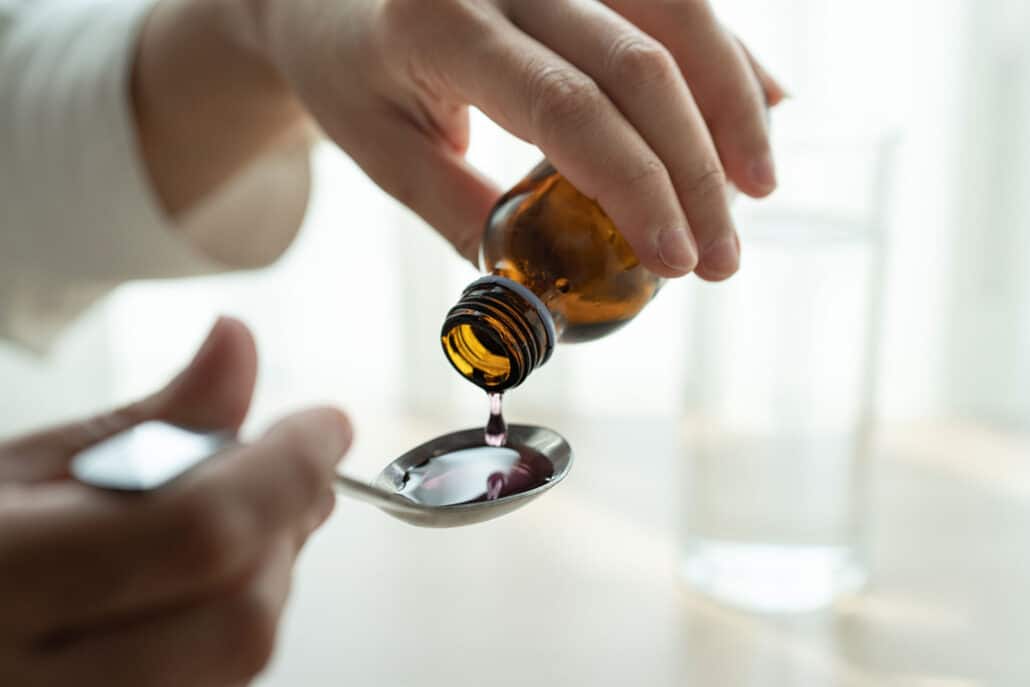
Mixing DXM and Alcohol
A sometimes-deadly combination of abused substances is the misuse of alcohol with a product containing dextromethorphan. When two system depressants are used together, the body can slow down dangerously, creating a powerful effect on the brain. Users will experience a slowed sense of coordination and ability to make judgments while also feeling a dulling of the senses. Some users who combine these two feel nauseous and experience vomiting as well. When alcohol and DXM are combined, the impairment can last many hours, considerably longer than either substance alone, and users may feel lingering aftereffects into the following day.
But the most dangerous side effect of both substances is respiratory. The body’s ability to breathe is slowed down by alcohol and dextromethorphan, creating an unsafe situation for users because combining these substances puts users at risk of respiratory failure. Those that have developed a tolerance to lower quantities of the combo and therefore increase the volume they ingest are at an even higher risk of respiratory failure, which can lead to death.
Interactions
Cough suppressant medicines interact with a large number of other drugs, and several of these interactions are serious. The most dangerous is with monoamine oxidase inhibitors (MAOIs), such as phenelzine, isocarboxazid, or the antibiotic linezolid: taking DXM with an MAOI, or within 14 days of stopping one, can trigger serotonin syndrome, a potentially fatal reaction. The same risk exists, to a lesser degree, when DXM is combined with serotonergic antidepressants like SSRIs and SNRIs. Watch for symptoms such as agitation, rapid heart rate, high fever, and muscle rigidity, and seek emergency care if they appear.
DXM also has additive sedating effects with other central nervous system depressants. Combining it with alcohol, diphenhydramine (Benadryl), gabapentin, benzodiazepines, or opioids increases drowsiness, impairment, and, at high doses, the risk of dangerously slowed breathing. Even mild sleep aids like melatonin can add to the drowsiness, though melatonin itself does not depress breathing.
But interactions, as well as side effects of any medicine or chemical, also depend on the user’s sex, age, general health, genetics and other drugs used simultaneously. So a combination of medicines that appears safe for one person may have dangerous or deadly consequences for another person. In addition, combining the use of DXM with alcohol produces extra strain on the liver for any user. Since many cough suppressants also contain other OTC medicines like acetaminophen (the active ingredient in Tylenol), those who misuse them risk liver toxicity and liver failure since the organ will be taxed with excess use of all of the ingredients in the cough suppressant along with the physical harms alcohol abuse brings.
Alcohol, DXM and Pregnancy
The risks of alcohol during pregnancy are well documented: there is no known safe amount, and health authorities advise avoiding alcohol entirely while pregnant. Dextromethorphan is generally considered lower risk when used as directed for short periods, but misusing cough medicine at high doses during pregnancy has not been well studied and should be avoided. If you’re pregnant and struggling to stop using either substance, talk to your doctor; help is available without judgment.

Signs of Misuse
One of the ways that family members, friends, or other loved ones notice misuse of this common but sometimes deadly substance simply hears some of the slang terms for its use. In addition to robo-tripping, users may use it for a high as candy, skittles, tussin, triple C, red devil, velvet, vitamin D and dexing.
If you suspect someone you know is misusing alcohol and Robitussin-type products, you may observe behaviors like being excessively tired for long periods of time, mental fog or confusion, slowed breathing and a lack of motor skills or awareness. Other signs of misuse, in addition to the short- and long-term symptoms, can be:
- extreme anxiety or panic attacks
- hot flashes and agitated behavior
- loss of rational activity or thinking
- seizures
- severe nausea or excessive periods of vomiting

Getting Help
If you or someone you know is struggling with alcohol or substance abuse, help is right around the corner. Don’t delay in getting support for yourself or your loved one. Expert help for alcohol or drug misuse is just one call away. For help with alcohol abuse, call Long Island Interventions for information on alcohol treatment.
FAQs
What happens if you take Robitussin and drink alcohol?
How long after Robitussin Can I drink alcohol?
Related Reads on Alcohol & Medications
- Flagyl and Alcohol
- Meloxicam and Alcohol
- Alcohol and Robitussin
- Fluconazole and Alcohol
- Diverticulitis and Alcohol
- Penicillin and Alcohol
- Doxycycline and Alcohol
- Bactrim and Alcohol
Written by: The Long Island Interventions Editorial Team
Published on: September 30, 2022
Updated on: July 5, 2026