
There’s been a growing concern about synthetic opioids like fentanyl and cannabis in recent years. Young people, in particular, are among the most affected.
Between 2019 and 2022, the Kaiser Family Foundation (KFF) found a spike in adolescent opioid overdose fatalities involving these drugs. From 282 cases of deaths in 2019, overdose deaths have ballooned up to 723 by 2022.
The Centers for Disease Prevention identified street-manufactured opioids, including laced marijuana, as the most common culprits.
Interestingly, as of June 2025, over 48 states have agreed to the legalization of marijuana for medical purposes. And for better or worse, evidence seems to indicate a significant increase in marijuana use in states where the psychoactive drug is legalized, raising the risk of “lacing.”
Mixing drugs (polydrug use) is dangerous, whether intentional or not. If you or any of your loved ones smoke marijuana for whatever purposes, it’s crucial to know what laced weed looks like and prevent its life-threatening risks.

What Does Lacing Weed Mean?
Lacing is a common practice among those who frequently use illicit drugs. It refers to mixing two or more substances to produce enhanced psychoactive effects, intensify the “highs,” or serve other purposes. Sometimes, to reduce the dangerous effects of the other substance.
Compared to other drugs, laced weed is less prevalent than, say, alcohol and benzodiazepines or cocaine and ecstasy. However, it does happen, with some people lacing marijuana with hallucinogens or opioids.
Granted, legally purchased marijuana has been heavily regulated strictly for its chemical content and use. But the same can’t be said about weed bought on the streets, where it’s virtually impossible to know exactly what you’re getting.
What Does a Laced Weed Look Like? Identifying Dangerous Additives
There are several ways to know if weed is laced with other drugs. Anything from the way it looks, smells, and feels can provide crucial hints to avoid unintentional polydrug use that could result in troubling health symptoms.
Unusual Smell
One of the tell-tale signs of lacing is the weed’s smell. Pure cannabis has a distinctively potent aroma. Many would describe the scent as earthy, like leaves or grass.
If you notice something “off” with how your marijuana product smells, such as a metallic or chemical scent, there’s a high chance it’s laced. Unusually floral or pleasant scents are similarly suspect.
Discoloration
If you’re unfamiliar with what weed is supposed to smell like, you can look at any discolorations to identify if it’s blended with other substances.
Marijuana is typically a mix of green, brown, and gray. Some strains even come with some oranges or red spots.
What you need to look out for are notably bright discolorations. Long patches of discolorations could be a sign of lacing. Blue or white crystals may also indicate contamination.
However, keep in mind that not every drug is detectable by sight or smell.
Fentanyl-laced marijuana, for instance, has no distinctive smell or appearance that you can immediately catch. This could raise the risk of overdose because of the opioid’s extreme potency.
Fentanyl test strips are a great way to know for sure if weed is laced with the deadly, illicitly-manufactured substance.
Strange Texture
The “feel” of the cannabis product can be a giveaway if it’s laced with other drugs. Depending on the strain, marijuana buds often feel sticky to the touch. If it’s bone dry, covered with a powdery material that transfers to the hand, the weed is likely laced.
If you’re unsure, testing kits are a convenient method to be certain.
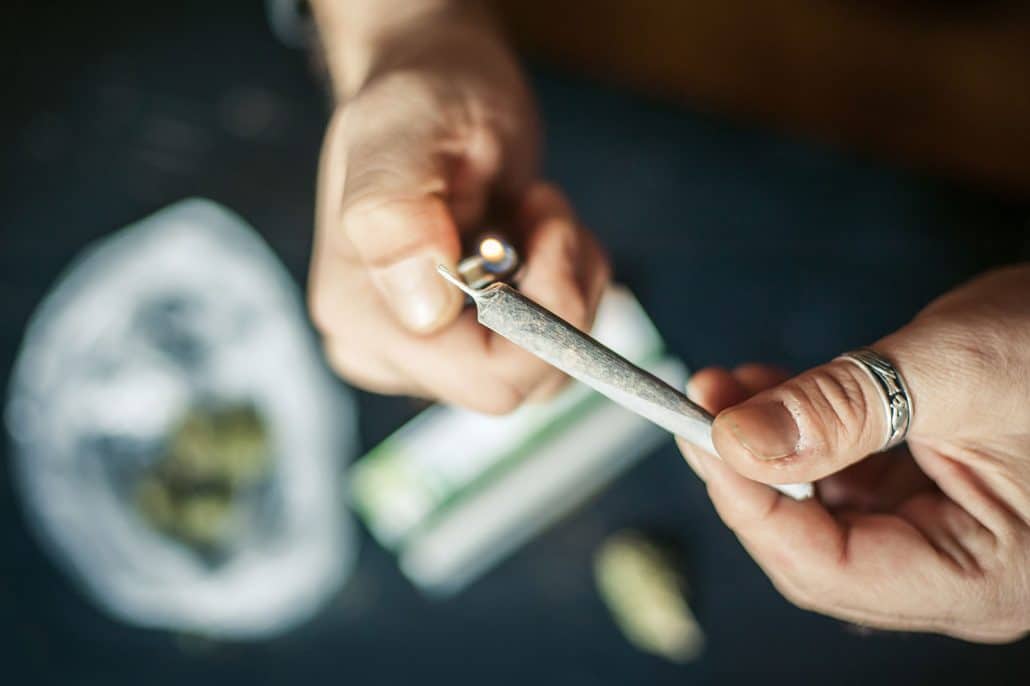
What Drugs Can Weed Be Laced With?
Several psychoactive and hallucinogenic drugs can be laced in marijuana. In some instances, dangerous materials can even find their way into the weed, posing a considerable risk to your and your loved ones’ health.
Heroin
Heroin is among the potent opioids infrequently mixed with marijuana use. A known depressant, smoking weed laced with heroin, primarily impacts the central nervous system. The individual may exhibit signs like lethargy and relaxation.
However, it doesn’t take much of the painkiller to cause an overdose in teens and adolescents. If they exhibit severe symptoms, such as difficulty breathing, slow heart rate, confusion, or drowsiness after smoking weed with heroin, seek out medical help immediately.
Methamphetamine
Crystal meth is another drug occasionally paired with cannabis. A highly addictive stimulant, methamphetamine can cause powerful side effects, including confusion, delusions, and hallucinations.
PCP or Angel Dust
Known by its street name, “angel dust,” PCP (phencyclidine) is an illegal drug initially developed as an anesthetic. Coming in both powder and liquid form, it’s become one of the most popular substances to be laced in cannabis.
PCP produces dangerously potent hallucinogenic effects and can be deadly at higher doses. Hallucinations, confusion, aggression, suicidal ideation, and reckless behaviors are among the risky side effects of weed and PCP.
Marijuana is sometimes sold already laced with phencyclidine.
Cocaine
Cocaine is sometimes blended in cannabis to achieve an enhanced “high.” Specifically, to get cocaine’s stimulant effects alongside weed’s sedative qualities.
Crack, however, leads to various negative side effects, especially to those unaware of the drug mixture. The person may exhibit signs of paranoia, hallucinations, seizures, abnormal blood pressure, and other health issues.
LSD
LSD is a psychedelic substance. That means it can change how you perceive the world around you. It can affect your thoughts, behaviors, sense of time, and emotions, even at minimal doses.
The drug typically comes in liquid form before being mixed with cannabis.
While generally not considered immediately harmful by itself, LSD can strengthen your cannabinoid receptors to unsafe levels. This could induce a prolonged and intensified high that can result in dangerous scenarios.
Heavy Metals
Although not intentional, cannabis products, including those containing THC, can become contaminated with heavy metals, such as lead, and pesticides.
These instances can be attributed to the farming methods, as marijuana plants have been shown to absorb metallic components of the soil they’re grown on.
Other cases of unusual weed contaminations include fungi and bacteria. Others also report that laundry detergent has been mixed with their weed, which can lead to nausea, sore throat, and breathing issues.
Embalming Fluid
Embalming fluid is another street name for PCP. However, some people use actual embalming fluid with their weed to achieve certain psychoactive effects they couldn’t otherwise.
Fentanyl
Fentanyl is among the most dangerous substances to be mixed with weed because of its potency. This synthetic opioid is 50 times stronger than heroin and 100 times stronger than morphine.
Small doses of the opioid can be deadly. A measly 2 milligrams of the substance is enough to be lethal and result in a fentanyl overdose, especially among adolescents.
If you think you or anyone is overdosing from smoking fentanyl-laced weed, promptly call 911. Administer naloxone if available, and keep the person awake and on their side while waiting for help.

What Makes Laced Weed Dangerous?
Smoking laced weed is dangerous because of its unknown factors that may increase the chances of overdose and other health emergencies.
The effects of laced weed can be unpredictable. These wildly fluctuating side effects can vary depending on the drugs used, ranging from minor symptoms to life-threatening reactions.
One particular risk is the substance’s potency and dosage. No two people have identical tolerance to drugs. What’s tolerable in one person could be deadly for another, especially with drugs like fentanyl, heroin, and cocaine.
People with unknown allergies should also consider checking for laced weed. Allergic reactions to unfamiliar drugs can lead to adverse effects.
Treatment Options For Cannabis Addiction
You can use testing kits, but the risk of weed lacing remains substantial as long as you continue using the psychoactive drug. So, unless for medical purposes, the only guaranteed way is to stop smoking cannabis altogether.
Substance use disorder (SUD) can develop from chronic cannabis use. Frequent and heavy marijuana smoking can result in your body developing tolerance, dependence, and, ultimately, cannabis use disorder (CUD).
If your marijuana use becomes uncontrollable to the point that it affects your social life, career, and relationships, you could be dealing with addiction.
Fortunately, like other forms of drug addiction, effective treatment is available. Addiction treatment centers provide comprehensive treatment programs to help you recover.
Recovery centers typically begin with expert-guided detox to eliminate the substance from your system and manage withdrawal symptoms safely. From there, a combination of cognitive and behavioral therapies, alongside peer support systems, is provided to prevent relapse.
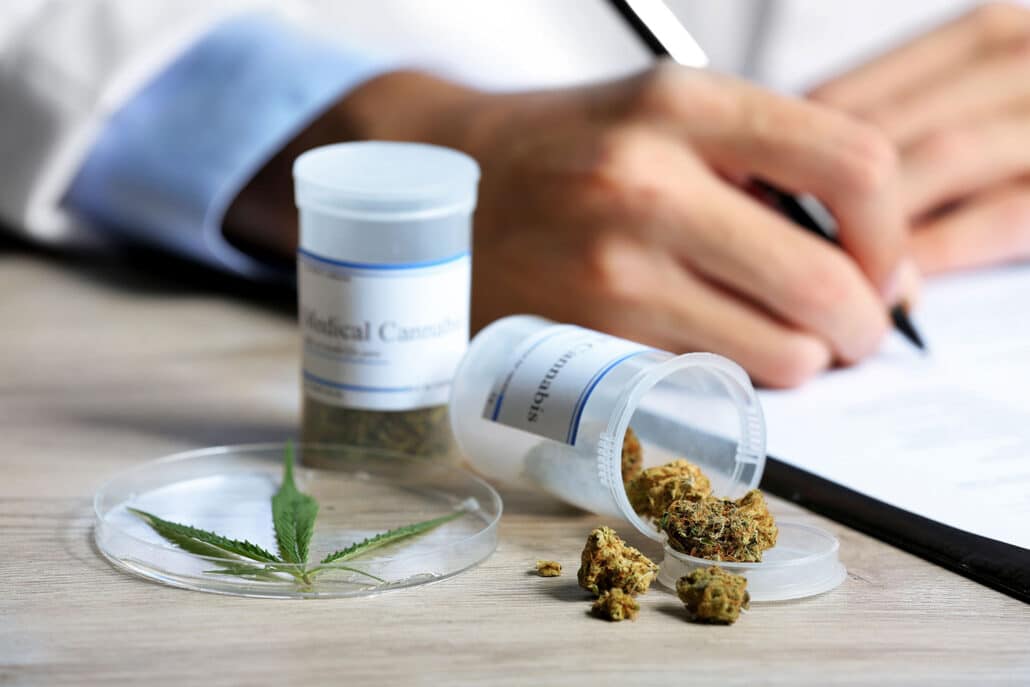
Bottom Line: Overcoming Marijuana Addiction
Substance abuse, whether with weed or other drugs, comes with significant dangers, not only for you, but also for your loved ones.
If you think your marijuana use is interfering with your life, it may be time to consider looking for professional help.
Reach out to Long Island Interventions and get expert care and support to overcome substance abuse and chronic marijuana use today!
Written by: The Long Island Interventions Editorial Team
Published on: August 27, 2025
Updated on: May 1, 2026