The Drug Enforcement Administration (DEA) categorizes drugs, substances, and chemicals into five categories called “schedules.” These classifications define a drug’s medical use and risk of dependency and abuse.
Schedule I drugs, for instance, consist of substances with no or few medical applications outside recreational use, but they are highly addictive and destructive, such as heroin and cocaine.
On the other hand, Schedule V drugs are low-risk drugs that are mainly used for medicinal purposes, including antidiarrheal and cough meds with minimal codeine content.
That said, it’s not uncommon to hear terms like “hard” drugs or “soft” drugs in conversations of substance use disorder (SUD). However, while these colloquial labels are simple enough to understand, they can be misleading due to their lack of clear criteria.
What are hard drugs? How are they any different from soft drugs? Knowing which is which could be crucial in protecting your or your loved ones’ health. Below, we’ll explain what hard drugs are, their characteristics, and potential health risks.

What Are Hard Drugs?
Every substance you put in your system carries certain hazards. Some drugs, however, could be more dangerous than others.
Hard drugs are generally substances that have a higher risk of abuse or are addictive. These are usually drugs with no or little medical applications because of the health issues associated with them.
Often, hard drugs carry significant adverse consequences to both physical and mental health. Thus, many people look at a substance’s potential for physical dependence, addiction, mental health disorders, withdrawal symptoms, and overdose for it to qualify for the label.
Thus, most of the drugs that are considered “hard” are heavily regulated by the Food and Drug Administration (FDA) or are explicitly illegal by law.
What Constitutes Hard Drugs and Why Are They Dangerous?
Hard substances can be classified as a type of drugs that profoundly alter brain chemistry. They hijack your central nervous system’s reward system by directly stimulating the release of dopamine, the “feel-good” hormone.
Under normal circumstances, pleasurable activities, such as eating and exercising, cause the brain to produce regular amounts of dopamine. This natural response supports and reinforces behaviors we need to survive.
However, psychoactive drugs, in particular hard drugs, set off a disproportionate response, flooding the brain with dopamine. This induces intense feelings of euphoria, which ultimately desensitizes the brain to natural rewards, kicking off the cycle of drug abuse.
Physical and psychological dependence typically develops rapidly when someone misuses hard drugs. Long-term use causes their body to become used to working with the substance in their system, resulting in an uncontrollable urge to use drugs or cravings.
The person may experience uncomfortable withdrawal symptoms when reducing or ceasing to take the substance. Side effects like sleeping troubles, headaches, nausea, restlessness, and agitation are common among recovering SUD patients.
Changes in behavior, overall mood, and cognitive function are similarly observed with hard drug use. They may start having problems with work or school, show signs of health issues, neglect their appearance, or become increasingly antisocial.
Over time, they could suffer short-term or lasting physical and mental health consequences, including overdose, organ damage, respiratory issues, heart problems, depressive disorders, and other serious health issues.
If you think you or your loved ones are experiencing an overdose, promptly call 911 and wait for medical support. Administer naloxone if available, and keep the person awake until help arrives.
Common Examples of Hard Drugs
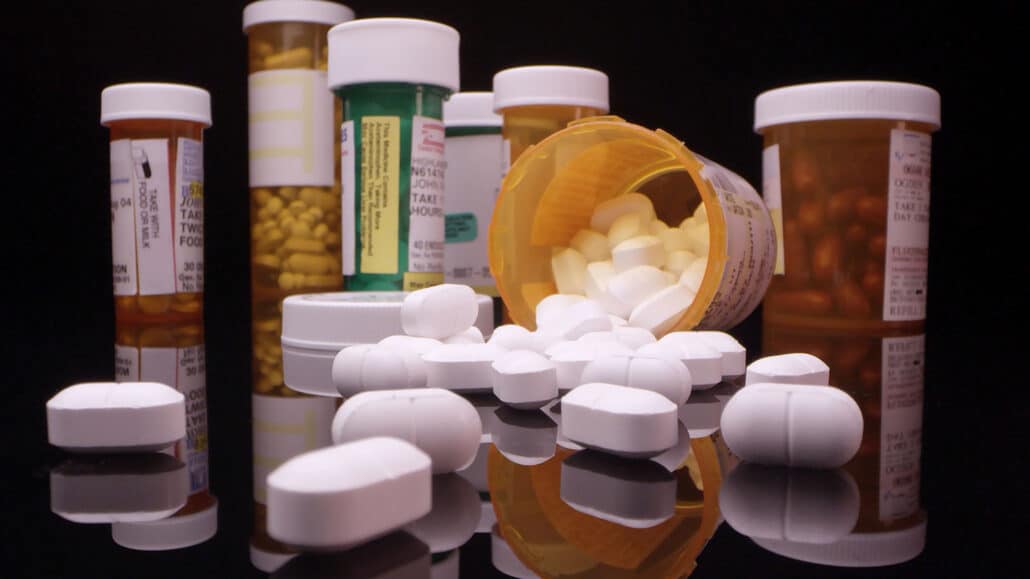
Several substances fall under the “hard drug” category. Examples of these potent and toxic substances include, but are not limited to, the following.
Heroin
Made from morphine, heroin is a depressant drug that is highly addictive. It primarily affects the central nervous system, slowing down brain functions and other biological processes.
Heroin is classified as a Schedule I drug because of the dangers associated with using it. As a potent depressant, it can slow the breathing and heart rate, and drop blood pressure and body temperature to unsafe levels.
Ingesting high doses of heroin can result in unconsciousness and coma. Using the substance with other depressants also increases the risk of fatal overdose.
Fentanyl
Fentanyl is among the most lethal drugs. A synthetic opioid, it’s many times stronger than heroin and a hundred times more powerful than morphine. As little as two milligrams of the substance can be deadly.
Although an approved prescription drug for pain relief, street-manufactured variants of fentanyl are distributed in illegal markets. Coming in liquid and powder forms, these illicit fentanyl products are involved in many overdose incidents.
MDMA or Ecstasy
While not as addictive as heroin or fentanyl, MDMA or ecstasy induces dependence on the person using it. Sometimes used alongside ketamine, the drug works similarly to meth and directly affects your brain’s neurotransmitters.
Classified as an illegal Schedule I substance, ecstasy has been known to cause hallucinations and severe psychosis with a single dose.
Methamphetamine
Also called speed, uppers, and crystal meth, methamphetamine is a synthetic stimulant that produces intense highs. People who take meth experience high levels of energy and less need for sleep.
However, the substance brings considerable health risks. With repeated and chronic use, the person may develop brain impairments affecting memory and motor skills.
Prescription Opioids
Healthcare professionals sometimes prescribe opioid painkillers like oxycodone and hydrocodone to alleviate moderate to severe pain in patients.
These drugs are highly addictive and can result in SUD when misused. Many cases of drug addiction start with these prescription medications.
Benzodiazepines
Benzodiazepines are drugs used to treat general anxiety disorders (GAD). Medications like Xanax, Valium, and Klonopin are common examples of such drugs.
This type of drug works by slowing down brain activity. But they can be highly addictive and harmful when used outside expert supervision. Cases of memory loss, confusion, and overdose have been reported due to benzodiazepine addiction.
Cocaine
Derived from the leaves of the coca plant, cocaine or crack is a stimulant that targets the body’s nervous system, speeding up the brain’s processes. Individuals who snort cocaine may experience brief feelings of euphoria, confidence, and exhilaration.
In high doses, crack can make someone paranoid, aggressive, and violent. Beyond mood changes, it also increases the risk of a heart attack, kidney failure, and stroke.
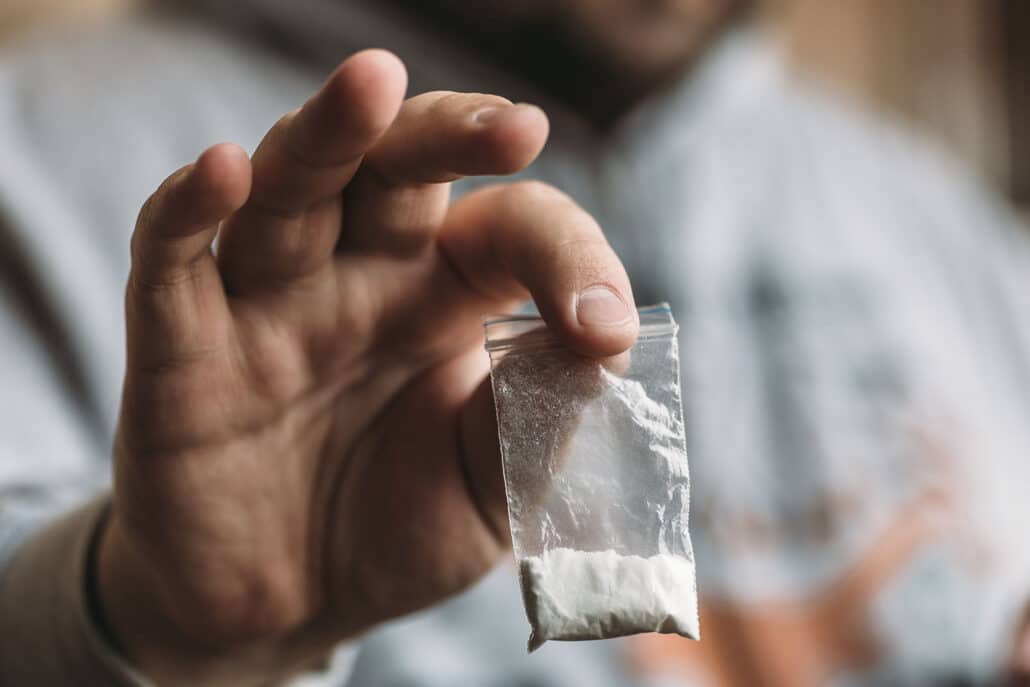
Hard Drugs vs Soft Drugs: What Is the Difference?
Soft drugs are generally considered less hazardous to health. Unlike hard drugs, they’re often legal to use and don’t pose as much physical or mental health risk to their users. Cannabis or marijuana is commonly cited as a soft drug.
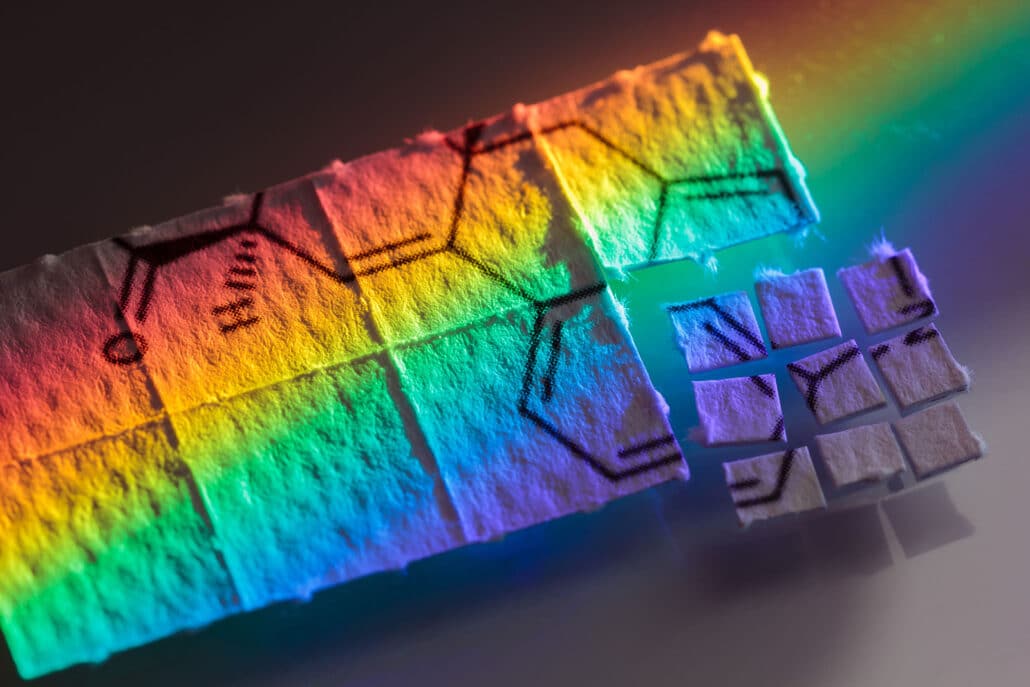
Psychedelics and hallucinogens like psilocybin or magic mushrooms, LSD, and dimethyltryptamine (DMT), while widely debated, typically fall under the “soft” category. Alcohol, nicotine, and sedatives are classified similarly.
However, it’s worth noting that although these drugs are perceived as less addictive or harmful, they’re not necessarily safe for everyone.
Cannabis, for one, has been documented to impact memory function for heavy smokers. Likewise, psychedelic shrooms, in some rare cases, can cause hallucinogen-induced persistent perception disorder.
Alcohol and nicotine are attributed to liver disease, heart illnesses, and various cancers. Cognitive impairments like difficulty thinking, speaking, understanding, and remembering are also observed in people suffering from sedative dependence.
Treatment For Hard Drug Addiction
Addiction and dependence involving hard drugs require evidence-based treatment plans and medication-assisted treatment (MAT).
Addiction treatment centers typically begin with a detox to eliminate the substance from the recovering patient’s system.
They may provide prescription drugs, like buprenorphine, methadone, and naltrexone, to help safely manage withdrawal symptoms. But it’s usually the individual’s choice whether or not to incorporate drugs in their recovery.
Behavioral therapy and counseling are given to identify and address triggers and toxic thought patterns causing the drug use. Peer support groups serve as a therapeutic and safe space to socialize with other people going through similar health conditions.
Depending on severity, treatment can be either inpatient or outpatient. Inpatient programs offer 24/7 care while you detox, while outpatient rehab is a flexible alternative.

Bottom Line: Seeking Help to Overcome Drug Abuse
Whether hard or soft drugs, substance use disorder can bring many potential consequences, including illnesses, overdose, and death. It also impacts your relationships and overall quality of life as the substance alters your thinking and behavior.
If you or anyone you know is struggling with addiction, Long Island Interventions offers expert, personalized, and humane services to help you conquer SUD once and for all. Reach out to us and get your life back on track today!
Written by: The Long Island Interventions Editorial Team
Published on: August 27, 2025
Updated on: August 20, 2026