
When you’re prescribed an antibiotic, you might wonder if it’s safe to mix alcohol with it.
Some are told to avoid drinking altogether (which is sound advice). Others hear that a bottle or two is fine.
The more important question is, “How long should I wait to drink alcohol after taking antibiotics?”
Below, we explain the answer to that, plus how alcohol affects different types of antibiotics and the potential side effects to be aware of.
Can You Take Alcohol With Antibiotics?
Our recommendation? It’s best to avoid it.
Mixing alcohol and antibiotics doesn’t always cause a dangerous interaction. But in certain cases, it absolutely can.
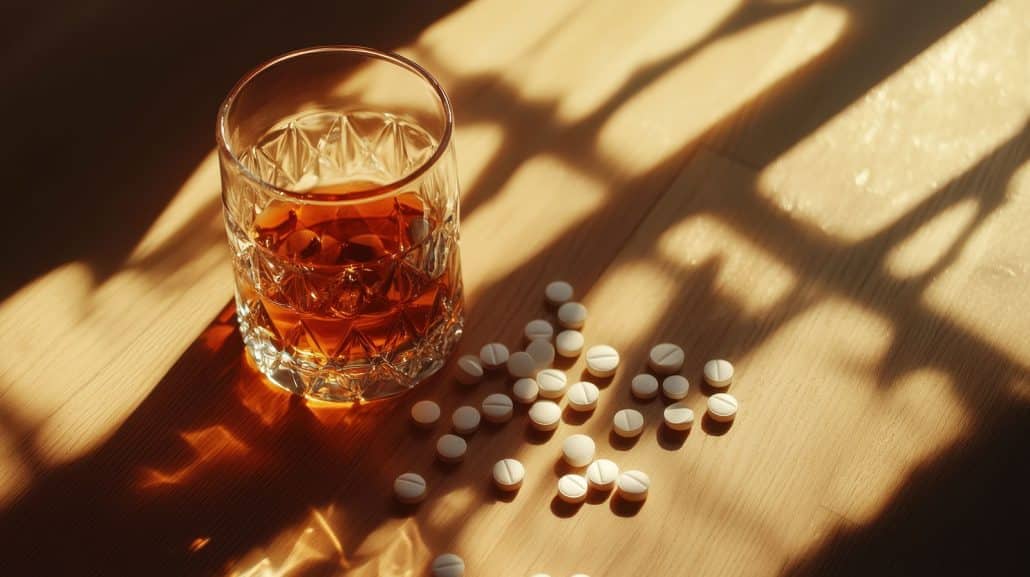
Some combinations can lead to serious side effects. That’s why some prescription bottles come with labels like “Avoid alcoholic beverages” or similar warnings.
Here are some common antibiotics that can cause severe reactions when combined with alcohol:
- Metronidazole
- Tinidazole
- Linezolid (especially with tap/craft beer, red wine, and sherry)
- Sulfamethoxazole/Trimethoprim
- Cefotetan
- Isoniazid
These antibiotics can trigger a disulfiram-like reaction. That condition comes from disulfiram, a drug used to treat alcoholism by making you feel sick if you drink. Think fast-onset hangover.
Some antibiotics can cause this exact reaction. It comes on pretty quickly, often within 30 minutes of alcohol consumption.
Even small amounts, like those found in cough syrup or mouthwash, can be enough to cause symptoms.
Watch for signs like:
- Throbbing headache
- Vertigo
- Nausea and vomiting
- Sweating
- Flushing (redness of the face, ears, neck, and sometimes the entire body)
- Rapid heart rate
- Stomach cramps
If you think you’re having a disulfiram reaction, stop drinking immediately and contact your healthcare provider.
But even when no direct drug interactions occur, drinking alcohol can:
- Increase your risk of common antibiotic side effects like diarrhea, dizziness, or stomachache.
- Lower your body’s ability to fight infection by weakening your immune response.
- Worsen certain health conditions like liver disease or high blood pressure.
If in doubt, ask your healthcare provider whether alcohol is okay with your prescription. Also, let your doctor or pharmacist know if you’re a heavy drinker before starting your antibiotic treatment.

When Is It Safe to Drink Alcohol After Taking Antibiotics?
Generally, it’s safest to wait for 48–72 hours after your last dose before having any alcohol. That gives your body time to fully clear the medication and lower the risk of drug interactions.
Here’s a quick reference for specific antibiotics that are known to have alcohol interactions:
| Antibiotic | Wait Time After Final Dose |
| Metronidazole (Flagyl) | 72 hours |
| Tinidazole (Tindamax) | 72 hours |
| Sulfamethoxazole/Trimethoprim (Bactrim) | 72 hours |
| Cefotetan | 72 hours |
| Doxycycline | 48 hours |
If you’re in any of these, completely avoid drinking alcohol during the full course of antibiotics.
Still feeling off a few days after finishing your meds? That’s not unusual; everyone metabolizes medications differently. Just wait a bit longer before you drink.
Alcohol Interactions With Specific Antibiotics
Some antibiotics (like amoxicillin and other penicillins) allow for moderate alcohol use during or after completing treatment.
Others should never be mixed with alcohol in any form. Below are the ones you need to be careful with:
1. Metronidazole and Tinidazole
Metronidazole treats vaginal, gastrointestinal, and skin infections. Mixing it with alcohol can cause symptoms like:
- Nausea and vomiting
- Severe headache
- Rapid heart rate
- Flushing
- Stomach pain
Tinidazole, an anti-protozoan used to treat bacterial vaginosis, has similar effects.
2. Linezolid
Used to treat bacterial pneumonia and skin infections, linezolid can interact with alcohol due to its MAOI (monoamine oxidase inhibitor) effects. For those with high blood pressure, this is especially risky.
Drinking while taking linezolid can:
- Spike blood pressure
- Trigger severe reactions with tyramine-rich foods or drinks (like aged cheeses, wine, and all types of tap beer)
- Lead to serotonin syndrome when combined with other medications
Avoid alcohol during treatment and for 24 hours afterward.
3. Isoniazid
Isoniazid is an anti-tuberculosis drug taken for 6–9 months, either to treat active TB or prevent it in high-risk individuals. It requires serious precautions when it comes to alcohol.
Isoniazid is often used with the antibiotics rifampicin and pyrazinamide. These medications are all processed by the liver, as is alcohol.
A well-known alcohol interaction is the increased risk of liver injury. Signs of liver injury include:
- Jaundice (yellowing of the skin or eyes)
- Dark urine
- Pale stool
- Persistent nausea or vomiting
- Itching
- Loss of appetite
- Pain or discomfort in the upper right side of your abdomen
- Fatigue or weakness
There’s no safe amount of alcohol to drink when you’re on isoniazid. That said, avoid alcohol the whole course of your TB treatment, and check in with your doctor before drinking again.

4. Sulfamethoxazole/Trimethoprim (Bactrim)
Bactrim is an effective treatment for various conditions, like urinary tract infections, chronic bronchitis, and traveler’s diarrhea.
Its potential side effects include cough, fatigue, and chest pain. Drinking alcohol while on Bactrim can make these side effects much worse.
A more serious risk is a disulfiram-like reaction. Bactrim can prevent your body from properly breaking down alcohol, causing a toxic byproduct to build up.
The reaction can start as quickly as five minutes after drinking and can get more severe the more you drink.
Plus, both Bactrim and alcohol are processed by the liver. To avoid toxicity and liver damage, skip the alcohol entirely.
5. Erythromycin
Erythromycin is commonly prescribed for skin, respiratory, and sexually transmitted infections.
Decreased antibiotic effectiveness is noted when mixing alcohol with it. That’s because alcohol delays erythromycin’s onset of action, giving time for bacteria to multiply. For faster recovery, abstain from alcohol if you can.
Alcohol also intensifies erythromycin’s side effects, especially those related to the gut, such as:
- Nausea
- Vomiting
- Abdominal pain
- Diarrhea
A higher risk of liver toxicity is another adverse reaction to consider. If you drink often or have a pre-existing liver condition, steer clear of alcohol.
6. Cefotetan
Another antibiotic that can cause a disulfiram-like reaction is cefotetan. The same is true for other cephalosporins, such as cefamandole, cefoperazone, and cefmetazole.
Cefotetan is given to treat bacterial infections of the skin, bones, and joints, as well as the respiratory and urinary tracts. Side effects may be severe, so allow your body to heal fully before drinking.
7. Doxycycline
A widely prescribed tetracycline antibiotic, doxycycline treats common bacterial infections of the skin (severe acne) and the respiratory tract (pneumonia and bronchitis).
It’s also prescribed for malaria, Lyme disease, cholera, and tuleremia. For people with penicillin allergy, doxycycline is a potent alternative.
Drinking on doxycycline isn’t known to cause dangerous interactions. That said, alcohol can make it less effective.
Chronic alcohol use can cause your liver to break down the doxycycline too quickly. That means the medicine doesn’t stay in your body long enough to be fully effective against your infection.
If you’re a regular drinker, your doctor may put you on a higher daily dose of doxycycline.
What Are the Effects of Alcohol on the Body During a Bacterial Infection?
Drinking alcohol while your body is fighting an infection can harm you, even if you’re not taking antibiotics. It’s well-documented how alcohol affects the body.
You need a strongimmune system to fight off bacteria. Alcohol interferes with that by:
- Suppressing white blood cell production
- Making it harder for your body to detect and destroy harmful bacteria
- Increasing inflammation, which can worsen your symptoms
As a result, your infection could take longer to clear up, or worsen.
There’s also the issue of dehydration. Alcohol is a diuretic, meaning it increases fluid loss. That’s a problem because infections often cause fevers, sweating, or vomiting, all of which are dehydrating.
Additionally, dehydration can make you feel worse. It can cause headaches, dizziness, and fatigue, on top of the symptoms you already have.
When Drinking Alcohol Might Be Especially Risky
Drinking is particularly risky if you:
- Have high blood pressure
- Take other prescription drugs
- Have a history of mental health or substance use disorders
- Are recovering from a serious infection
In these cases, even moderate alcohol use could interfere with your recovery.
What If You Only Had a Small Amount of Alcohol?
A couple of drinks may not cause a major issue with some prescribed antibiotics. But with antibiotics like metronidazole and tinidazole, even trace amounts of alcohol can cause unpleasant side effects.
If you accidentally had a drink while on antibiotics, avoid any more alcohol and make sure to finish your full course of medication. If you start experiencing severe symptoms, go to the ER or call emergency services ASAP.

Final Thoughts: Better Safe Than Sorry
Mixing antibiotics and alcohol is rarely a good idea. Alcohol can either increase the side effects, lower the drug’s effectiveness, or do both at the same time.
Even if a specific antibiotic doesn’t have a direct or dangerous interaction with alcohol, drinking can still weaken your immune system.
To give your body the best shot at healing, skip the alcoholic beverages during an infection.
If your alcohol habit is getting in the way of your recovery from infections, it may be time to seek professional help.
Long Island Interventions offers compassionate, personalized treatment for individuals struggling with alcohol use. Call us today to learn more about our programs.
Additional Sources:
- https://www.ncbi.nlm.nih.gov/books/NBK459340
- https://www.goodrx.com/linezolid/interactions
- https://www.drugs.com/food-interactions/isoniazid-pyrazinamide-rifampin.html
- https://pubmed.ncbi.nlm.nih.gov/3905336
- https://www.niaaa.nih.gov/alcohols-effects-health/alcohols-effects-body
Written by: The Long Island Interventions Editorial Team
Published on: August 27, 2025
Updated on: April 30, 2026