Psychedelic mushrooms are a controversial topic, but many people seek them out to experience an altered state of consciousness. Shrooms have been used in some cultures for thousands of years, and the potential benefits and risks of using mushrooms continue to be important conversations today.
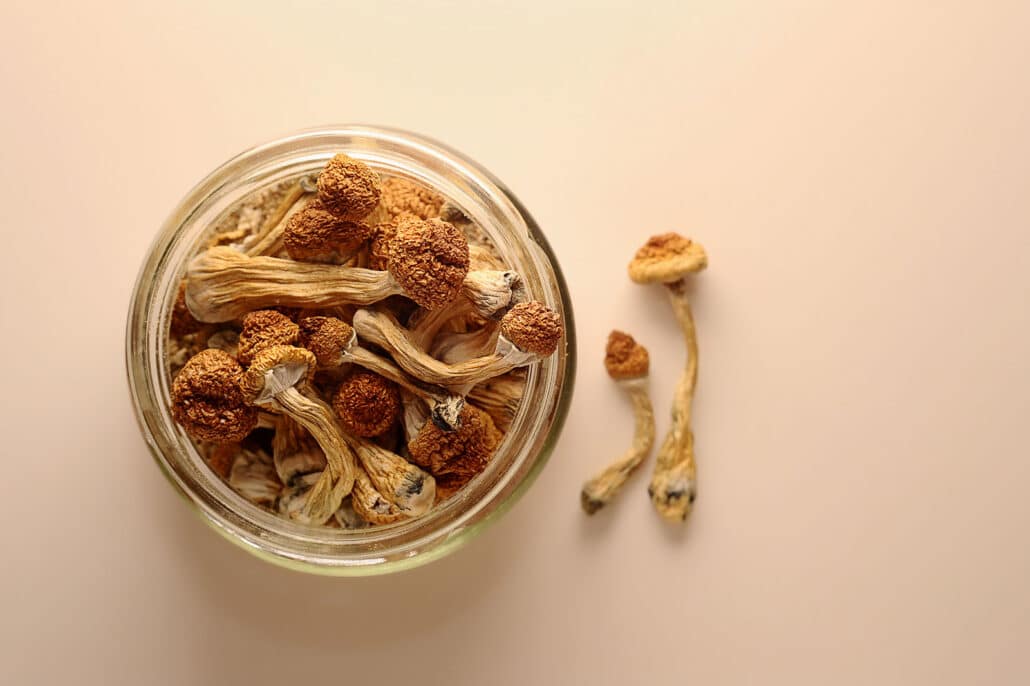
If you’re considering taking mushrooms, it’s vital that you understand how they work and how long they last. Taking any psychoactive substance without being fully informed on what to expect can have dangerous consequences for both your mental and physical health. Knowing how long shrooms take to kick in is particularly important because it helps you plan for a safe and comfortable trip. Unfortunately, there is no straightforward answer to this question. However, knowing the factors that affect the onset and length of a mushroom trip can help you prepare as effectively as possible.
Understanding Psilocybin Mushrooms
Psilocybin mushrooms are also known as psychedelic mushrooms, magic mushrooms, or shrooms. When ingested and processed by your body, psilocybin produces psilocin, a compound that activates certain serotonin receptors in your brain. This leads to a number of psychoactive effects, including hallucinations, altered perceptions, and a distorted sense of time. Psilocybin mushrooms can also increase your introspection, so some users report gaining a new understanding of themselves and their life experiences during their trip.
Psilocybin mushrooms grow naturally and have been used throughout history for religious and spiritual purposes. In some cultures, magic mushrooms are used regularly for rituals and ceremonies. Some research suggests that taking mushrooms under the guidance of a healthcare professional can be beneficial for people struggling with anxiety, depression, or substance use disorders. There are always risks to taking psychoactive substances, though, especially when not taking them under medical supervision.
Factors Influencing Onset Time
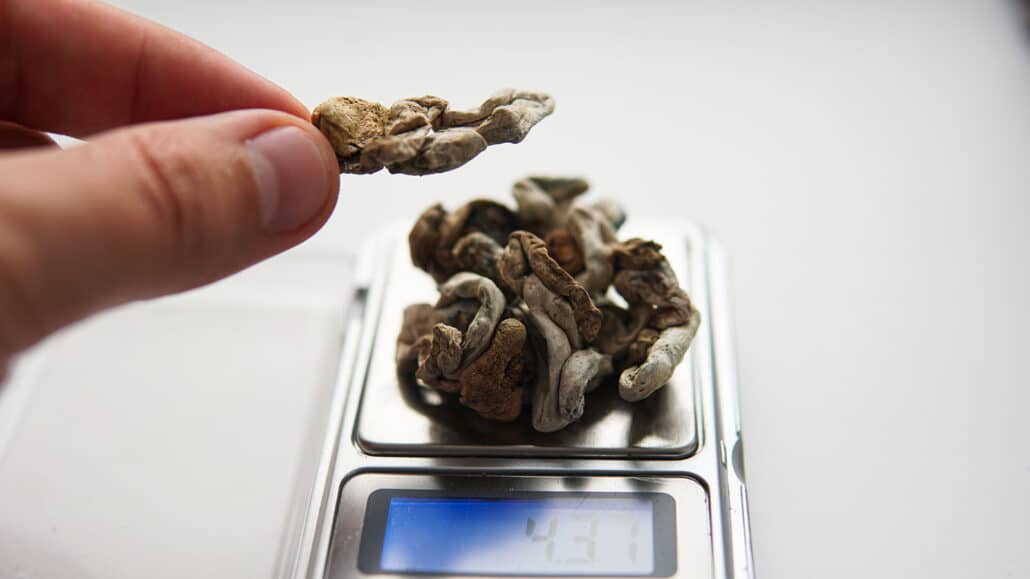
The effects of psychedelic mushrooms usually start to set in within 20 minutes to an hour of taking them. You might experience a faster or slower onset depending on several factors, though. The following are some key factors that may affect how quickly the mushrooms hit your system:
Dosage
A higher dose of shrooms typically means a faster onset and a more powerful peak experience. Lower doses will usually take longer to kick in and hit their peak. However, this does not mean you should take a high dose just to feel the effects faster. Taking too large of a dose can make your experience uncomfortable or even dangerous. It’s normal to feel impatient when waiting for the mushrooms to kick in, but it’s better to wait for the effects to start than to take an extra dose due to impatience.
Body Weight and Metabolism
Your weight and metabolism may slightly affect your experience with psychedelic mushrooms. If you have a fast metabolism, your body will process the shrooms more quickly, so the trip will kick in sooner. Your weight can play a small role as well. Those with a higher body weight may feel a more gradual onset and a less intense peak than those at a lower weight.
Stomach Contents
The content of your stomach is one of the most important factors when predicting the onset time of a shroom trip. When taking shrooms on an empty stomach, your body will process the substance faster. Your entire trip may be shorter and more powerful because your digestive system is focusing all of its energy on processing the mushrooms.
Mushrooms eaten on a full stomach will take longer to kick in. Your body is digesting your food alongside the shrooms, so the psychoactive compounds will enter your system more gradually. You may also find that the trip takes longer to peak when you eat mushrooms on a full stomach. It’s generally recommended that you eat shortly before or while you take shrooms because you’ll achieve a longer and more gradual trip experience. Most people lose their appetite while on mushrooms, too, so eating beforehand will help to protect your health.
Method of Consumption
Users consume mushrooms in many different ways. One of the simplest ways is to eat the mushrooms raw. You can consume them on their own or chop them up and mix them in with your food. When you eat mushrooms along with other food, the onset may take longer.
Because the taste of raw mushrooms can be very unpleasant, many users opt instead for dried mushrooms mixed into food or made into tea. Dried mushrooms are more highly concentrated, so they may hit your system faster. The effects can set in especially quickly when you consume mushroom tea.
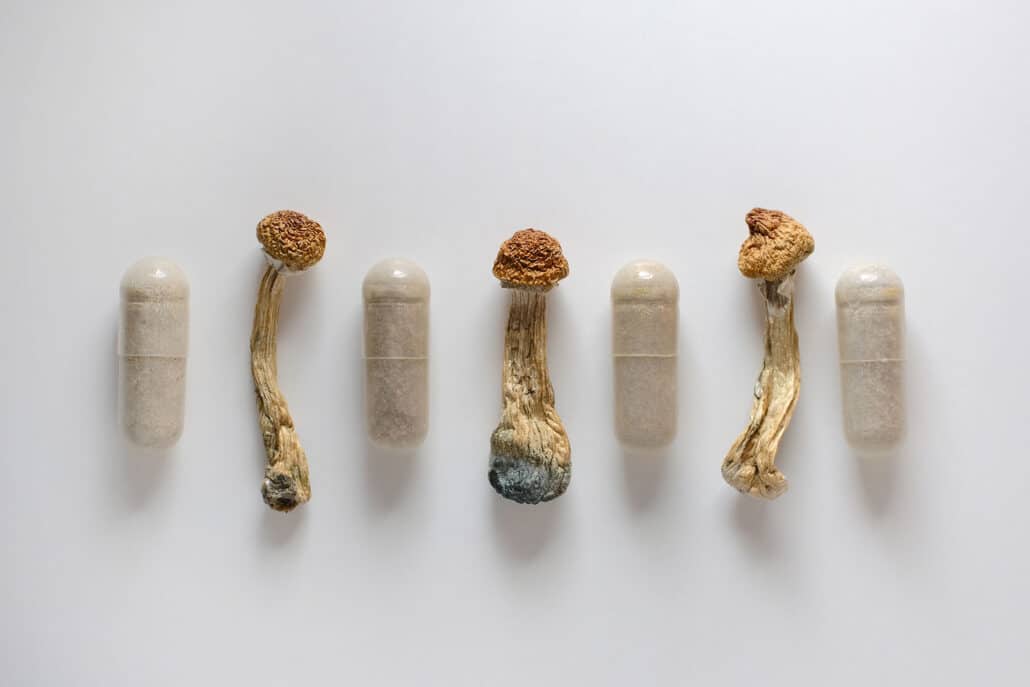
Some users also put powdered mushrooms into gel capsules, which allows them to fine-tune the dosage. Like mushroom teas, capsules can hit your system very quickly, especially if you take them on an empty stomach.
Stages of a Shroom Trip
A mushroom trip occurs in several stages. The length of each stage can vary depending on the size of the dose, your metabolism, what you’ve eaten, and other factors. The following are the three main stages and what users can expect from each:
Onset
The onset of a psychedelic shroom trip occurs when the compounds start to take effect on your brain. During the onset, you’ll start to feel the first changes in your mood and perception. The changes will be subtle at the onset, but they’ll grow into a more intense experience. Most people feel the onset of the trip between 20 minutes to an hour after taking mushrooms. The onset sometimes takes longer to kick in, though, so patience is key.
Peak
After the onset, the effects gradually increase in intensity until they reach their peak. The trip usually hits its peak within one to three hours of taking the shrooms, and the peak itself typically lasts about an hour. During the peak, you may experience hallucinations and lose your sense of time. Some users also become very introspective, emotional, and sensitive. After the peak, these effects continue with less intensity for around two to four hours.
Comedown
The comedown occurs as the mushrooms leave your system and you slowly return to your baseline. As the effects of the trip wear off, you can process your experience. On average, an entire shroom trip from beginning to end lasts about six hours. You may feel an enhanced sense of well-being for a few days after taking mushrooms.
Table: Stages of a Magic Mushroom Trip
| Stage | Timeframe | Description | Factors Influencing Onset |
| Onset | 20 minutes to 1 hour | The first changes in mood and perception start, usually subtle but growing more intense. Onset can be faster on an empty stomach or with mushroom tea. | Dosage, body weight, metabolism, stomach contents, method of consumption. |
| Peak | 1 to 3 hours after ingestion, lasting about 1 hour | The effects reach their highest intensity, including hallucinations, introspection, and time distortion. The peak is typically reached within 1 to 3 hours after ingestion and lasts about an hour. | Dose size and body chemistry, with faster peaks from tea or capsules. |
| Comedown | 2 to 4 hours after peak, total trip ~6 hours | The effects begin to subside gradually. Users may experience a sense of well-being for days after. The total trip length is usually around 6 hours. | Total trip length depends on the individual and dosage, with slower come-downs from higher doses. |
Safety Precautions When Taking Mushrooms
Safety is the most important consideration when taking any drug. There are always risks when using a psychoactive substance, but you can take precautions to reduce your risk of a bad trip. First, you should know exactly what you’re taking and how much you’re taking. Don’t accept mushrooms from someone you don’t know or trust, and don’t take an unknown dose. You should always feel fully in control and aware of what you’re taking. If you’re taking mushrooms for the first time, start with a low dose. Also, you should never mix psychedelic mushrooms with other drugs.
A mushroom trip makes you emotionally vulnerable. To have a safe experience, you should take them in a comfortable and familiar environment. If you feel unsafe or uncomfortable before taking mushrooms, the trip may only amplify those negative feelings. It’s also helpful to take shrooms in the presence of a trusted, sober friend who will look out for your safety.

Side Effects of Magic Mushrooms
Magic mushrooms, containing the active compound psilocybin, can induce a range of psychological and physiological effects. While some individuals seek these mushrooms for their psychoactive properties, it’s essential to be aware of potential side effects:
Psychological Effects
- Hallucinations: Altered perceptions, including visual or auditory distortions.
- Altered Sense of Time: Feeling that time is passing slower or faster than usual.
- Mood Changes: Experiencing euphoria, introspection, or, conversely, anxiety and paranoia.
Physiological Effects
- Nausea and Vomiting: Especially common during the onset of effects.
- Increased Heart Rate and Blood Pressure: Elevated cardiovascular responses.
- Dilated Pupils: Enlargement of the black portion of the eyes.
Potential Risks
- Bad Trips: Overwhelming negative experiences characterized by intense fear or distress.
- Psychological Distress: Potential exacerbation of underlying mental health conditions.
- Impaired Judgment: Leading to risky behaviors or accidents.
It’s crucial to approach the use of magic mushrooms with caution due to these potential side effects and risks. If you or someone you know is considering or has used magic mushrooms and is experiencing adverse effects, seeking professional medical advice is recommended.
Risks of Taking Shrooms
Although many people enjoy taking shrooms and report positive effects, you must be aware of the risks. For instance, there are legal considerations to keep in mind if you’re thinking about taking mushrooms. The legal status of psilocybin mushrooms varies by location. Mushrooms are decriminalized in some cities, and their supervised non-medical use is legal in Oregon and Colorado. However, shrooms are federally classified in the United States as a Schedule 1 drug, and their sale, possession, and use are still illegal under federal law.

Psychedelic mushrooms can have health risks, too. Some users experience uncomfortable physical side effects, especially around the onset of the trip. These effects include nausea, vomiting, increased heart rate, and high blood pressure. You could also experience anxiety, panic attacks, confusion, and intrusive thoughts. This is why it’s so important to take mushrooms in a comfortable environment and when you’re in a calm, centered state of mind. If you have a history of mental health issues, particularly psychosis, you should be extremely cautious of taking mushrooms without professional supervision.
Knowing what to expect from a mushroom trip increases your chances of having a positive experience. Shrooms typically kick in within an hour of consuming them, and the entire trip lasts around six hours. Your experience may vary based on your individual circumstances, though.
How Long Do Shrooms Stay in Your System?
Understanding how long psilocybin remains detectable in your body is important for several reasons, including employment drug screening, legal considerations, and general health awareness. While the psychoactive effects of magic mushrooms typically last around six hours, the compounds can remain detectable in your system for varying lengths of time depending on the type of test used.
Metabolism of Psilocybin and Psilocin
When you consume psilocybin mushrooms, your body rapidly converts psilocybin into psilocin, the active compound responsible for the psychoactive effects. Psilocin interacts with serotonin receptors in your brain, creating the hallucinogenic experience. Your liver then metabolizes psilocin, breaking it down so your body can eliminate it through urine. The half-life of psilocin is relatively short—approximately one to three hours—meaning your body eliminates half of the substance within this timeframe.
Despite this rapid metabolism, drug tests can detect psilocybin or its metabolites for different periods depending on the testing method used.
Detection Windows by Test Type
Different drug testing methods have varying detection windows for psilocybin and psilocin. Here’s what you need to know about each type:
Urine Tests
Urine tests are the most common form of drug screening, but they have a relatively short detection window for psilocybin. Standard urine tests can typically detect psilocin for 1 to 3 days after use. However, for heavy or chronic users, detection may be possible for up to a week. It’s important to note that psilocybin is not included in standard five-panel or ten-panel drug tests, so specialized testing would be required to detect mushroom use.
Blood Tests
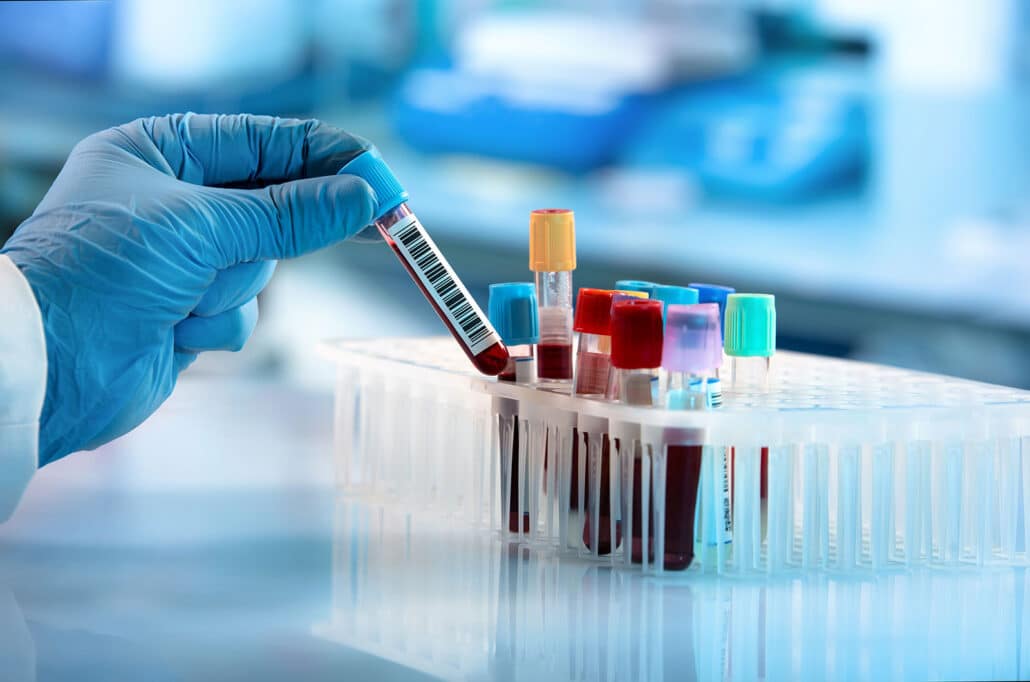
Blood tests have the shortest detection window for psilocybin. Because psilocin is metabolized quickly, blood tests can typically only detect the substance for up to 24 hours after consumption. Blood tests are rarely used for psilocybin screening due to this short window and the invasive nature of the test. They are primarily used in forensic toxicological cases or emergency medical situations.
Saliva Tests
Saliva tests are becoming more common for drug screening, but research on psilocybin detection in saliva is limited. Based on available data, saliva tests may detect psilocybin for 1 to 3 days after use, similar to urine tests. However, saliva testing for psilocybin is uncommon in standard drug screening protocols.
Hair Follicle Tests
Hair follicle tests have the longest detection window of any drug testing method. These tests can potentially detect psilocybin use for up to 90 days after consumption, as drug metabolites become incorporated into hair strands as they grow. However, hair follicle testing for psilocybin is extremely rare due to the specialized nature and cost of such testing. Hair tests are typically reserved for forensic investigations or situations requiring long-term drug use history.
Factors Affecting Detection Time
Several factors can influence how long psilocybin remains detectable in your system:
- Dosage: Higher doses take longer for your body to fully eliminate
- Frequency of Use: Regular users may have longer detection windows than first-time users
- Body Weight and Composition: Higher body fat percentage may extend detection time
- Metabolism: Faster metabolisms eliminate substances more quickly
- Hydration: Proper hydration can affect urinary elimination rates
- Liver and Kidney Function: These organs process and eliminate psilocybin metabolites
Standard Drug Tests and Psilocybin
An important fact to understand is that psilocybin is classified as a Schedule I substance under federal law, but it is not typically included in standard drug screening panels. The common five-panel test screens for marijuana, cocaine, amphetamines, opiates, and PCP. Even extended ten-panel tests do not usually include psilocybin.
Specialized testing would be required to detect psilocybin or psilocin, and such tests are generally only ordered when there is specific suspicion of mushroom use. This specialized testing has forensic toxicological relevance in legal cases but is uncommon in routine employment or probation screening.

Drug Testing Table
| Test Type | Detection Window | Common Usage | Notes |
|---|---|---|---|
| Urine Test | 1-3 days (up to 7 days for heavy users) | Most common for employment and legal screening | Not included in standard panels; requires specialized test |
| Blood Test | Up to 24 hours | Emergency medical situations, forensic cases | Short window due to rapid metabolism; invasive procedure |
| Saliva Test | 1-3 days (limited research) | Emerging screening method | Uncommon for psilocybin; limited detection data available |
| Hair Follicle Test | Up to 90 days | Long-term drug use investigations | Extremely rare for psilocybin; expensive and specialized |
Legal Considerations
The legal status of psilocybin mushrooms varies significantly by location. While some cities have decriminalized possession, and states like Oregon and Colorado have legalized supervised therapeutic use, psilocybin remains a Schedule I controlled substance under federal law. This classification means that possession, sale, and use are illegal at the federal level, regardless of local or state policies.
Understanding detection windows becomes particularly important if you’re subject to drug testing for employment, probation, or other legal requirements. If you have concerns about drug testing, it’s advisable to consult with a legal professional or medical advisor familiar with your specific situation.
Conclusion
All psychoactive substances can be abused, and all can put your health and safety at risk. Long Island Interventions supports individuals struggling with substance use disorders. If you or a loved one is experiencing addiction, call us today to learn more about our services.
FAQ
How long do shrooms take to hit on a full stomach?
Should you take shrooms on an empty stomach?
How long does it take for shrooms to kick in?
Written by: The Long Island Interventions Editorial Team
Published on: January 27, 2024
Updated on: February 7, 2026